Reggio Calabria Hidden Gems: Discover the Soul of Southern Italy
Explore the hidden gems of Reggio Calabria, Italy’s southernmost coastal city. A travel guide full of secret spots, authentic food, ancient art, and stunning sea views. Includes interactive map and travel tips.
Introduction: A Journey to the Edge of Italy
It was a warm July morning when I stepped off the train in Reggio Calabria, the very tip of Italy’s boot. The Mediterranean shimmered under the southern sun, and the air smelled faintly of salt and citrus. I had heard whispers of this city—its beauty, its secrets, its silence. Now, I was here to discover it for myself.
Located directly across from Sicily, Reggio Calabria is often overlooked by tourists who rush to better-known destinations. But this city, with its blend of ancient history, coastal charm, and vibrant local culture, quickly became one of the most memorable places I’ve visited.
In this guide, I’ll walk you through the lesser-known treasures of Reggio Calabria—places that surprised and inspired me. From panoramic sea views to spicy Calabrian cuisine, this city is ready to win your heart.
A note on links: some of the booking links in this article are affiliate links. If you book through them, I earn a small commission at no additional cost to you. Reggio is a city you can see perfectly well on your own, and I say below which of these are worth paying for and which are not.
Why Visit Reggio Calabria?
Reggio Calabria is one of the oldest cities in Italy, founded in the 8th century BC by Greek settlers who named it Rhegion. As a former Greek colony and later a Roman stronghold, its streets are filled with stories of ancient times. But it is also a city of resilience, rebuilt after devastating earthquakes, and now standing proudly as a symbol of southern beauty.
Its location is unbeatable: perched on the edge of the Italian peninsula, it offers crystal-clear views of Mount Etna and the Sicilian coast across the Strait of Messina. Reggio is also a cultural hub of Calabria, home to world-class museums, vibrant street life, and a culinary tradition deeply rooted in the Mediterranean.
If you’re searching for an authentic Italian experience off the beaten path, Reggio Calabria is calling.
Hidden Gems in Reggio Calabria You Shouldn’t Miss
1. The Falcomatà Promenade – Italy’s Most Beautiful Kilometer
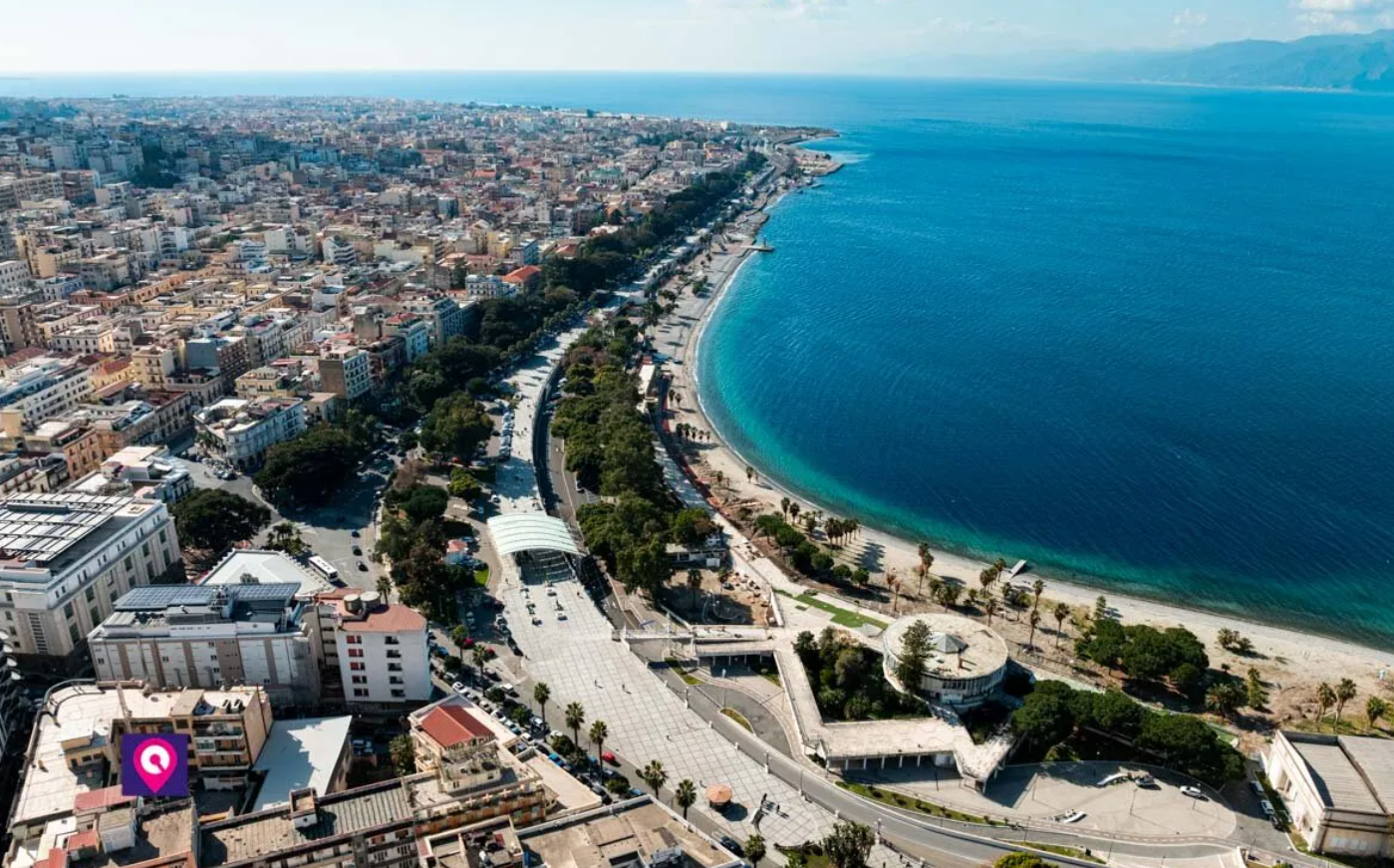
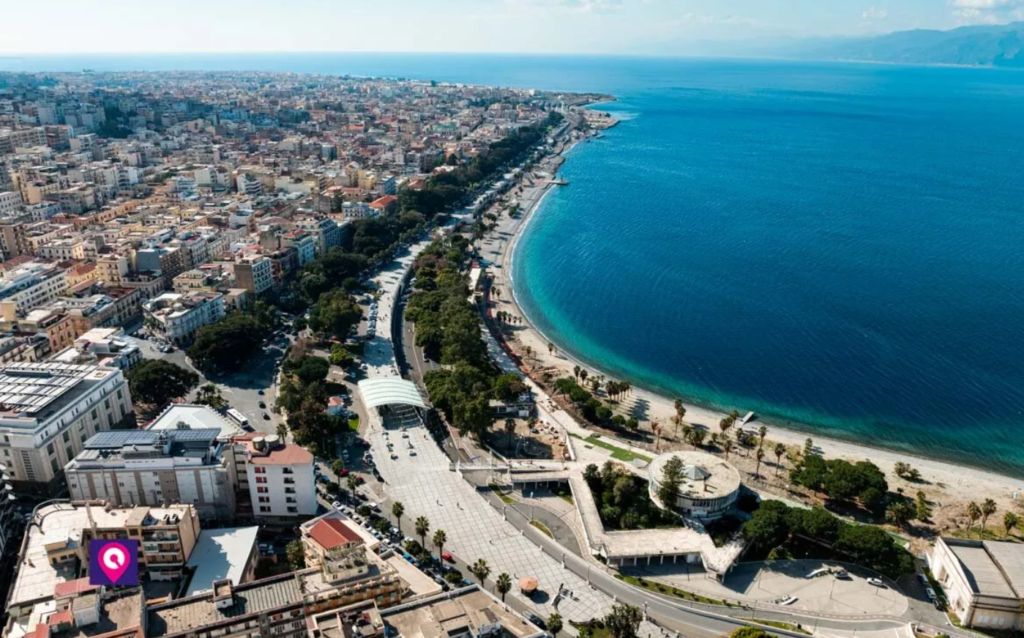
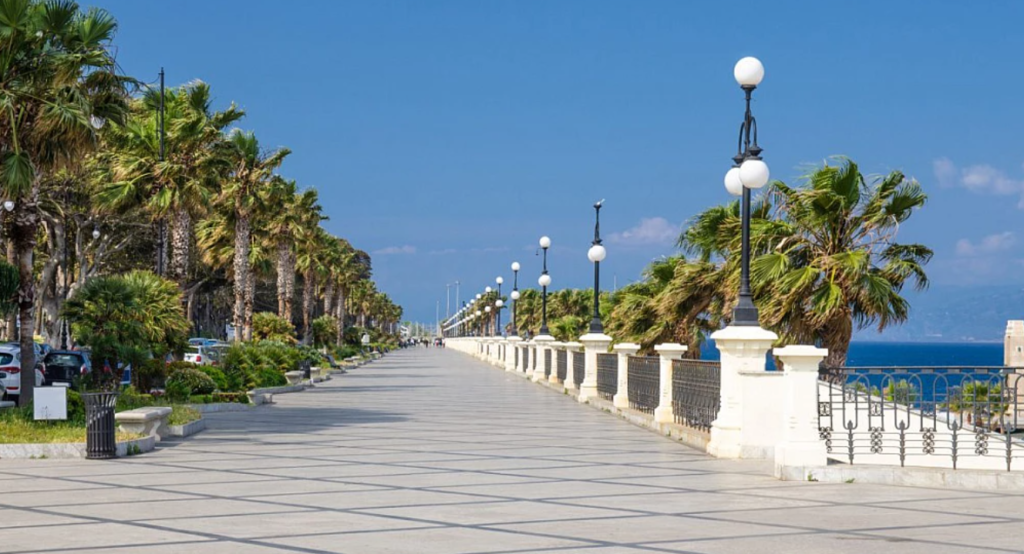
Nicknamed “the most beautiful kilometer in Italy” by poet Gabriele D’Annunzio, the Falcomatà promenade is Reggio’s crown jewel. This wide, palm-lined boulevard hugs the coast, offering panoramic views of the sea and Sicily beyond.
Stroll here at sunrise to catch the light dancing on the water, or at sunset when the city glows with golden hues. You’ll pass Liberty-style villas, street performers, and families enjoying the evening air.
GPS: 38.1102, 15.6535
2. National Archaeological Museum & The Riace Bronzes
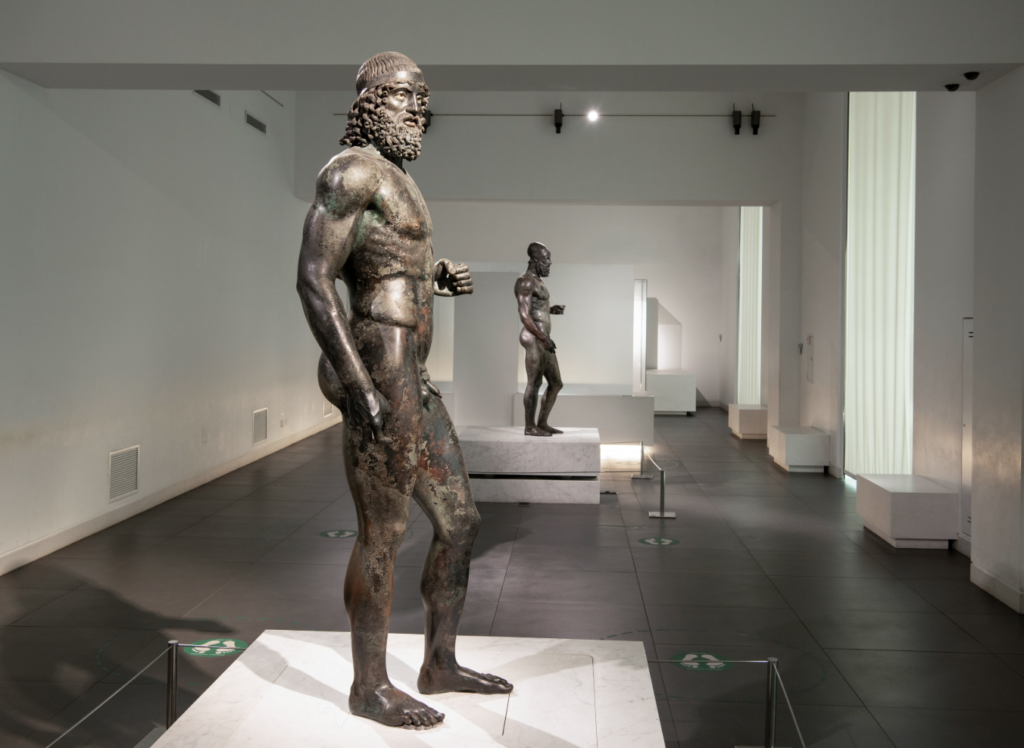
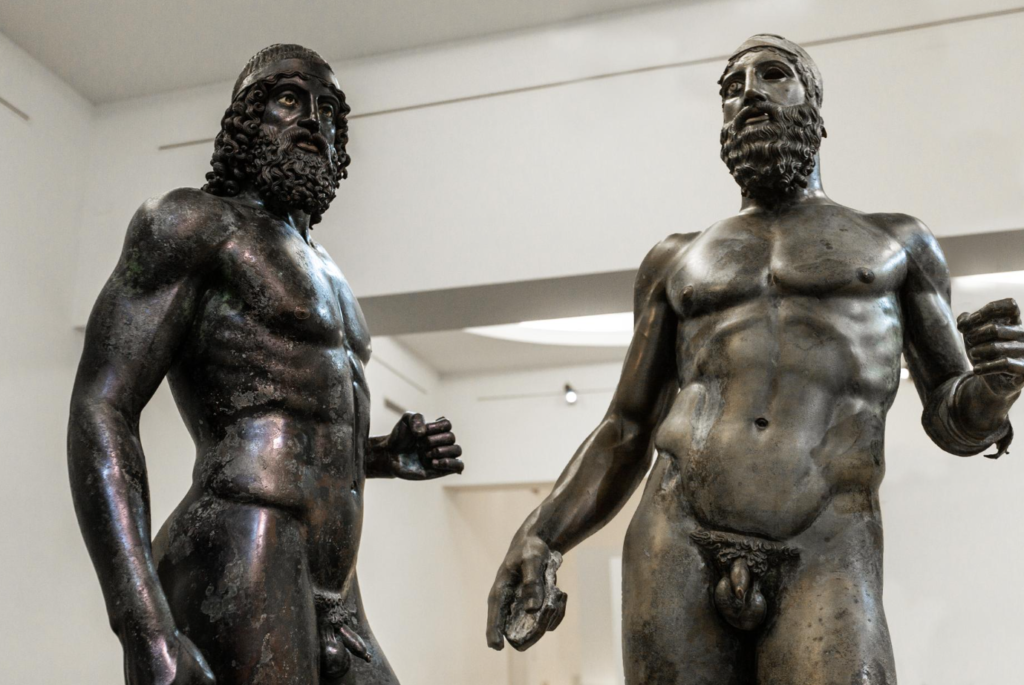
This world-class museum is home to the famous Riace Bronzes, two ancient Greek statues found in the sea in 1972. Dating back to the 5th century BC, these lifelike warriors are masterpieces of classical art.
The museum also hosts an incredible collection of artifacts from Magna Graecia—southern Italy’s Greek heritage.
Location: Piazza Giuseppe De Nava
3. Villa Zerbi – Art and Architecture in Harmony
Just off the promenade, Villa Zerbi is a gorgeous example of early 20th-century architecture. Its blend of Baroque and Liberty styles creates an elegant backdrop for rotating art exhibitions and cultural events.
GPS: 38.1108, 15.6528
4. Aragonese Castle
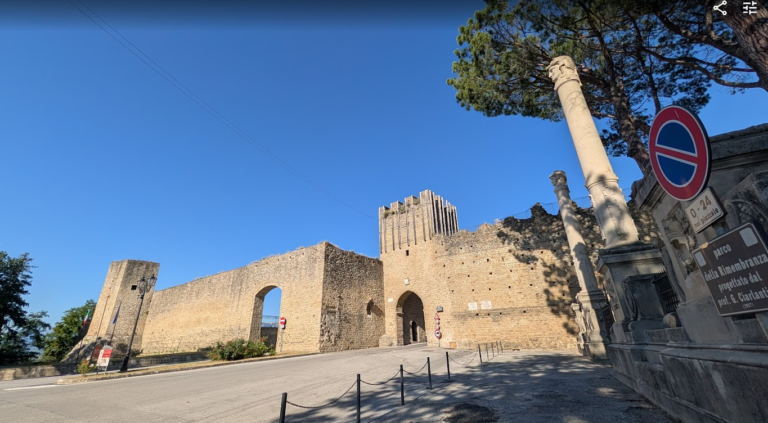
Standing tall in the city center, the Aragonese Castle is a silent guardian of Reggio’s past. Built in the 15th century, it has survived earthquakes and wars. Climb to the top for sweeping views and a sense of the city’s layered history.
Location: Piazza Castello
The Aragonese Castle, a formidable structure located in the heart of Reggio Calabria, offers a glimpse into the city’s rich historical tapestry. Constructed in the 15th century, this fortress has withstood the test of time, enduring both natural disasters and conflict. A visit to its heights not only rewards guests with panoramic views of the surrounding landscape but also imparts a profound appreciation for the city’s evolving narrative. Thus, it stands as a testament to Reggio’s resilience and enduring legacy.
5. The Grand Staircase and Dolphin Fountain
Linking the promenade to the upper city, this marble staircase is both functional and beautiful. The Dolphin Fountain at its base adds a touch of charm, and the steps offer a great spot to pause and enjoy the view.
Location: Between Via Marina Alta and Corso Vittorio Emanuele III
One-Day Walking Itinerary: Reggio by Foot
Morning — Start early with a stroll along the Falcomatà Promenade. Stop for a coffee granita and brioche at a local café. Next, visit the National Archaeological Museum. The Riace Bronzes are the stars, but the entire collection deserves your attention, and the Locri material on the lower floors is what most visitors walk past on their way to the two famous statues. If you would rather have the context supplied, a guided city tour that pairs the museum with the promenade covers the same ground in about three hours and ends with a bergamot tasting on Corso Garibaldi.
Midday — Head uphill to Aragonese Castle. After exploring, walk down to Villa Zerbi and admire the architecture. For lunch, try a trattoria on Corso Garibaldi. Order fileja pasta with ‘nduja, swordfish rolls, and a glass of Cirò white wine.
Afternoon — Wander through artisan shops or relax at a shaded piazza. Don’t miss a scoop of bergamot gelato!
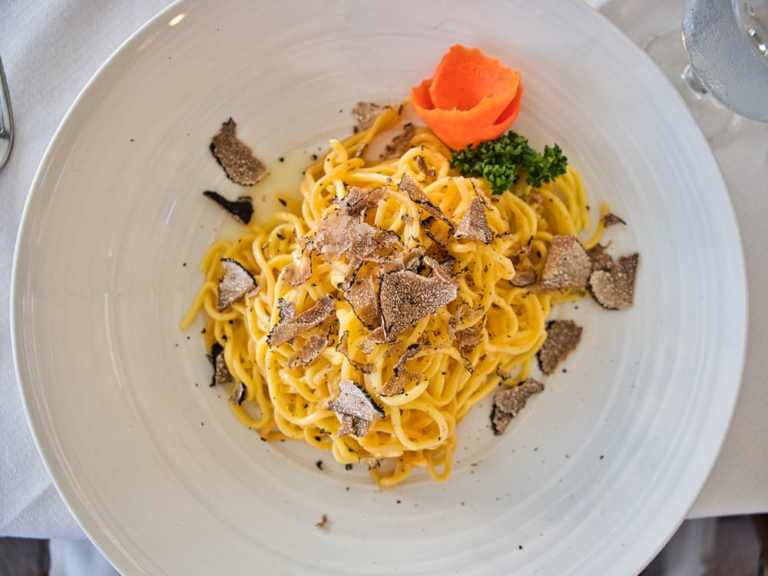
Evening — Return to the promenade at sunset. Enjoy aperitivo at a sea-view bar, then dine on Calabrian antipasti and tartufo gelato.
Local Flavors: What to Eat in Reggio Calabria
- Bergamot: Unique to this region. Try it in gelato, pastries, or liqueur.
- ‘Nduja: Spicy, spreadable sausage. Perfect with bread or pasta.
- Swordfish: A staple of local seafood.
- Pignolata: Fried pastry balls with lemon and chocolate glaze.
- Granita: Refreshing and light. Try coffee, almond, or lemon.
These are all things you can eat your way through without booking anything. The exception worth considering is a hands-on cooking session with a local home cook: fileja is a shaped pasta that is genuinely difficult to make well, and watching someone roll it around a knitting needle for an afternoon teaches you more about Calabrian cooking than any restaurant meal.
When to Visit Reggio Calabria
- July and August: Hot but lively. Perfect for beach lovers and festivals.
- May–June / September: Ideal weather with fewer crowds.
- Winter: Quiet and atmospheric, but some sites may have limited hours.
How to Get There
- By Train: Direct trains from Naples and Rome.
- By Air: Reggio Calabria Airport (REG) or nearby Lamezia Terme Airport (SUF).
- By Ferry: From Messina, Sicily (20-minute ride).
Where to Stay
- Luxury: Grand Hotel Excelsior
- Boutique: Albanuova Hotel
- Budget: B&B Night and Day
- Local Tip: Stay near the promenade for the best views and accessibility.
Day Trips from Reggio Calabria
- Scilla: A seaside village with mythological roots and stunning beaches.
- Pentedattilo: A ghost town carved into the rock.
- Aspromonte National Park: For hiking and mountain villages.
Booking Notes: What Actually Needs Reserving
Reggio rewards the traveller who arrives without a schedule. The museum takes walk-ups, the promenade is free, and the city is small enough to cross on foot in half an hour. Three things are the exception, and all three are about reaching places the city itself cannot take you.
Pentedattilo. The ghost village is forty-five minutes out and the nearest public transport leaves you eight kilometres short, which is why most people who intend to go never do. A day in the Grecanica area, taking in both Pentedattilo and Bova solves the transport problem and adds the better half of the bargain: Bova, capital of the Greek-speaking Calabrians, where the Griko language is still spoken and the lestopitta is still baked. Going for Pentedattilo alone and skipping Bova is the common mistake.
Scilla. Do not book a tour for this one. The regional train ticket to Scilla costs less than a coffee and a cornetto, takes under forty minutes, and the line runs close enough to the water that you get the Costa Viola and, on a clear day, Etna across the strait. Then walk into Chianalea on your own. A guided day trip to a village of four streets is money spent on someone else’s pace.
Aspromonte. The park needs a car and, above the treeline, someone who knows the trails. A guided trek to the Montalto summit is priced per group rather than per person, which makes it reasonable for three or four and expensive for one. Judge it on that arithmetic before you judge it on the headline price.
What I would skip. The eleven-hour day trips that run down from Tropea, which combine Reggio and Scilla into a single outing. Tropea is 130 kilometres north, and by the time the minibus has covered that distance twice you are left with perhaps two hours in Reggio — enough for the Bronzes and nothing else. If you are based in Tropea and only want to see the statues, take the train and give yourself the whole day. If you are reading this article, you probably want more than the statues anyway.
Final Thoughts
Reggio Calabria is not just a destination—it’s a story. It’s the warmth of a July sunset, the bold flavor of ‘nduja, the stillness of ancient statues, and the joy of discovering a place that feels untouched and alive all at once.
As a Google Local Guide Level 7, with over 7,000,000 views on my photos and reviews, I’ve explored many corners of Italy. But Reggio holds a special place in my heart—and I hope it will for you too.
Share this guide, plan your trip, and let Reggio Calabria surprise you.
Written by Mirco Vitellozzi, a structural engineer from Le Marche who writes about Italy from the inside. More essays at Tastes & Wonders of Italy, and short films on YouTube.