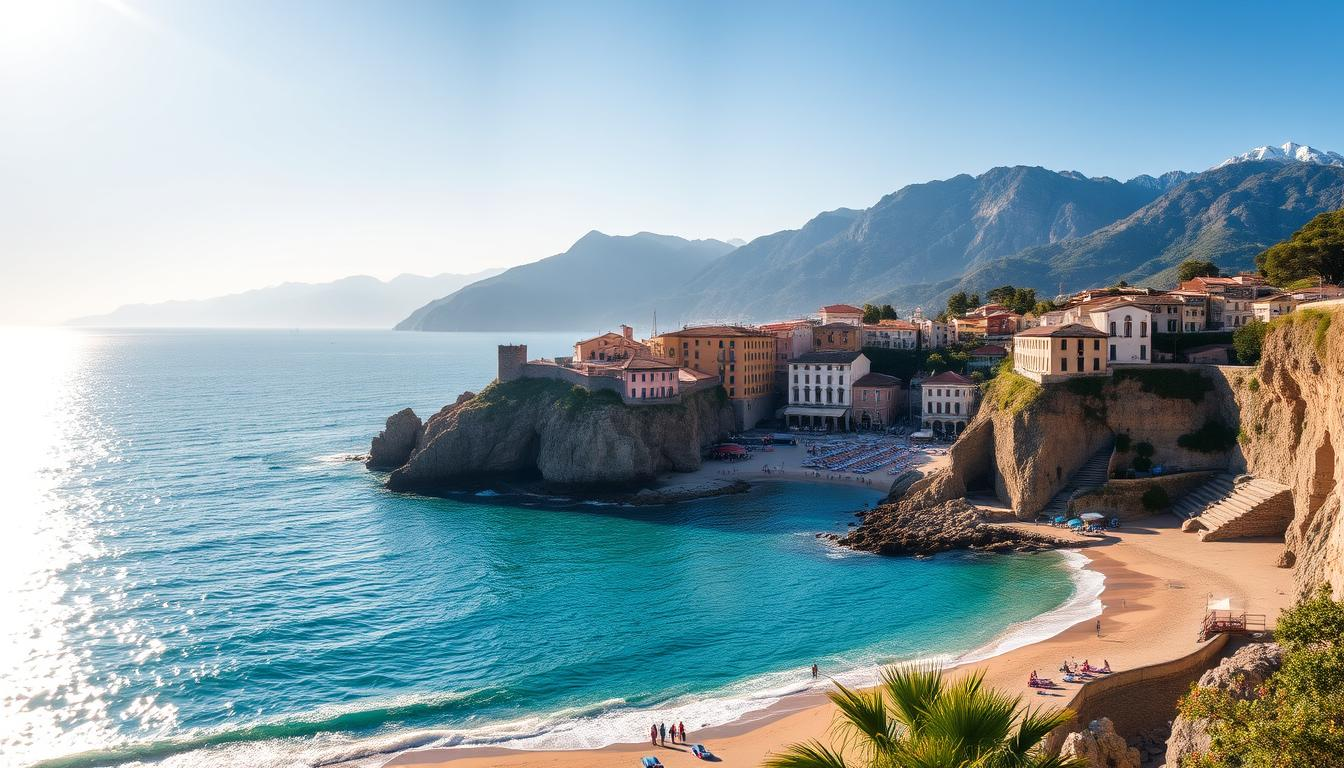
Discover Italy’s Most Beautiful Blue Flag Beaches
https://tastewondersitaly.altervista.org/ –
https://www.youtube.com/@TasteWondersofItaly
Published: July 16, 2025 | Category: Travel | Blog: Tastes & Wonders of Italy URL: https://tastewondersitaly.altervista.org/blue-flag-beaches-italy-2025/
Italy has once again set a new record with 246 Blue Flag locations in 2025, representing over 11% of all Blue Flag beaches worldwide. This prestigious recognition is a testament to the country’s commitment to environmental sustainability and beach quality.
The Blue Flag certification is awarded to beaches that meet rigorous standards for water quality, safety, and environmental management. Italy’s Blue Flag beaches offer a unique blend of natural beauty, crystal-clear waters, and exceptional amenities.
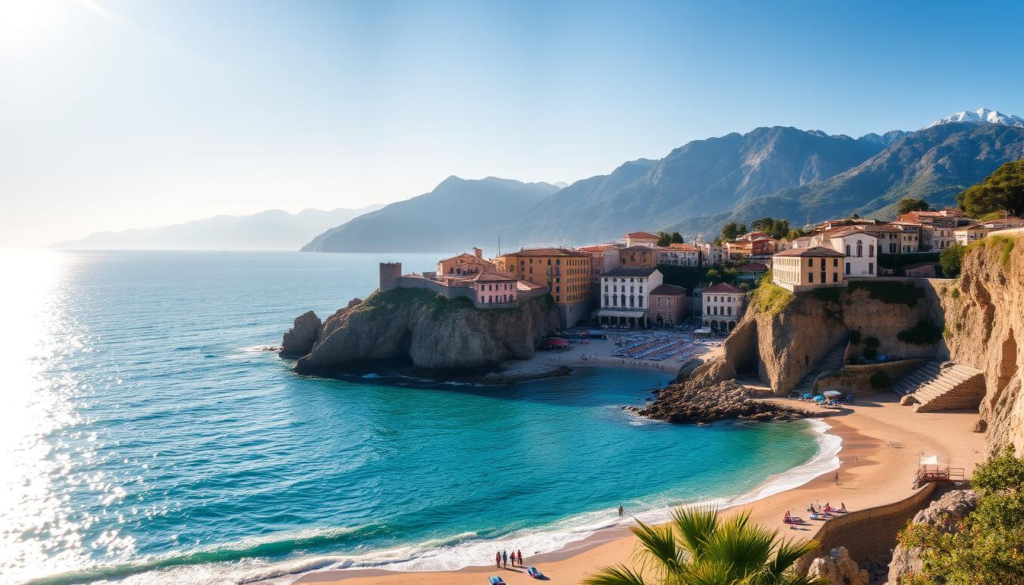
From the emerald waters of Sardinia to the dramatic cliffs of the Amalfi Coast, Italy’s Blue Flag beaches are a must-visit destination for any beach lover.
—
What Makes a Blue Flag Beach Special
Beaches that fly the Blue Flag are distinguished by their commitment to quality and environmental sustainability. The Blue Flag is not just an award; it’s a symbol of a beach’s dedication to maintaining the highest standards in cleanliness, safety, and services.
The Blue Flag Certification Process
The Blue Flag certification is awarded by the Foundation for Environmental Education (FEE) to beaches that meet strict environmental, educational, safety, and accessibility criteria. This prestigious international recognition has been given since 1987 to beaches and marinas that demonstrate a strong commitment to quality.
Environmental and Quality Standards
To qualify for the Blue Flag, beaches must undergo rigorous water quality testing throughout the bathing season. They must also have proper waste disposal systems, recycling facilities, and sustainable practices in place. Additionally, Blue Flag beaches are required to provide adequate safety measures, including lifeguards and first aid facilities, as well as services for people with disabilities.
Key features of Blue Flag beaches include:
- Rigorous water quality testing to ensure safe swimming conditions
- Proper waste management and recycling facilities
- Adequate safety measures, including lifeguards and first aid facilities
- Services for people with disabilities, promoting accessibility
- Environmental education activities to encourage sustainability
—
Italy’s Blue Flag Beaches in 2025: New Additions and Statistics
As the 2025 Blue Flag awards demonstrate, Italy’s commitment to sustainable coastal management is yielding impressive results. The Foundation for Environmental Education has recognized 246 seaside and lakeside locations, along with 84 tourist marinas, marking a significant milestone in Italy’s environmental efforts.
Growth Trends Since 2022
The number of Blue Flag municipalities in Italy has shown a steady increase since 2022. Starting with 210 awarded municipalities in 2022, the count rose to 226 in 2023 and 236 in 2024. In 2025, Italy has achieved an impressive milestone with 246 Blue Flag locations, representing a consistent growth trend and a growing commitment to sustainable coastal management.
Regional Distribution of Blue Flag Beaches
The regional distribution of Blue Flag beaches in Italy highlights certain areas leading the charge. Regions such as Liguria, Puglia, and Campania consistently rank among the highest in terms of the number of Blue Flag beaches. This distribution not only showcases Italy’s diverse coastal environments but also underscores the regional efforts in maintaining high environmental standards.
With a total of 487 Blue Flag beaches, Italy accounts for 11.5% of all Blue Flag beaches worldwide, demonstrating its leadership in coastal environmental quality. The new additions for 2025 include previously overlooked gems that have improved their environmental management and water quality to meet the stringent Blue Flag criteria.
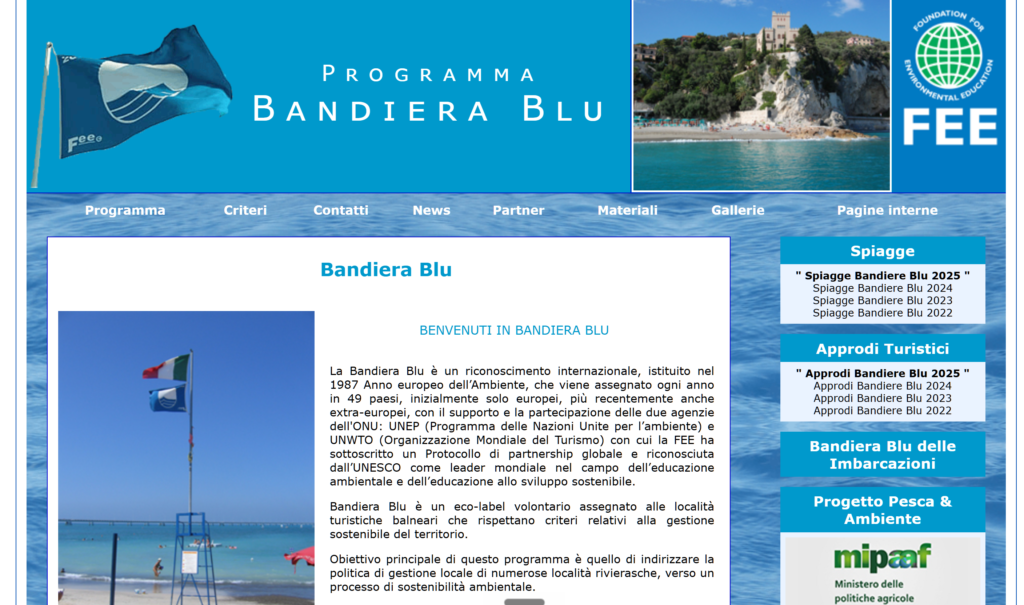
https://www.bandierablu.org/common/index.asp
—
Sardinia’s Award-Winning Coastlines
Sardinia’s award-winning coastlines are a testament to the island’s commitment to preserving its natural beauty. With over 200 beaches, Sardinia offers a diverse range of coastal experiences that cater to all kinds of travelers.
Costa Smeralda’s Emerald Waters
Costa Smeralda, or the Emerald Coast, is renowned for its emerald-green waters and white sandy beaches. Liscia Ruja, one of Costa Smeralda’s longest beaches, is perfect for water sports like snorkeling, kayaking, and paddleboarding in its crystal-clear waters.
Is Aruttas and Its Quartz Pebbles
Is Aruttas beach, located on the Sinis Peninsula, is famous for its unique landscape featuring small, polished quartz pebbles instead of sand. This beach is ideal for those seeking a tranquil atmosphere, away from crowded spots.
Sardinia’s beautiful beaches and coast benefit from the island’s low population density and strict environmental regulations, preserving the natural beauty and water quality.
—
Sicily’s Blue Flag Destinations
Sicily is renowned for its stunning Blue Flag beaches that offer a diverse range of coastal experiences. With nearly 5,000 miles of Italian coastline, Sicily is a top spot for beach lovers. You can find everything from busy town beaches to quiet coves that feel like your own private paradise.
San Vito Lo Capo and Rabbit Beach
San Vito Lo Capo has earned its Blue Flag status through its commitment to maintaining its 3km stretch of powdery white sand and crystal-clear waters, making it one of Sicily’s most photographed beaches. The beach is particularly family-friendly with its gradual slope into the sea and calm waters, while the dramatic backdrop of Monte Monaco creates a stunning visual setting.
Rabbit Beach (Spiaggia dei Conigli) on the island of Lampedusa is consistently rated among Europe’s best beaches and has maintained its Blue Flag status through strict environmental protection measures, including being a protected nesting site for loggerhead sea turtles.
Zingaro Nature Reserve’s Hidden Coves
The Zingaro Nature Reserve, Sicily’s first protected natural area established in 1981, features a series of hidden coves accessible only by foot, preserving their pristine condition and ensuring excellent water quality. These secluded coves within the Zingaro Reserve offer visitors a chance to experience the Mediterranean as it once was, with rich marine biodiversity making them perfect spots for snorkeling and nature observation.
—
Puglia: The Blue Flag Leader
Puglia’s coastline is a treasure trove of Blue Flag beaches, showcasing the region’s dedication to preserving natural beauty. With 18 Blue Flag beaches, Puglia has established itself as one of Italy’s leaders in coastal management and environmental quality.
Salento’s Caribbean-Like Shores
The Salento peninsula, located at the southern tip of Puglia, boasts some of Italy’s most spectacular beaches. Often compared to Caribbean shores, these beaches feature fine white sand and extraordinarily transparent turquoise waters. Marina di Pescoluse, nicknamed “The Maldives of Salento,” is a standout example, with its shallow waters and excellent environmental management earning it a Blue Flag status.
Melendugno’s Crystal Waters
Melendugno is another highlight, with four Blue Flag beaches: San Foca, Torre Sant’Andrea, Torre dell’Orso, and Roca. Each offers distinct coastal landscapes, from sandy shores to dramatic rocky formations. Torre dell’Orso, also known as “Beach of the Two Sisters,” is particularly beloved for its crystal-clear waters and picturesque twin rock formations rising from the sea.
Puglia’s commitment to sustainable beach management includes protecting its coastal dune systems and native vegetation, playing a crucial role in maintaining the ecological balance of its shorelines. This dedication to environmental preservation, combined with its natural beauty, makes Puglia a top destination for beachgoers seeking a pristine and well-managed coastal experience.
—
Tuscany’s Coastal Blue Flag Retreats
Tuscany’s coastline is renowned for its diverse beaches, ranging from pristine natural shores to luxurious resorts. The region is proud of its 19 Blue Flag beaches, known for their high environmental standards and sustainable practices.
Marina di Alberese and Natural Parks
Marina di Alberese stands out as a unique Blue Flag destination within the Maremma Regional Park. The protected status of this beach limits daily visitors, ensuring that its ecosystem remains intact while offering an authentic experience of Mediterranean beaches.
Forte dei Marmi’s Luxury Beach Experience
Forte dei Marmi represents the sophisticated side of Tuscany’s Blue Flag beaches, combining environmental quality with luxury amenities. The beach clubs in Forte dei Marmi have perfected the art of combining sustainability with luxury, offering impeccable service while maintaining strict water quality standards.
Tuscany’s diverse Blue Flag offerings reflect the region’s approach to coastal management, preserving natural areas while allowing for responsible development in designated zones. This balance makes Tuscany a top destination for those seeking both natural beauty and luxury.
—
The Amalfi Coast’s Picturesque Blue Flag Beaches
The Amalfi Coast, a stretch of coastline in southern Italy, is home to six Blue Flag beaches that are a testament to its natural beauty. These beaches not only offer breathtaking scenery but also adhere to high environmental standards.
Positano’s Spiaggia Grande
Positano’s Spiaggia Grande is the most famous beach on the Amalfi Coast, known for its 300-meter stretch of distinctive dark volcanic sand and crystal-clear waters. The beach offers both private areas with rentable sunbeds and umbrellas and free public sections, ensuring accessibility for all visitors.
Atrani and Furore’s Unique Coastal Features
Atrani features a charming Blue Flag beach that’s particularly family-friendly, with easy access and gentle waters. The Fiordo di Furore, another Blue Flag beach, is accessible via a long staircase or by boat and is nestled between towering limestone cliffs, making it a must-see destination.
—
Liguria’s Hidden Blue Flag Gems
Liguria’s dramatic coastline is home to numerous hidden gems that have earned the prestigious Blue Flag status. The region’s commitment to maintaining exceptional environmental standards is evident in its numerous Blue Flag beaches.
Portofino and Santa Margherita Ligure
Portofino is a luxury destination famous for its exclusive beaches and high-end shopping. Its Blue Flag status is a testament to its rigorous water quality management and environmental protection. Santa Margherita Ligure, on the other hand, offers a more relaxed atmosphere with its golden sands and clear waters.
San Fruttuoso’s Secluded Beauty
San Fruttuoso di Camogli is a secluded paradise accessible only by boat or hiking trail. This Blue Flag beach features a 10th-century abbey rising directly from the shoreline, making it a unique destination. The limited accessibility has helped preserve its natural environment, making it an ideal spot for those seeking tranquility.
—
Family-Friendly Blue Flag Beaches in Italy
The Italian coastline boasts an array of Blue Flag beaches suitable for families with children. These beaches offer a perfect blend of safety, amenities, and activities that cater to both kids and adults.

Safe Swimming Spots for Children
Many of Italy’s Blue Flag beaches are renowned for their shallow waters and gradual depth increases, making them ideal for families. Locations like Porto Cesareo in Puglia and Sperlonga in Lazio provide safe environments where children can play while parents relax.
Beaches with Family Amenities
Blue Flag beaches in Italy are well-equipped with family-friendly amenities. For instance, Lido di Camaiore in Tuscany offers showers, bathrooms, and changing rooms, while Lido di Dante on the Emilia-Romagna coast features a playground and skate park. These amenities enhance the overall beach experience for families.
—
Secluded Blue Flag Beaches for Tranquil Getaways
Escape to Italy’s serene Blue Flag beaches, away from the crowds. Italy offers numerous secluded beaches that combine pristine environments with peaceful atmospheres, making them ideal for a tranquil getaway.
Cala Luna and Cala Goloritzé in Sardinia
Cala Luna, a crescent-shaped beautiful beach in Sardinia, is accessible only by boat or hiking trail, preserving its pristine condition. The crystal-clear waters are perfect for swimming and snorkeling, surrounded by dramatic limestone cliffs. Cala Goloritzé, a UNESCO World Heritage site, limits visitors to 250 daily and offers a peaceful experience for €7, supporting conservation efforts.
Lesser-Known Coastal Treasures
Beyond Sardinia, Italy’s 4,700 miles of coastline hide numerous Blue Flag coves and beaches. Regions like Marche, Abruzzo, and Basilicata offer fine sand beaches and crystal waters without the crowds. These secluded spots embody the Blue Flag program’s goals: pristine environments where visitors can enjoy nature while supporting conservation through responsible tourism.
—
Water Activities at Italy’s Blue Flag Beaches
With crystal-clear waters and pristine shores, Italy’s Blue Flag beaches offer a paradise for water activities. The Blue Flag certification guarantees that these beaches maintain the highest environmental standards, making them perfect for a wide range of water sports.
Snorkeling and Diving Hotspots
Italy is home to numerous snorkeling and diving hotspots, particularly around its Blue Flag beaches. Locations like Isola dei Conigli in Lampedusa and the protected marine areas around Portofino offer exceptional water clarity and abundant marine life, making them ideal for underwater exploration.
Windsurfing and Sailing Destinations
The reliable Mistral winds at Porto Pollo in Sardinia create perfect conditions for windsurfing and kitesurfing. Meanwhile, the turquoise waters of Costa Smeralda and the blue waters of the Tuscan Archipelago are ideal for sailing, paddleboarding, and kayaking, offering a serene and exciting experience.
—
Planning Your Ultimate Blue Flag Beach Vacation in Italy
As you plan your dream trip to Italy’s stunning coastlines, understanding the best times to visit and experiences offered by Blue Flag beaches is essential.
Italy offers a diverse range of seaside experiences, from the fine sand beaches of Sardinia to the small pebble shores of the Amalfi Coast. Each region has its unique charm, such as Puglia’s turquoise waters and Liguria’s dramatic cliffs.
When planning your trip, consider visiting between May and July for warm weather and fewer crowds. For families, prioritize beaches with gentle slopes and lifeguard services. Nature lovers might prefer secluded locations with protected status.
By choosing Blue Flag beaches, you’re supporting sustainable tourism and environmental protection, ensuring these beautiful areas remain pristine for future generations.
—
FAQ
What is the Blue Flag certification, and what does it signify?
The Blue Flag is an international certification awarded to beaches that meet rigorous environmental and quality standards, ensuring a clean, safe, and well-managed coastal area.
How are Blue Flag beaches in Italy selected?
Italian Blue Flag beaches are selected based on criteria such as water quality, environmental management, safety, and services provided, as evaluated by the Italian environmental organization Legambiente.
Are Blue Flag beaches in Italy suitable for families with children?
Yes, many Blue Flag beaches in Italy are family-friendly, offering shallow waters, safe swimming spots, and amenities such as restrooms, showers, and playgrounds.
Can I engage in water sports at Italy’s Blue Flag beaches?
Absolutely, many of Italy’s Blue Flag beaches offer opportunities for snorkeling, diving, windsurfing, and sailing, making them perfect for water sports enthusiasts.
Are there secluded Blue Flag beaches in Italy for those seeking tranquility?
Yes, Italy has numerous secluded Blue Flag beaches, such as those found in Sardinia’s Cala Luna and Cala Goloritzé, offering peaceful retreats amidst natural beauty.
How does the Blue Flag certification impact local tourism?
The Blue Flag certification can significantly boost local tourism by attracting visitors who are drawn to the beach’s cleanliness, safety, and high-quality amenities.
What are some of the best regions in Italy for Blue Flag beaches?
Regions like Sardinia, Sicily, Puglia, Tuscany, and the Amalfi Coast are renowned for their Blue Flag beaches, each offering unique landscapes and experiences.
How often is the Blue Flag certification renewed?
The Blue Flag certification is typically renewed annually, with beaches being re-evaluated each year to ensure they continue to meet the required standards.
—