Palio di Siena: What It Is and How to Watch It
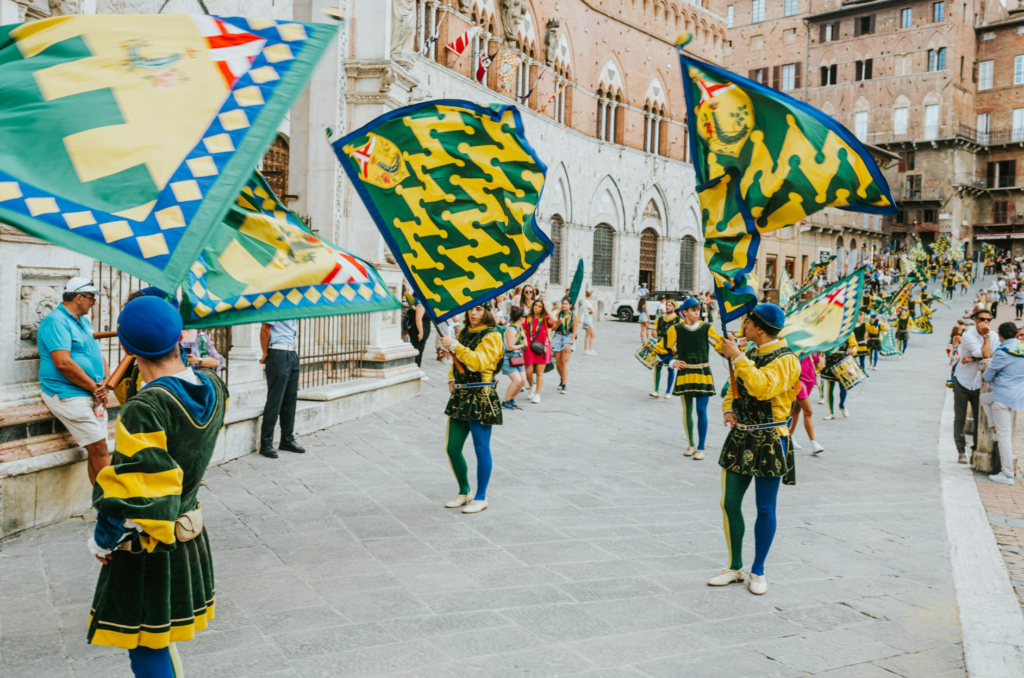
The sound is the first thing you remember. Not the colors or the crowd or the heat — the sound. Ninety seconds of hoof against tufa, ten fantini (bareback jockeys) riding through a dust cloud that smells of summer and a city’s exhaled breath, and then a roar that is not really cheering but something older, the noise a neighborhood makes when its honor has been kept or lost in less than the time it takes to boil an egg.
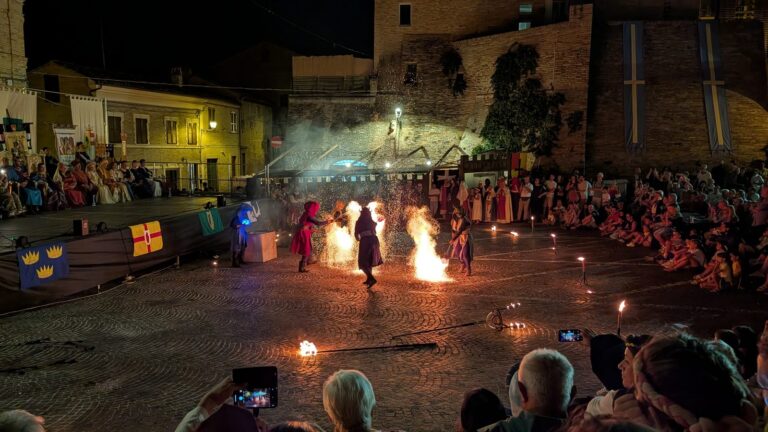
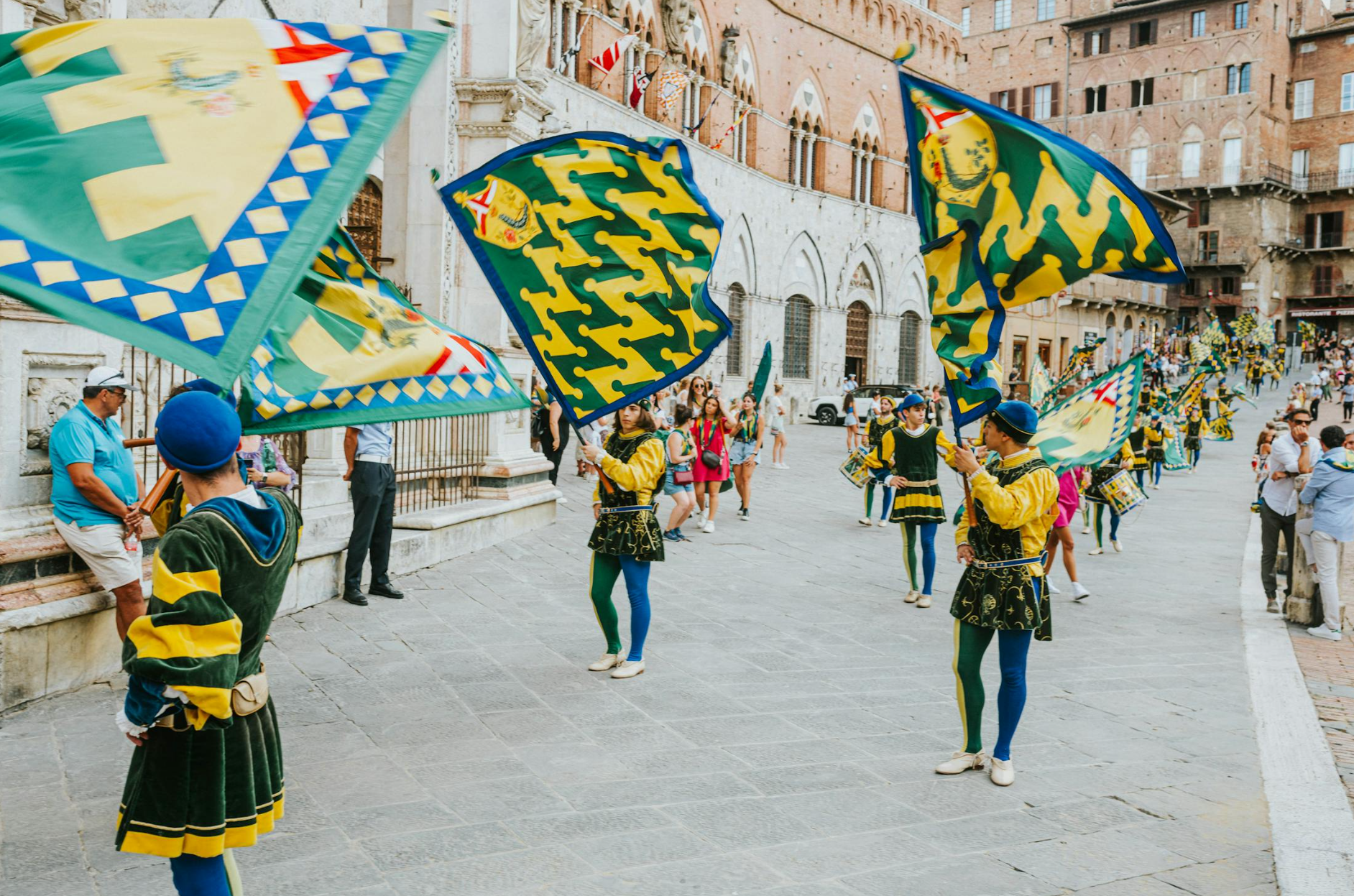
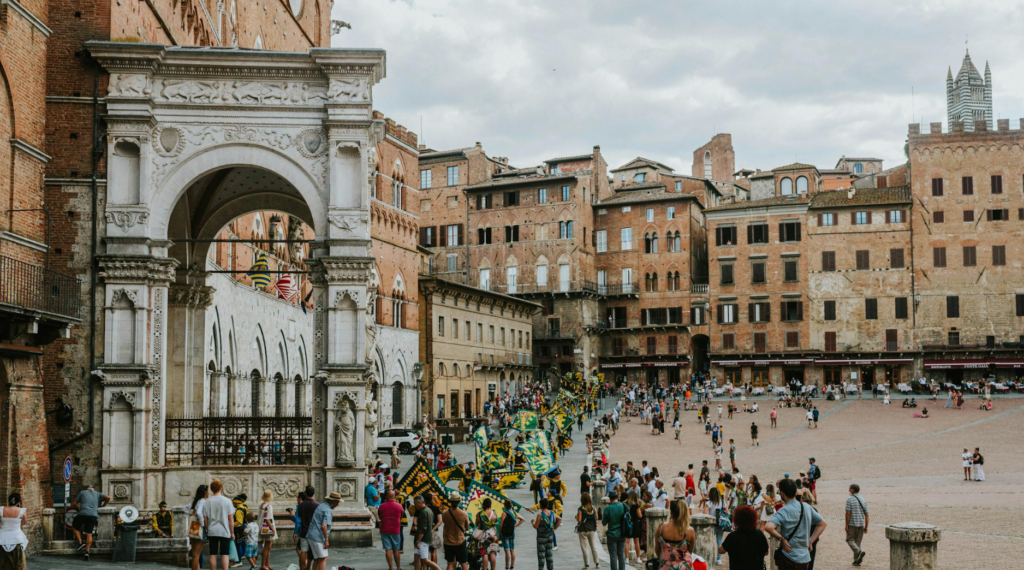
As an Italian engineer from the Marche who has watched the Palio from three different palchi over the years, I can tell you what most foreign visitors do not understand until they are inside Piazza del Campo: the race itself is almost incidental. The drama is the day around it — the morning blessing of the horses, the slow swelling crowd, the Corteo Storico, the silent twenty seconds before the mossa (the start), and then the explosion. To witness this from a real seat rather than from the standing center of the square, you have to plan carefully and you have to plan early.
This piece explains exactly Palio di Siena 2026 how to book a seat — on Thursday, July 2 and Sunday, August 16, 2026 — what each kind of seat costs, who the legitimate sellers are, and what a local thinks about each option. Four ways to sit, three categories of price, several pitfalls to know before transferring a single euro.
What the Palio di Siena Actually Is
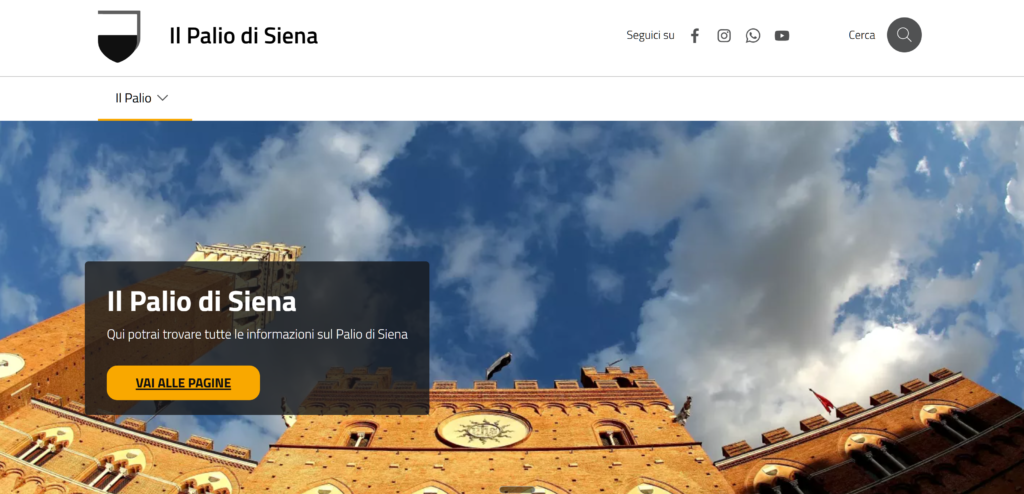
The Palio is not a tourist reenactment. It is a religious and civic event that Siena has run, with its modern statutes since 1656, without interruption except for war and pandemic. The first Palio di Provenzano was raced that year in honor of the Madonna di Provenzano; the August race, the Palio dell’Assunta, honors the Feast of the Assumption and the patron of the city. The whole apparatus is organized by the Comune di Siena, with full documentation on the official Palio di Siena page on the Comune di Siena website.
Siena is divided into seventeen contrade (city wards), each with its own colors, animal symbol, museum, church, and patron saint. They are political entities that function year-round — they hold weddings, baptisms, and dinners; they collect dues; they elect captains. Only ten contrade race in each Palio: seven by right (those that did not race the corresponding Palio the previous year) and three drawn by lot.
Each contrada is assigned a horse three days before the race through the tratta lottery, and only then is the fantino chosen. The race itself runs three laps of Piazza del Campo in roughly ninety seconds. The horse that crosses the finish line first wins — with or without its rider, since the jockey can be thrown and the horse still wins riderless. The prize is the drappellone, a hand-painted silk banner created each year by a different artist. The welfare of the horses is regulated by veterinary protocols renewed in 2015 and has been the subject of public debate. For documental history, see the ilpalio.org historical archive.
Palio di Siena 2026 Dates and the Day of the Race
In 2026, the two race days are:
- Thursday, July 2, 2026 — Palio di Provenzano
- Sunday, August 16, 2026 — Palio dell’Assunta
These dates do not move. They have not moved in three and a half centuries, regardless of which day of the week they fall on. The only exception is the extraordinary Palio, last run in October 2018 for the centenary of the end of World War I. There will be no extraordinary Palio in 2026.
The August race is the more crowded, more expensive, more symbolically charged of the two — it falls on the patronal feast of Siena, and Siena hotels Palio 2026 rates and seat prices for Palio dell’Assunta 2026 run noticeably higher than for Palio di Provenzano 2026. July is the more practical option for a first visit; August is the one to aim for if you want Siena at its emotional maximum.
The day of the race begins before breakfast. The fantini attend mass in their contrada churches; the final morning trial (provaccia) is run at 9 a.m. At 3 p.m., each horse is blessed inside the contrada church — a ceremony in which the priest tells the animal, in Italian, to go and return a winner. The Corteo Storico enters Piazza del Campo around 5 p.m. and lasts roughly two hours. Race start is traditionally scheduled around 7:30 p.m. in July and 7:00 p.m. in August; confirm on the Comune di Siena page closer to the date.
Palio di Siena 2026 How to Book a Seat: The Four Options
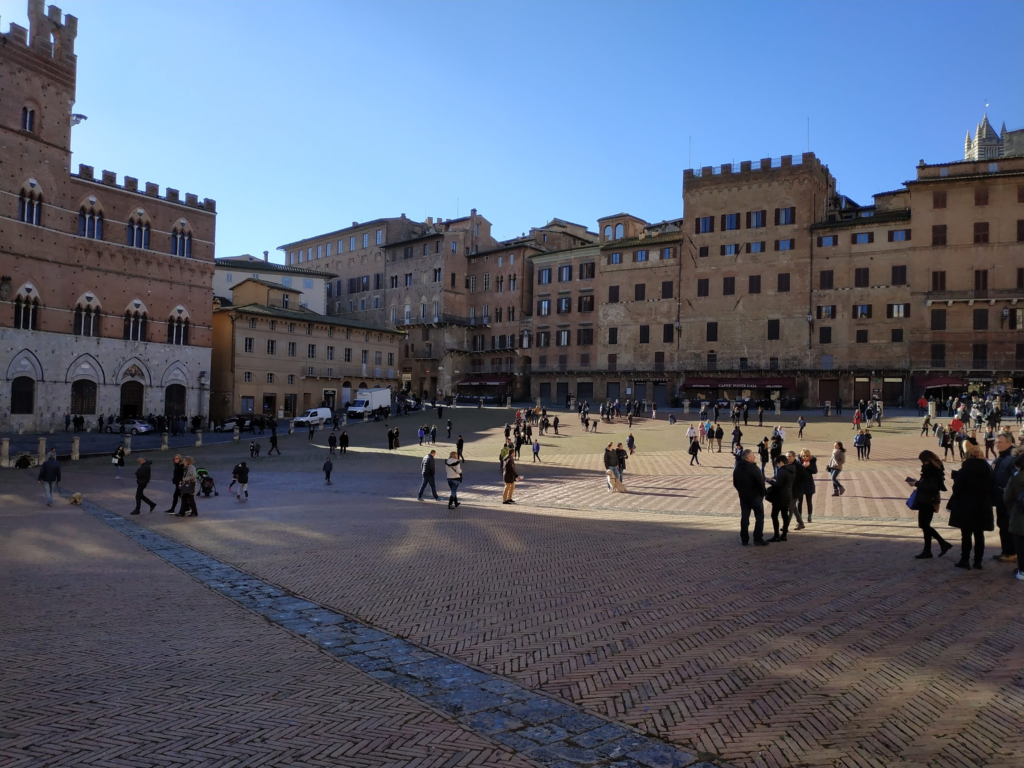
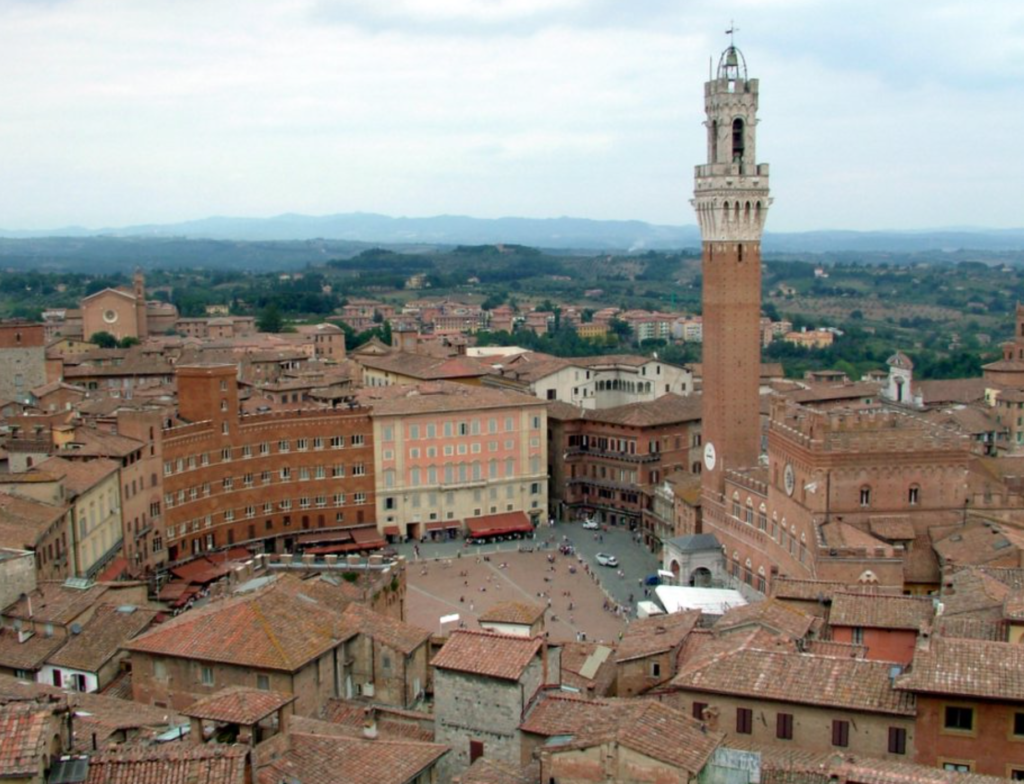
There is no centralized ticket office for Palio di Siena 2026 tickets. The Comune di Siena itself confirms this: seats around Piazza del Campo are private property, sold by the families and businesses whose buildings face the square. You must contact them directly or work through the small number of authorized agencies that consolidate inventory. This determines everything about how you buy.
There are four categories of seat.
Palchi. The wooden grandstands built each year against the perimeter of Piazza del Campo and dismantled after the race. They are owned by the proprietors of the buildings behind them (palcaioli) and sold piece by piece. For the 2025 Palio, Palio di Siena palco seats sold between approximately €350 and €700 for Palio di Provenzano and €450 and €900 for Palio dell’Assunta; 2026 pricing remains in a similar range, with verified resellers quoting €460–€690 for prime Mossa positions.
Balcony and window seats. Sold by the owners of the noble palazzi — Palazzo Sansedoni, Palazzo Chigi Zondadari, Palazzo Piccolomini and others — directly or through specialized agencies. Palio di Siena balcony tickets run roughly €575 to €1,000 for July and €460 to €850 for August, with the highest figures attached to Mossa-facing balconies. Catering is often included.
Tribuna del Casato. A separate, named grandstand on the Casato curve — the most dramatic and exposed bend of the track. Seats here sold between €500 and €1,200 for 2025, depending on row.
Palco del Comune. Institutional seats distributed by the Comune di Siena on application. Not available to outside visitors.
The legitimate resellers that consolidate inventory across these categories are few. Look for an Italian VAT number (partita IVA) clearly displayed on the website, a written contract, an invoice (ricevuta fiscale), and a confirmed assignment with the name of the palazzo and the row and seat number. Established operators include Il Palio Ticket Shop, Palio di Siena Tickets (paliodisiena.tickets, part of InTuscany), and hotel-package providers such as Sienahotels.com and Tuscany Now & More. Avoid third-party listings on generic marketplaces or on platforms hosted outside Italy — there is no consumer recourse if the seat is invalid or never delivered.
When to Book Your Palio Seat for 2026
For Palio di Siena July 2 2026, the best palco and balcony positions were already sold by January. Standard palco seats will close by the end of May 2026. Residual seats with partial view remain available until mid-June, after which the market thins to last-minute returns. For Palio di Siena August 16 2026, the window is tighter: the best positions were gone by December 2025, standard palchi close by the end of June, and residual seats hold only until the third week of July.
Mid-tier inventory — palchi on the Fonte Gaia or San Martino sides, lower rows on the Casato — is the most realistic target for travelers booking now. You can secure verified Palio di Siena 2026 palco seats through licensed Italian resellers; the further from the race you book, the better the position and the lower the markup.
Where to Sit: Palco, Balcony, or Free Standing in the Center?
Palco. A numbered seat on a wooden grandstand two to four meters above the track. You see one stretch of the race well, the rest on the giant screens. Arrive by 5 p.m., two hours before the Corteo Storico, both to navigate the closed streets and because seats fill quickly. Bring a hat, water in a plastic bottle, and patience: the wait is long, the sun is direct on most palchi, and once seated you do not leave.
Balcony of a noble palazzo. A higher, narrower view from a window or terrace of a historic building — Sansedoni, Chigi Zondadari, Piccolomini. You enter through a private courtyard, climb a marble staircase, often eat and drink during the afternoon, and watch the race from above the dust line. The view of Piazza del Campo in its full seashell shape is unmatched. The price is double a palco and the experience is closer to a private event than to a public race.
Free standing in the center of the piazza. The cheapest option and the most physically brutal. Entry to the Campo closes around 2 p.m. You stand shoulder-to-shoulder for five to six hours in direct sun or rain, with no bathrooms, no food, no exit until the race ends and the crowd is released. The view is at ground level: you see the legs of the horses passing and you live the day inside the city’s body.
A practical prescription. First-time visitor: a mid-row palco on the Fonte Gaia side — balanced view, reasonable price, earlier shade. Returning visitor: book a balcony or the Tribuna del Casato for the dramatic bend. Family with children: book a balcony seat with catering, and skip the free center entirely — the crush is not suitable for anyone under twelve.
Practical Tips from a Local
Sleep inside the walls. The historic center of Siena is car-free during the Palio, sealed for the eight hours surrounding the race. Hotels inside the walls — Terzo di Camollia, Pantaneto, around the Duomo — are the only practical base, and rates double or triple for Palio week. Book at least six months in advance.
Eat where the Sienese eat. The osterie on the Casato and along Via di Pantaneto serve the local fixed-price menu (menù del giorno) on race morning — €18 to €25 — while the restaurants ringing the Campo charge tourist surcharges. The contrade also open their dinner clubs (società) to non-members on certain evenings of Palio week; ask at your hotel.
Carry only what you need. Palco access checkpoints search bags. Bring water in a plastic bottle, a hat, sunglasses, a phone battery pack, a folded paper fan. Leave behind glass, alcohol, large bags, anything resembling a contrada banner not your own.
Arrive a day early. The trains and the SR2 highway clog from late morning on race day. The only safe logistics are to be in Siena by the evening before, sleep inside the walls, and walk to your palco. Taxis and rideshares cannot enter the historic center.
What Actually Makes Sense to Book Around the Palio
A note on the links in this section: some are affiliate links. If you book through them, I earn a small commission at no extra cost to you, and it helps keep this blog independent. I only point to things I would send a friend to.
Let me be honest about one thing first, because no one else will: the Palio itself is not something you book on a website. The center of the Campo is free, standing, and packed hours before the horses run; the balconies and grandstand seats come from the families who own those windows and from a handful of specialist agencies, never from the big tour platforms. If you go looking for “Palio tickets” on a booking site, you will not find the real thing. What those sites are genuinely good for is everything around the ninety seconds of the race — the Siena days on either side of it.
Because the Palio is, before anything else, a story about the seventeen contrade, the most useful thing you can do with an afternoon is walk the city with someone who can read it. A half-day walking tour with a local guide takes you into the districts, past the contrada fountains and their small museums, and explains why a person born in Siena belongs to a territory from the day of baptism. That context is what turns the race from a spectacle into something you understand.
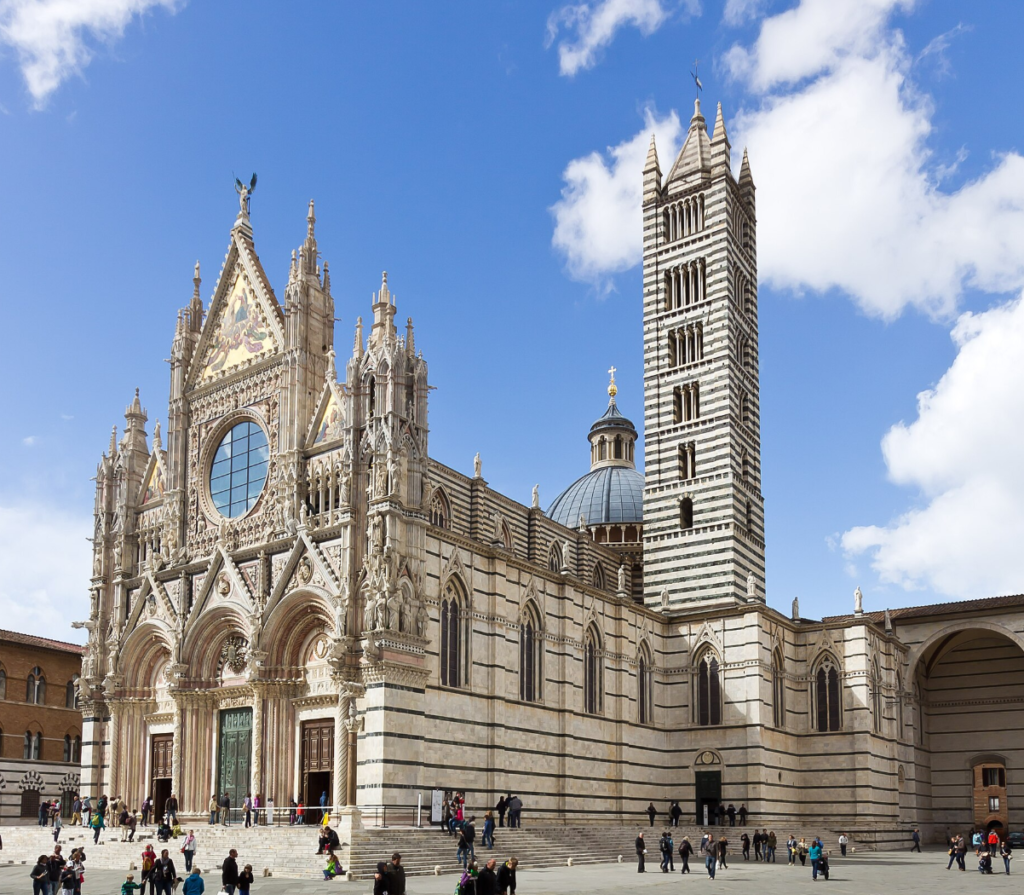
When the crush in the Campo becomes too much — and it will — the cathedral is the counterweight. The Duomo and the Libreria Piccolomini, with Pinturicchio’s frescoes still holding their color after five centuries, is the one interior in Siena I would not skip. Go early, before the tour groups.
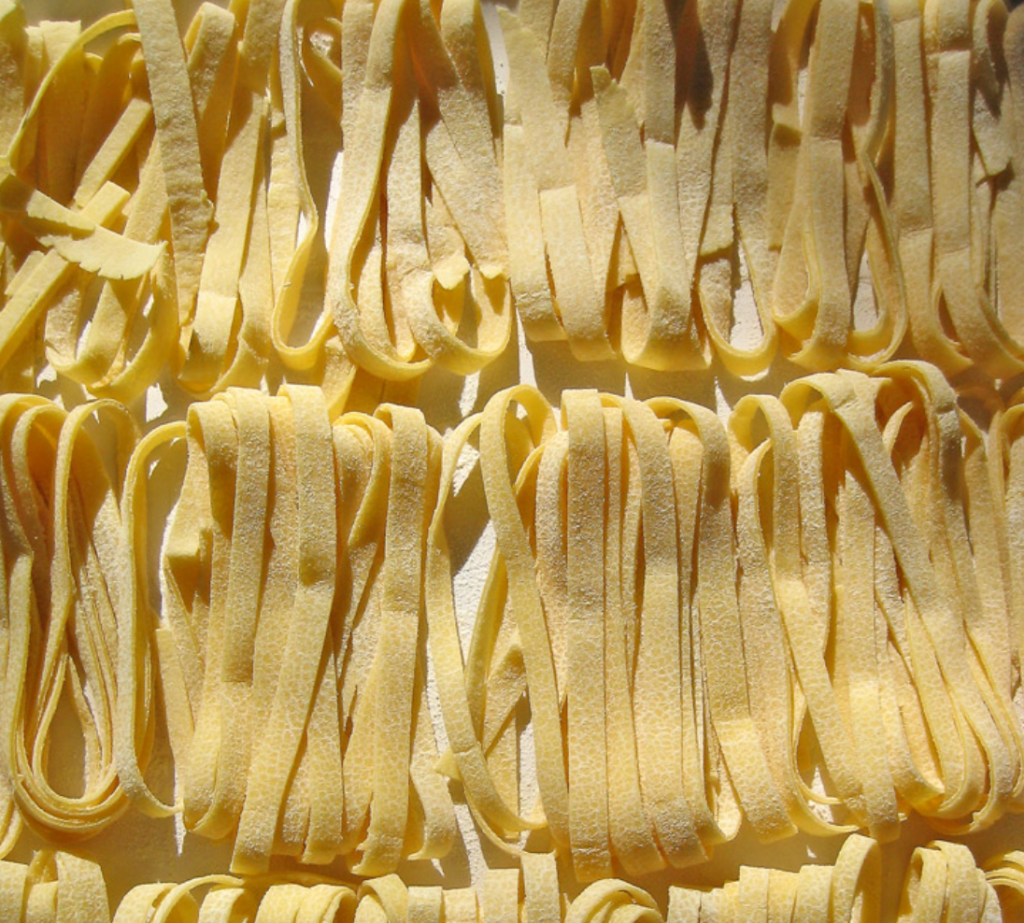
For the days on either side, do something with your hands or get out of town. A pasta-and-tiramisù cooking class is a good use of a slow morning, and driving out into the Chianti hills for a castle and a tasting is the reverse of race day: the countryside empties exactly as the city fills.
One practical warning. On July 2 and August 16 themselves — the two race days — do not book any of these. Siena is unworkable, the Campo swallows the whole afternoon, and half the tours don’t run. Book them for the day before or the day after, and let the race day be nothing but the race.
Conclusion
Book your Palio di Siena 2026 seat through a verified Italian reseller, not through a generic ticket marketplace, and book your Siena hotel the same week you book the seat. The two purchases protect each other: a seat without a room becomes a sleepless return trip, a room without a seat becomes an expensive afternoon in the standing center. The dates do not change — July 2 and August 16, 2026 — and neither does the rule that the best palchi and balconies sell out six to twelve months in advance. Palio di Siena 2026 how to book a seat comes down to one discipline: act early, verify the seller, treat your accommodation as part of the same transaction.
What you are buying is not a ticket to a horse race. It is two hours of Corteo Storico, twenty seconds of silence before the mossa, ninety seconds of riding, and several centuries of memory pressed into one afternoon in Piazza del Campo. Reserve your Palio di Siena 2026 seat now and plan the rest of the trip around it.
Written by Mirco Vitellozzi, a structural engineer from Le Marche who writes about Italy from the inside. More essays at Tastes & Wonders of Italy, and short films on YouTube.