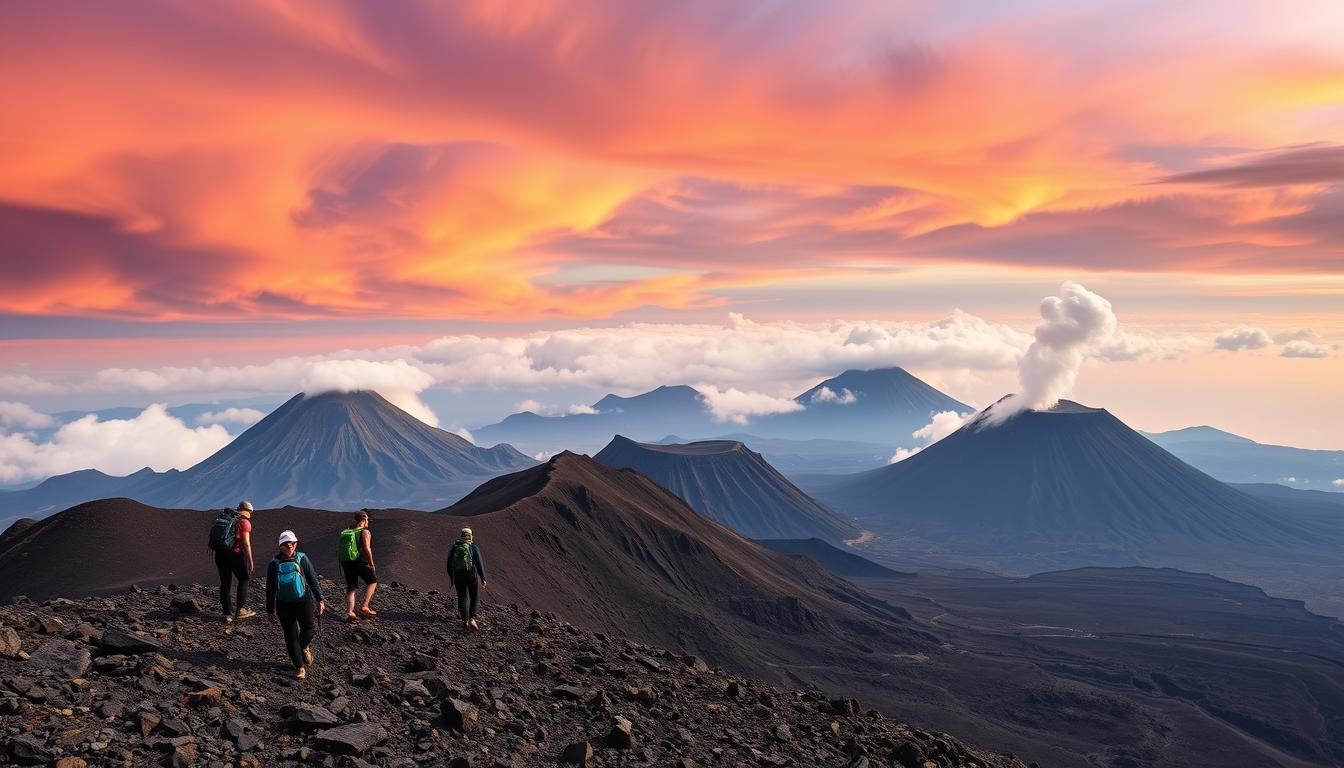
Volcano Trekking 101: Hiking Etna, Stromboli and Vesuvius in One Trip
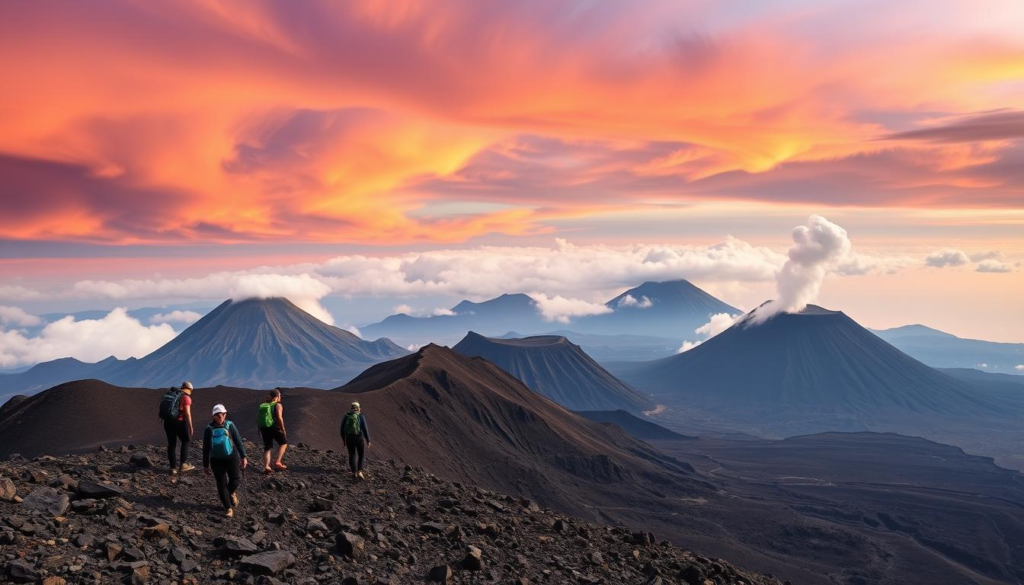
Imagine standing at the edge of a volcanic eruption, feeling the earth’s power beneath your feet. Italy offers a unique experience for adventurous travelers to hike three magnificent active volcanoes in one unforgettable trip. Our comprehensive guide will walk you through planning your volcano trekking adventure in Southern Italy.
This guide covers essential gear, transportation, accommodations, and safety considerations to ensure your experience is both exhilarating and secure. Whether you’re a seasoned hiker or a curious traveler, you’ll find practical insights into experiencing Italy’s volcanic landscapes. Explore the geological wonders that have shaped Southern Italy’s history and culture for millennia, creating a unique blend of natural spectacle and rich cultural heritage.
A note on links: some of the booking links in this article are affiliate links. If you book through them, I earn a small commission at no additional cost to you. Access to Italy’s volcanoes is set by local ordinances that can change overnight, so no booking, through me or anyone else, guarantees a summit. Every tour I link to can be cancelled free of charge up to 24 hours before, and on a volcano that is not a detail.
The Majestic World of Italian Volcanoes
From the towering heights of Mount Etna to the historic significance of Vesuvius, Italy’s volcanoes are a treasure trove of natural and historical significance. The country’s volcanic landscape is not just a wonder of the world; it’s also a popular destination for those seeking adventure and a deeper understanding of geological phenomena.
Understanding Active Volcanoes
Active volcanoes like Mount Etna and Stromboli are characterized by their frequent eruptions. Mount Etna, for instance, has been active for 2.6 million years, making it one of the most studied volcanoes in the world. Understanding these natural wonders requires a look into their geological history and the role they play in shaping the surrounding landscape.
The Volcanic Wonders of Southern Italy
Southern Italy is a unique place where volcanic activity has created a diverse range of landscapes. The region is home to Mount Etna, Stromboli, and Vesuvius, each offering a distinct experience for visitors. Mount Etna, standing at 3,357 meters, is Europe’s tallest active mountain and a prominent landmark in Sicily. Stromboli, known for its continuous eruption over the past 2,000 years, is a spectacle of nature, while Vesuvius stands as a reminder of the power of volcanic activity.
The volcanic landscapes of Southern Italy have not only shaped the geography but also influenced the local culture and agriculture. The fertile soils around these volcanoes support unique agricultural practices, making the region a paradise for food enthusiasts and nature lovers alike.
Planning Your Volcano Trekking Adventure
Embarking on a volcano trekking adventure in Italy requires meticulous planning to ensure a memorable experience. With three major volcanoes to explore — Mount Etna, Stromboli, and Mount Vesuvius — a well-structured itinerary is crucial.
Best Time to Visit Sicily and the Aeolian Islands
The best time to visit Mount Etna, located in Sicily, is from May to October if you’re aiming for the top craters. However, it’s essential to note that even in May, there can be a significant amount of snow on the slopes. The weather at the top can be quite different from Catania, where it might be sunny and hot while the top craters are covered in clouds.
How Many Days You’ll Need
To fully experience the volcano trekking adventure, consider the following guidelines:
- A comprehensive volcano trekking adventure covering all three major volcanoes (Etna, Stromboli, and Vesuvius) requires a minimum of 7 days to allow for travel time between locations and adequate exploration of each volcanic site.
- For a more relaxed pace, consider extending your trip to 10–14 days, especially if you want to include island hopping in the Aeolian archipelago.
- Allocate at least 2 full days for Mount Etna to explore different hiking routes and allow flexibility in case of adverse weather conditions or unexpected volcanic activity.
- The Stromboli experience typically requires 2–3 days, including travel time to and from the island, an evening hike to view eruptions, and time to explore the island’s black sand beaches and villages.
- Mount Vesuvius can be visited in a single day, but plan for 2 days if you want to combine it with visits to Pompeii and Herculaneum.
Essential Gear for Volcano Trekking
Volcano trekking is an exhilarating experience, but it demands the right equipment to navigate the challenging terrains safely. Whether you’re joining a guided tour or venturing out on your own, being properly equipped is crucial.
Clothing and Footwear
The right clothing and footwear are the foundation of a successful volcano trekking adventure. The terrain can be rugged, with loose volcanic sand and scree, making sturdy hiking boots a necessity. Additionally, dressing in layers is advisable due to the unpredictable weather conditions at higher elevations.
For your comfort and safety, consider the following:
- Sturdy hiking boots with good grip
- Moisture-wicking clothing for comfort
- Waterproof jacket to protect against the elements
Equipment and Accessories
Beyond clothing, there are several pieces of equipment that can significantly enhance your trekking experience. Trekking poles are highly recommended, especially for descents on loose volcanic sand, as they provide crucial stability. It’s also essential to carry a backpack with sufficient water — at least 2 liters per person — as dehydration can be a significant risk in these dry environments.
| Equipment | Purpose |
|---|---|
| Trekking Poles | Stability on loose sand and scree |
| Headlamp/Flashlight | Visibility during early morning or evening hikes |
| Sun Protection (Sunscreen, Sunglasses) | Protection against UV rays reflected by volcanic surfaces |
For those who don’t own the necessary gear, many tour operators and facilities near cable car stations offer rental services at reasonable prices. This can be a cost-effective way to ensure you’re properly equipped without the need for a significant upfront investment.
Mount Etna: Europe’s Highest Active Volcano
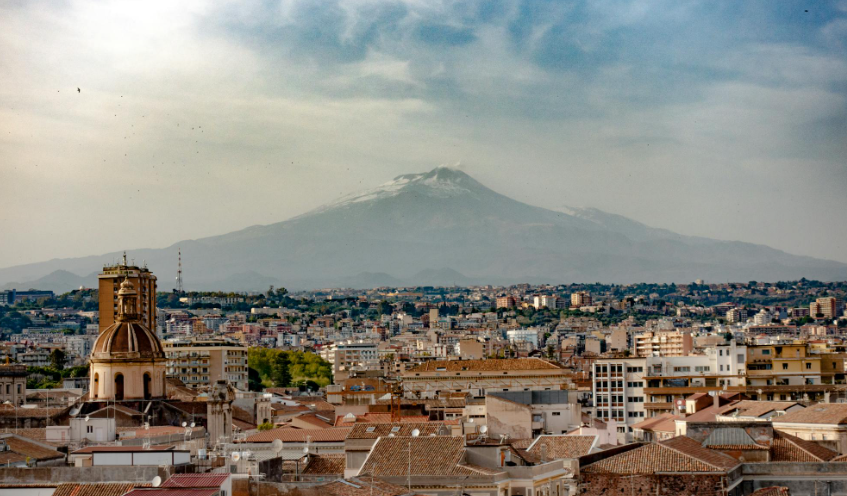
For those drawn to the raw power of nature, Mount Etna presents an unforgettable adventure. As Europe’s highest active volcano, it offers a unique blend of natural beauty and exciting hiking opportunities.
Getting to Mount Etna from Catania
The journey to Mount Etna from Catania is straightforward. Visitors can take a guided tour or drive to the volcano. The most common starting point is Rifugio Sapienza, where the cable car (Funivia) awaits to take you higher up the mountain.
Hiking Options on Mount Etna
Mount Etna offers a variety of hikes suitable for different fitness levels and interests. The most accessible option begins at Rifugio Sapienza, where you can take the cable car to 2,500m and then explore the area on foot. For more adventurous hiking enthusiasts, guided tours can take you to higher elevations using 4×4 vehicles, offering closer views of recent lava flows and active craters.
The scenic trail to the botanical garden is another alternative, staying within the tree line and offering beautiful views of the summit craters from a distance. This option is ideal during adverse weather conditions. Additionally, the Silvestri Craters near Rifugio Sapienza provide an excellent introduction to volcanic landscapes with minimal physical exertion.
Exploring Etna’s Summit Craters
Mount Etna’s summit craters offer a unique hiking experience, but access is never guaranteed. It is governed by ordinances issued by the municipalities on the volcano’s slopes, which tighten or relax with the alert level set by INGV, Italy’s National Institute of Geophysics and Volcanology. The craters can stay closed for months at a stretch, as they were through the summer of 2026, and in those periods licensed guides, including Guides Etna Sud, can take visitors only to around 3,000 meters, sometimes less. Check the status a few days before you go, and again the evening before.
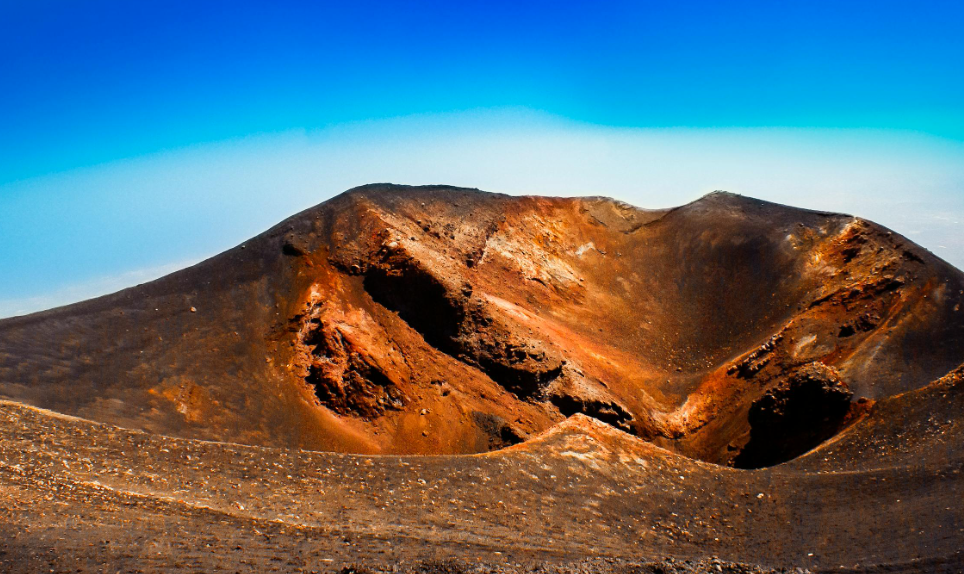
Cable Car and 4×4 Experience
The journey to Mount Etna’s summit begins with a cable car ride, followed by a 4×4 vehicle that takes you to higher altitudes. This experience is part of guided tours that typically cost between €85–90 per person. The price includes cable car tickets, 4×4 transport, equipment rental, and expert commentary on Etna’s geology, ecology, and eruption history.
Guides Etna Sud offered a guided tour that included hiking boots, jackets, helmets, poles, backpacks, and socks. Although the summit craters tour was not possible, they took us to the maximum possible altitude, where we could see old lava flows, the summit craters, and the Bove Valley.
Guided Tours vs. Self-Guided Exploration
Certified guides are mandatory for accessing Mount Etna’s summit craters above 2,900 meters due to the need for specialized knowledge of current volcanic activity, safe routes, and emergency procedures. While self-guided exploration is possible up to 2,500 meters, guided tours provide a safer and more informative experience.
| Tour Type | Altitude | Cost | Features |
|---|---|---|---|
| Guided Tour | Up to 3,000 meters | €85–90 | Cable car, 4×4 transport, equipment, guide |
| Self-Guided | Up to 2,500 meters | Variable | Access to lower altitudes, no guide |
The value of a guided Etna tour extends beyond simple access, as knowledgeable guides provide context about what you’re seeing, point out easily missed features, and share fascinating stories about living with an active volcano.
If you would rather reserve your place before you fly than queue at the kiosks of Rifugio Sapienza, the guided summit-area hike that starts from the Rifugio Sapienza cable car is the one I would book: a licensed volcano guide, helmet and insurance included, optional pickup from Catania, and a route that the guide adjusts to whatever altitude the ordinances allow that day. Read the fine print on one point. The listed price covers the guide, not the mountain: the cable car (around €54 return) or the cable car plus 4×4 (around €82) is paid on the spot, so the total ends up above the bundle described earlier. What the difference buys is a guaranteed place in August and free cancellation up to 24 hours before.
Alternative Hikes on Mount Etna
While many hikers aim for the summit of Mount Etna, there are alternative trails worth exploring. These trails offer unique experiences and stunning views without the need to reach the highest point.
Silvestri Craters
The Silvestri Craters are a fascinating alternative for those who cannot reach the summit due to weather conditions. This trail allows hikers to explore volcanic craters formed during the 19th-century eruptions. The Silvestri Craters offer a glimpse into Mount Etna’s volcanic history and are relatively easy to access.
Botanical Garden Trail
The Botanical Garden Trail is an 8-kilometer loop that starts from Rifugio Sapienza. This trail winds through pine forests and showcases the unique plant life adapted to the volcanic soil. Hikers can enjoy stunning views of Etna’s summit craters from a distance. The trail crosses dramatic lava fields and beautiful forests, demonstrating ecological succession following volcanic eruptions.
- The trail offers a sheltered hiking experience, protected from wind and extreme weather.
- It provides stunning views of Etna’s summit craters and showcases diverse ecosystems.
- Hikers can observe the contrast between recent lava flows and rich biodiversity.
Stromboli: The Lighthouse of the Mediterranean
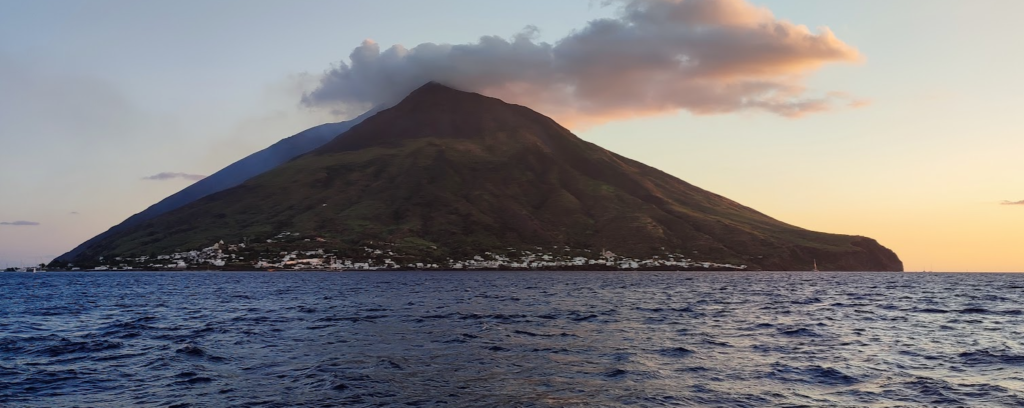
Stromboli, known as “The Lighthouse of the Mediterranean,” is a unique volcanic island that offers an unforgettable hiking experience. The soft glow of Stromboli has been spewing continuously for at least 2,500 years, creating a surreal landscape that captivates visitors.
Getting to Stromboli Island
To reach Stromboli, travelers typically fly into Sicily and then take a ferry or hydrofoil to the Aeolian Islands. The journey itself is part of the adventure, with the scenic views of the Mediterranean Sea and surrounding islands.
The ferry ride offers a glimpse into the island’s volcanic nature, with the sea often reflecting the colors of the volcanic ash and rocks.
The Unique Experience of an Active Volcano
Stromboli offers one of the world’s most accessible opportunities to witness regular volcanic eruptions, with its characteristic “Strombolian” activity producing spectacular bursts of lava, incandescent rock, and ash approximately every 20–30 minutes.
Viewing Stromboli’s volcano at night provides an unforgettable experience as the dark sky highlights the brilliant orange-red glow of ejected material, creating natural fireworks that can be safely observed from designated viewpoints.
The contrast between the volcano’s violent nature and the peaceful Mediterranean setting creates a surreal atmosphere, with palm trees and whitewashed buildings standing against the backdrop of a smoking mountain.
Hiking Stromboli Safely
As one of the most active volcanoes in the world, Stromboli requires hikers to be well-prepared. The hike to the authorized viewpoint on Stromboli offers breathtaking views of the “Sciara del Fuoco” and the opportunity to witness eruptions lighting up the night sky.
Guided Tours and Regulations
Hiking Stromboli safely involves joining a guided tour, as guides are knowledgeable about the volcano’s activity and the terrain. The rules are precise and set by the Municipality of Lipari, to which Stromboli belongs: under Ordinance No. 16 of 5 May 2025, you may walk alone up to 290 meters above sea level, while the stretch up to 400 meters is open only with an authorized guide, in groups of no more than 25, with a certified helmet. Above 400 meters only scientists and Civil Protection staff are allowed. The ordinances are revised when the volcano’s activity changes, so the figures can move from one season to the next.
The primary authorized viewpoint for observing Stromboli’s eruptions is at approximately 400 meters elevation on the mountain’s northern flank. This vantage point provides a clear view of the “Sciara del Fuoco.”
The walk worth doing is the one timed for dusk, so that you climb in daylight and watch the eruptions once the sky turns dark. The sunset trek to the Sciara del Fuoco viewpoint starts from Piazza San Vincenzo, by the village church, two hours before sunset, lasts about five hours, and includes the guide, the helmet and a headlamp. It stops at 400 meters because that is where the law stops it, not the operator.
Best Viewpoints for Eruptions
While the 400-meter viewpoint is the primary location for viewing eruptions, alternative viewing opportunities exist. For those unable to hike, boat tours around the island at dusk offer a safe way to observe the volcano’s activity from sea level.
| Viewing Location | Features |
|---|---|
| 400-meter viewpoint | Clear view of “Sciara del Fuoco,” observable eruptions |
| Ginostra village | Distant views of eruptions from Church of San Vincenzo terrace |
| Boat tours | Safe offshore viewing of eruptions at dusk |
Nighttime viewing enhances the experience, as the darkness highlights the glowing trajectories of ejected material. Weather conditions can impact viewing quality, so flexibility in your itinerary is advisable.
Mount Vesuvius: The Most Famous Volcano in History
The historic eruption of Mount Vesuvius in 79 AD is a pivotal moment in the study of volcanology. This event not only changed the landscape around the Bay of Naples but also left a lasting impact on the world.
Getting to Vesuvius from Naples
Mount Vesuvius is easily accessible from Naples, making it a popular day-trip destination. Visitors can take a bus or drive to the volcano’s base, where guided tours are available.
The journey to Vesuvius offers scenic views of the Bay of Naples and the surrounding landscape, setting the tone for an unforgettable experience.
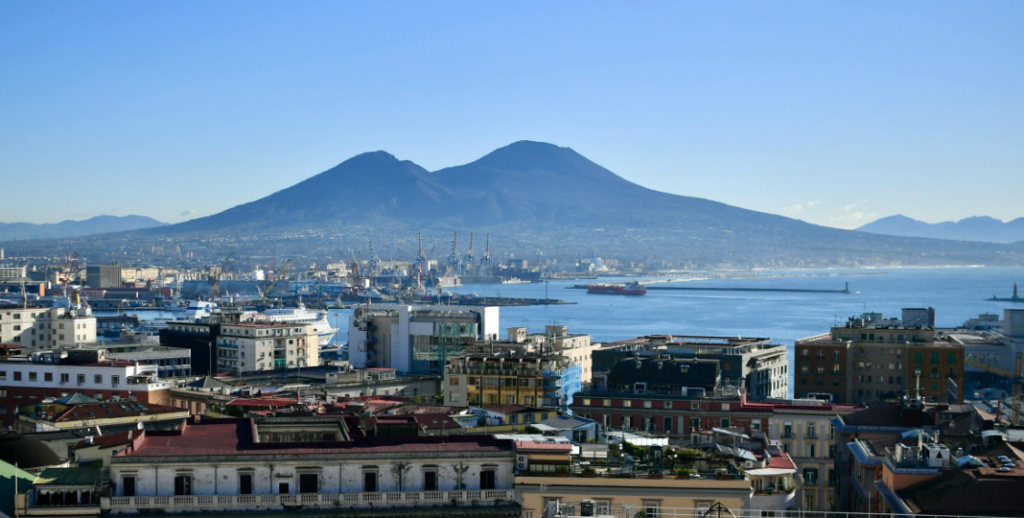
The Historic Significance of Vesuvius
Mount Vesuvius achieved its place in world history through the catastrophic eruption of 79 AD, burying the Roman cities of Pompeii and Herculaneum under volcanic ash and pumice.
- The 79 AD eruption gave its name to a specific type of volcanic activity — “Vesuvian eruptions” — characterized by explosive columns of ash and pumice followed by pyroclastic flows.
- Pliny the Younger’s detailed eyewitness account provided the first scientific documentation of a volcanic eruption, remaining valuable to volcanologists today.
- Vesuvius has erupted more than 30 times since 79 AD, with the most recent significant eruption occurring in March 1944.
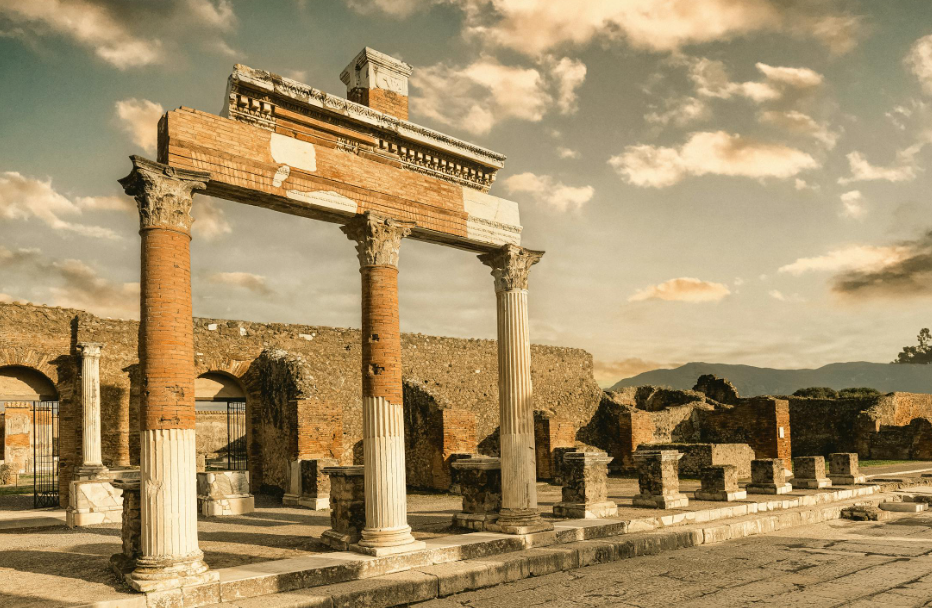
Today, Vesuvius is considered one of the world’s most dangerous volcanoes due to its explosive eruption style and the dense population living in its shadow.
Understanding the history and significance of Mount Vesuvius enhances the visitor experience, offering a glimpse into the complex relationship between nature and human settlements over time.
Hiking Mount Vesuvius
Mount Vesuvius, known for its historic eruption that destroyed Pompeii, is a must-visit destination for any trekking enthusiast. The hike up the volcano offers a unique blend of natural beauty and historical significance, making it a compelling addition to any Italian itinerary.
Trail Difficulty and What to Expect
The trail to the summit of Mount Vesuvius is approximately 3 kilometers long and is considered moderately difficult. The path is well-marked and maintained, but the climb can be steep in some areas. Hikers should be prepared for a challenging but rewarding experience. The time required to complete the hike can vary, but most visitors spend around 2–3 hours at the summit.
Upon reaching the summit, visitors are greeted by a panoramic view of the Bay of Naples and the surrounding landscape. The crater itself is a deep depression, a testament to the volcano’s powerful forces. It’s advisable to wear comfortable hiking shoes and bring sun protection, as the climb can be exposed.
Combining with a Visit to Pompeii
Combining a hike up Mount Vesuvius with a visit to Pompeii creates a powerful historical experience. Visitors can understand both the destructive force that buried the ancient city and the remarkably preserved Roman life it froze in time. A full day is ideal for this combination, spending 2–3 hours hiking Vesuvius in the morning when temperatures are cooler and crowds lighter, followed by 3–4 hours exploring Pompeii in the afternoon.
Many organized tours offer this popular combination, typically departing from Naples or Sorrento and including transportation between sites, entrance fees, and guided commentary, with prices ranging from €65–100 depending on inclusions. Independent travelers can also create their own itinerary using the Circumvesuviana train line that connects Naples with both Pompeii (Pompei Scavi station) and Vesuvius access points (Ercolano station), allowing for a more flexible schedule.
| Tour Type | Duration | Cost |
|---|---|---|
| Guided Tour | Full Day | €65–100 |
| Self-Guided | Flexible | Variable |
Consider also visiting the less crowded but equally fascinating site of Herculaneum, which was buried by the same eruption but preserved differently, offering complementary insights into Roman life and the varied effects of the volcanic catastrophe.
Island Hopping in the Aeolian Archipelago
The Aeolian Archipelago offers a unique island-hopping experience, with each island boasting its own distinct charm. With multiple daily hydrofoil connections during the summer season, visitors can easily explore the various islands, taking in the stunning natural beauty and diverse landscapes.
Lipari as Your Base
Lipari is an ideal base for island hopping, with its convenient location and range of amenities. Visitors can stay in Lipari and take day trips to the surrounding islands, enjoying the flexibility and freedom to create their own itinerary.
Visiting Vulcano and Salina
Two of the most popular day-trip destinations from Lipari are Vulcano and Salina. Vulcano is known for its bubbling mud baths and steaming fumaroles, while Salina boasts lush vegetation, terraced vineyards, and picturesque villages. Both islands offer a unique and unforgettable experience, with panoramic views across the archipelago.
On Vulcano, visitors can hike to the Gran Cratere, enjoying breathtaking views of the surrounding islands. On Salina, they can explore the island’s charming villages, visit local vineyards, and hike to the top of Monte Fossa delle Felci, the archipelago’s highest peak.
With its diverse range of landscapes and activities, the Aeolian Islands are a perfect destination for a day trip or a longer stay. Whether you’re looking to relax or explore, the islands have something to offer, with their unique blend of natural beauty and cultural heritage.
Transportation Between Volcanoes
Navigating the transportation options between Italy’s volcanoes is key to a smooth trip. Whether you’re traveling from Catania to Mount Etna, or from Naples to Mount Vesuvius, understanding the available transport methods can make a significant difference in your travel experience.
Ferries and Hydrofoils
For those heading to the Aeolian Islands, such as Stromboli, ferries and hydrofoils are a common mode of transportation. These services connect the mainland to the islands, offering a scenic route with the chance to enjoy the Mediterranean Sea. When planning your trip, it’s essential to check the schedules in advance, as they can vary depending on the season.
Public Transport vs. Private Transfers
Public transportation in Sicily and around Naples provides an economical way to reach the volcanic sites. For instance, the AST bus line connects Catania to Mount Etna at a reasonable price of €6.60 round trip, while the Circumvesuviana train links Naples to Vesuvius access points for €4–5 each way. However, public transport has its limitations, including infrequent schedules and limited capacity, especially during peak tourist season.
On the other hand, private transfers and taxis offer convenience and time efficiency, with direct door-to-door service. Although at a higher price, for groups of 3–4 travelers, this option becomes more cost-competitive, especially considering the time saved and added comfort. A private transfer from Catania to Etna’s Rifugio Sapienza can cost between €70–95 one way. Many tour operators also include hotel pickup and transfer services as part of their packages, making it a convenient option for travelers.
When deciding on the mode of transport, consider the size of your group, your budget, and your preference for convenience versus economy. Whether you choose public transport or a bus tour, planning ahead is crucial for a hassle-free journey between Italy’s iconic volcanoes.
Accommodation Options
When planning your volcano trekking adventure, choosing the right accommodation is crucial for a comfortable and enjoyable experience. Your choice of where to stay can significantly impact your overall trip, whether you’re hiking Mount Etna, Stromboli, or Vesuvius.
Staying in Catania
For those visiting Mount Etna, Catania is a convenient base. It offers a wide range of accommodation options, from budget-friendly hotels to luxury resorts. If you prefer to stay close to the action, consider Rifugio Sapienza, which provides the unique experience of overnighting on the volcano itself. We stayed one night in Rifugio Sapienza and found the hotel to be modest and simple, with comfortable and clean rooms. Although the small windows and lack of view were slightly disappointing, the breakfast was amazing, and we appreciated the early check-in and luggage storage facilities. The cost was around €90 for a double room.
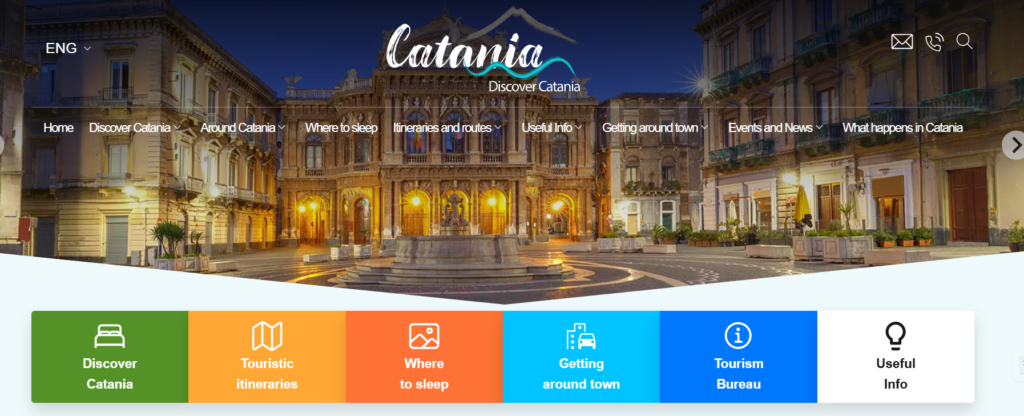
For hotels and practical information in the city itself, the official tourism site of the City of Catania is the most reliable place to start.
Accommodation on the Aeolian Islands
The Aeolian Islands offer a variety of accommodation options to suit different budgets and preferences. Lipari is the most convenient island for accommodation, with a wide selection of guesthouses, hostels, boutique hotels, and luxury villas. For an authentic island experience, consider staying in traditional Aeolian houses, which have been converted into charming B&Bs or apartment rentals. Stromboli also offers accommodation options, ranging from simple guesthouses to more upscale hotels like Hotel Miramare, though prices are typically higher due to the island’s popularity.
| Island / Location | Accommodation Type | Price Range |
|---|---|---|
| Lipari | Guesthouses, Hostels, Boutique Hotels, Luxury Villas | €50–€200 per night |
| Stromboli | Simple Guesthouses, Upscale Hotels | €80–€250 per night |
| Mount Etna (Rifugio Sapienza) | Basic Hotel | €90–€120 per night |
It’s essential to book your accommodation in advance, especially during peak season (July–August), when prices increase by 30–50% compared to the shoulder seasons (May–June and September–October).
Volcano Trekking 101: Creating Your Perfect Itinerary
Embarking on a volcano trekking adventure in Italy requires meticulous planning to ensure a memorable experience. With multiple volcanoes to explore, including Mount Etna, Stromboli, and Mount Vesuvius, creating an itinerary that suits your interests and time constraints is crucial.
To help you plan your trip, we’ve outlined two itinerary options: a 7-day and a 10-day extended itinerary. Both options offer a unique blend of volcanic landscapes, cultural experiences, and relaxation.
7-Day Itinerary Option
A 7-day itinerary is ideal for those with limited time. Here’s a suggested plan:
- Days 1–2: Explore Catania and Mount Etna, including a guided tour and a visit to the Alcantara Gorge.
- Days 3–4: Transfer to Taormina and enjoy the picturesque views while exploring the town and taking a day trip to Etna’s northern slope.
- Days 5–7: Ferry to Lipari and explore the Aeolian Islands, including Vulcano, Stromboli, and Salina.
| Day | Location | Activity |
|---|---|---|
| 1–2 | Catania | Explore city, guided tour of Mount Etna |
| 3–4 | Taormina | Explore town, day trip to Etna’s northern slope |
| 5–7 | Lipari | Explore Aeolian Islands |
10-Day Extended Itinerary
For those with more time, a 10-day itinerary offers a more leisurely pace and the opportunity to explore additional destinations.
- Days 1–2: Spend two full days in Catania, exploring the city’s historic center and taking a comprehensive guided tour of Mount Etna.
- Days 3–4: Transfer to Taormina and enjoy the picturesque views while exploring the town and taking a day trip to Etna’s northern slope.
- Days 5–7: Ferry to Lipari and explore the Aeolian Islands, including Vulcano, Stromboli, and Salina.
- Day 8: Travel to Naples and explore the historic center.
- Day 9: Visit Mount Vesuvius and the archaeological site of Herculaneum.
- Day 10: Explore Pompeii with a specialized archaeological guide.
Both itineraries offer a unique and unforgettable experience. By planning your trip carefully, you can make the most of your time and create lifelong memories.
Safety Considerations for Volcano Hiking
Safety is paramount when hiking volcanoes, where the terrain can be unpredictable and hazardous. Volcanoes like Mount Etna are active, with constantly changing landscapes that can make navigation challenging even for experienced hikers and climbers.
Understanding Volcanic Activity Levels
Before you start your hike, it’s crucial to understand the current volcanic activity level. For instance, Mount Etna’s activity can affect the hiking trails and accessibility. Closures of the summit area are frequent and can be ordered at short notice, so the route you booked may change on the morning of the hike itself.
Being aware of the volcanic activity helps you prepare for the hike and make informed decisions about your route. Guides and local authorities can provide valuable insights into the current conditions.
Emergency Procedures and Contacts
In case of an emergency, having the right contacts saved can be lifesaving. Save the European emergency number (112), local mountain rescue services, and your guide’s number if you’re on a tour.
- Familiarize yourself with evacuation routes and assembly points, typically posted at visitor centers and trailheads.
- Inform someone not in your hiking party about your planned route and expected return time.
- Carry a basic emergency kit including first aid supplies, extra water, high-energy snacks, a whistle, flashlight with spare batteries, and a space blanket.
Paying attention to warning signs of increased volcanic activity, such as changes in gas emissions or unusual behavior of wildlife, is also crucial. If you notice these changes or feel uncomfortable, don’t hesitate to descend.
Booking Notes: The Two Walks I Would Reserve Before Flying
Of the three volcanoes, Vesuvius is the only one you can leave to the day itself. Etna and Stromboli both require a licensed guide above a certain altitude, and in July and August the guided groups fill up well before the weekend. These are the two places worth securing in advance, and the one I would leave alone.
Etna, with the cable car. The guided hike from Rifugio Sapienza is the right choice for most readers because it starts where the paved road ends and lets you decide on the spot between the cable car alone and the cable car plus 4×4, depending on how the mountain looks that morning. Budget for the lift tickets on top of the listed price, and wear boots you have already broken in: the descent on loose volcanic sand is harder on the knees than the climb.
Stromboli at sunset. The guided sunset trek to the Sciara del Fuoco is the reason most people make the crossing at all. Book a night on the island rather than a day trip: the walk ends well after dark, later than most hydrofoil departures, and the village at night, with no cars and the crater glowing above the rooftops, is half of the experience.
What I would skip: the Etna day trip from Palermo. On a map it looks efficient. In practice it means close to three hours on the road each way for a few hours on the volcano, at roughly double the price of a guided hike booked from Catania, which is where the itinerary above already puts you. If Palermo is your only base in Sicily, give Etna its own night in Catania or Nicolosi instead; if it cannot have one, you will see more of the volcano from a boat off Stromboli at dusk than from a coach window.
Conclusion: The Unforgettable Experience of Italian Volcano Trekking
As we conclude our journey through Italy’s majestic volcanoes, it’s clear that trekking Etna, Stromboli, and Vesuvius is an adventure like no other. This trip offers a rare opportunity to witness the earth’s geological power in action while experiencing the distinctive character of each volcano and the cultural landscapes they’ve shaped.
The memories you’ll create on this adventure are truly unique: standing on Europe’s highest active volcano as steam rises from its craters, watching Stromboli’s natural fireworks illuminate the Mediterranean night, and walking the rim of the volcano that preserved an ancient civilization at Pompeii. Beyond the geological wonders, this journey immerses you in the rich tapestry of Southern Italian culture, from Sicily’s Arab-influenced cuisine to the traditional fishing villages of the Aeolian Islands and the vibrant energy of Naples.
For those seeking an unparalleled experience in the natural world, Italian Volcano Trekking stands out as a premier adventure. While challenging at times, the effort required for these volcanic hikes rewards you with incomparable views, a profound connection to the earth’s dynamic processes, and a deeper appreciation for the resilience of communities that have thrived alongside these powerful forces of nature.
If you are building a longer trip around the volcanoes and want a second pair of local eyes on the plan, you can reach me through the About page.
FAQ
What is the best time to visit active volcanoes in Italy?
The best time to visit is from spring to early autumn when the weather is mild and hiking conditions are optimal. Avoid visiting during peak summer months if you’re not comfortable with high temperatures.
What type of footwear is recommended for volcano trekking?
Sturdy hiking boots with good grip are essential for navigating the rugged terrain around active volcanoes. Ensure they are waterproof and provide ankle support.
How do I get to Mount Etna from Catania?
You can take a private transfer or public bus from Catania to Mount Etna. The journey takes around 1.5 hours. Alternatively, consider renting a car for more flexibility.
What can I expect from a guided tour to the summit craters?
A guided tour typically includes a cable car ride and a 4×4 vehicle transfer to the highest altitude the current ordinances allow, which is not always the summit. Guides provide insights into the volcano’s history, geology, and current activity.
Are there any safety considerations I should be aware of when hiking on active volcanoes?
Always check the current volcanic activity level before heading out. Follow guide instructions, stay on designated trails, and be prepared for changing weather conditions.
How much does a typical volcano trekking tour cost?
Prices vary depending on the tour operator, duration, and services included. Expect to pay around €50–100 per person for a guided tour, not including transportation costs.
Can I visit multiple volcanoes in one trip?
Yes, it’s possible to visit Mount Etna, Stromboli, and Mount Vesuvius in one trip. Plan your itinerary carefully, considering travel times between locations and accommodation options.
What are the accommodation options near the volcanoes?
You can stay in Catania for Mount Etna, on Lipari or other Aeolian Islands for Stromboli, and in Naples or nearby towns for Mount Vesuvius. Options range from budget-friendly hotels to luxury resorts.
How do I get around the Aeolian Islands?
Ferries and hydrofoils connect the islands. You can also rent cars or scooters on the larger islands. Public transport is available but may be limited.
Written by Mirco Vitellozzi, a structural engineer from Le Marche who writes about Italy from the inside. More essays at Tastes & Wonders of Italy, and short films on YouTube.