Verdicchio: The Italian White Wine That Beats Sancerre at Half the Price
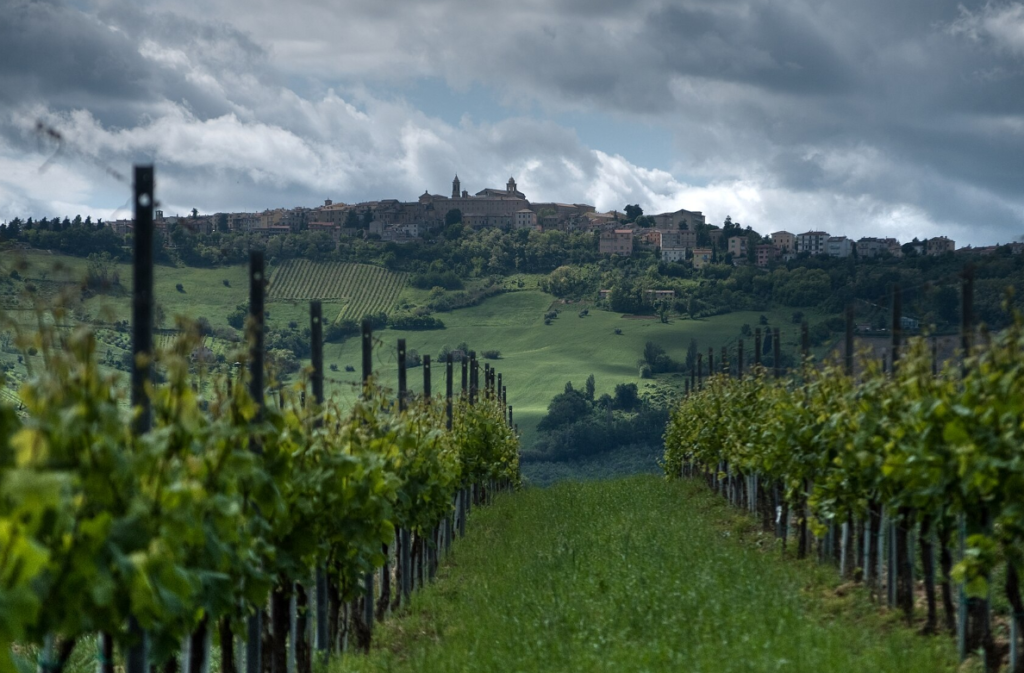
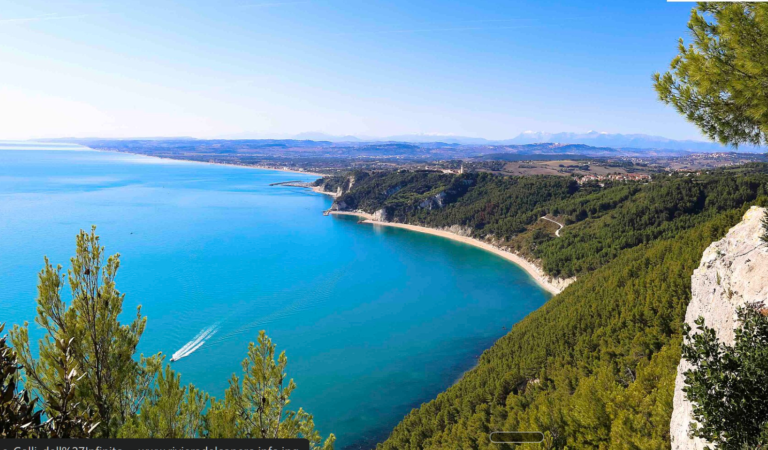
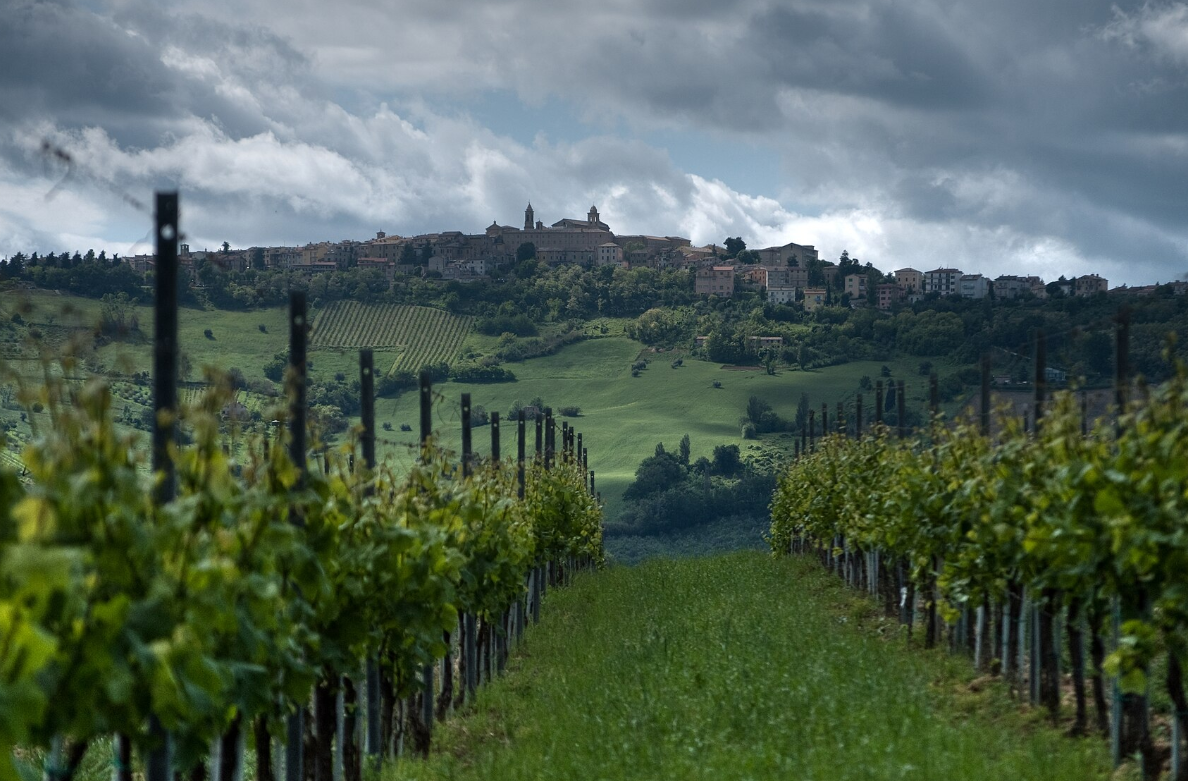
On a hot August afternoon in the hills west of Jesi, where the Esino river cuts a green corridor down toward the Adriatic, a glass of cold Verdicchio tastes like a small argument settled in your favor. There is the lemon, the green-apple snap, the saline edge that comes from vineyards that can feel the sea breeze even twenty miles inland, and then that unmistakable finish of bitter almond that no other Italian white quite delivers. I have poured this wine for American friends expecting something rustic and forgettable, and watched them set the glass down and ask, with real surprise, what it was. The honest answer is that Verdicchio is the white wine the rest of the world keeps mistaking for cheap. It is one of Italy’s greatest native white grapes, it routinely outperforms bottles costing twice as much, and it remains — for reasons that have more to do with marketing history than quality — one of the best values in European wine in 2026.
What is Verdicchio? The essentials
Verdicchio is a white wine grape grown almost exclusively in Le Marche, the central Italian region that faces the Adriatic between Tuscany and the sea. The name comes from verde, “green,” a nod to the greenish tinge the berries keep even at full ripeness and the pale, leaf-green glint you can still catch at the rim of the glass. It produces dry whites built around three things working in tension: bright citrus fruit, a firm spine of acidity, and a bitter-almond bite on the finish that Italians prize and that newcomers learn to love quickly.
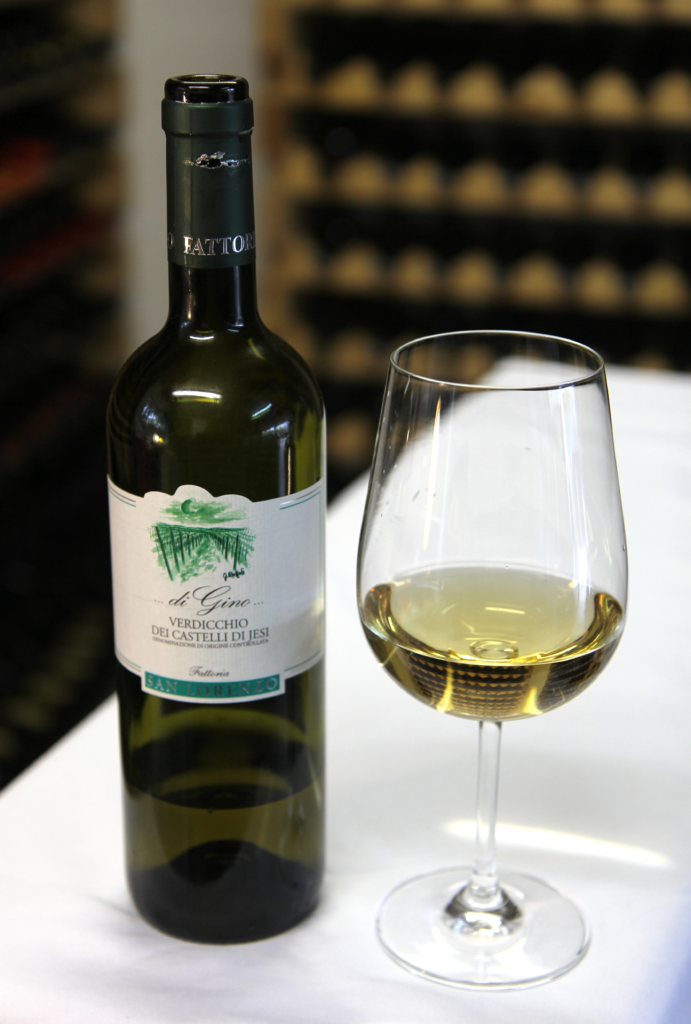
Most of what you will encounter carries one of two appellations. Verdicchio dei Castelli di Jesi comes from the hills around the town of Jesi, in the province of Ancona, and accounts for the overwhelming majority of production. Verdicchio di Matelica comes from a smaller, higher, more inland zone closer to the Apennines, and tends to be leaner and more mineral. Both are made from a minimum of 85 percent Verdicchio under Italian law, with the balance permitted from other regional white grapes.
Origins and history
The grape has been documented in Le Marche for centuries. The first written use of the word “Verdicchio” appears in a 1557 Italian translation of a Spanish agricultural treatise, produced by a scholar from Fabriano, and a notarial document from January 1579 records it again — evidence that by the sixteenth century the link between this grape and these hills was already old news. There is a more colorful legend, too: that when the Visigoth king Alaric marched on Rome around 410 AD, his troops drank barrels of Verdicchio to keep up their strength. The story is unverifiable, but it tells you something about how long this corner of Italy has been associated with the wine.
Here is the detail that genuinely surprises most people, including plenty of Italians. DNA studies have established that Verdicchio is genetically identical to Trebbiano di Soave, the grape grown far to the north near Lake Garda and used to lend acidity to Soave. The most plausible explanation is that Venetian families, repopulating the inland Marche hills after a devastating fifteenth-century plague, brought the vine south with them. A grape that the wine world treats as quintessentially Marchigiano, in other words, may have arrived as an immigrant — which is about as Italian a story as you can tell.
What makes it distinctive
The signature of Verdicchio is its versatility. The same grape gives you a crisp, ten-dollar lunch wine and a structured bottle capable of aging twenty years; it makes traditional-method sparkling wine, it makes sweet passito from dried grapes, and in the right hands it makes some of the longest-lived dry whites in Italy. Ian D’Agata, the most authoritative writer on Italian grape varieties, has called Verdicchio arguably Italy’s greatest native white. What binds every style together is that almond note — green and faintly bitter when the wine is young, deepening toward something closer to marzipan and honey as it ages.
How it’s made
The two great zones owe their differences to soil and distance from the sea, and understanding that is the key to buying well. The Castelli di Jesi vineyards sit on hills of calcareous clay, open enough to the Adriatic that morning breezes blow onshore and afternoon breezes blow back out — constant ventilation that keeps the grapes healthy and the acidity high. The result is generally rounder, fruitier, more approachable wine, drinkable within months of release. Matelica, ringed by the Apennines and cut off from the coast, sits higher and colder on more mineral, marl-rich soil. Its wines ripen later, taste sharper and more vertical, and often need a few years to relax.
Within Castelli di Jesi there is a quality pyramid worth knowing. The base is the everyday Annata, bright and easy. Above it sits Classico, made only in the historic core of the zone, and Superiore, defined by slightly higher alcohol and usually better vineyards. At the top is the Castelli di Jesi Verdicchio Riserva, which earned full DOCG status — Italy’s highest wine classification — in 2010, more than four decades after the wine first became a DOC in 1968. The Riserva must age at least eighteen months, six of them in bottle, before release, and the rules cap vineyard yields and demand a minimum 12.5 percent alcohol. These are not loose guidelines; exceed the yield ceiling by too much and the entire harvest loses the right to the name.
A word on technique, because it explains the wine’s recent leap in quality. For decades, Verdicchio was made the way cheap Pinot Grigio still is — cold fermentation in steel, bottled early, designed to be inoffensive. The producers driving the wine’s renaissance have done the opposite: extended aging on the lees (the spent yeast that lends texture and depth) in concrete or old wood, sometimes flirting with skin contact and amphorae. The wine you find today, if you choose a serious bottle, bears little resemblance to the fish-shaped novelty bottles of the 1970s.
Where to experience it authentically
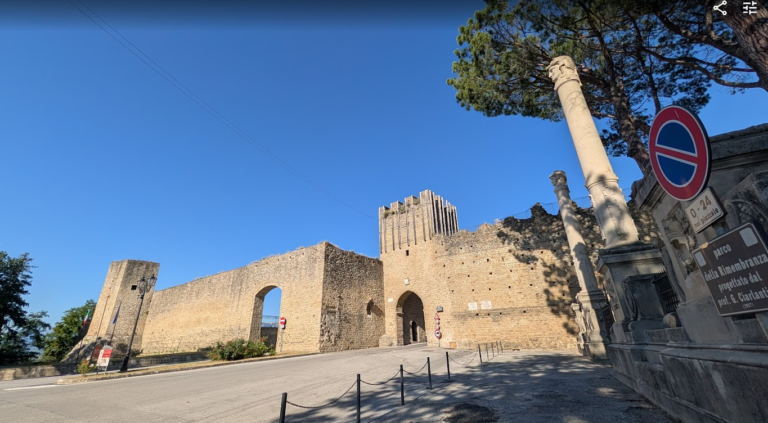
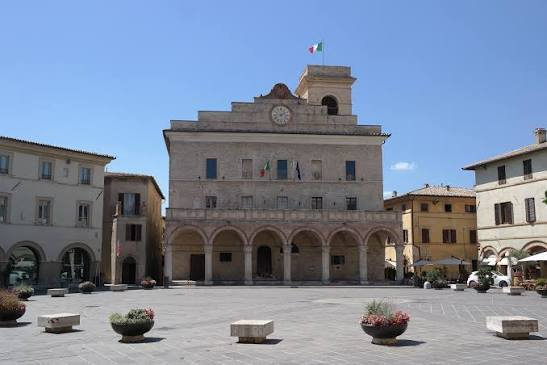
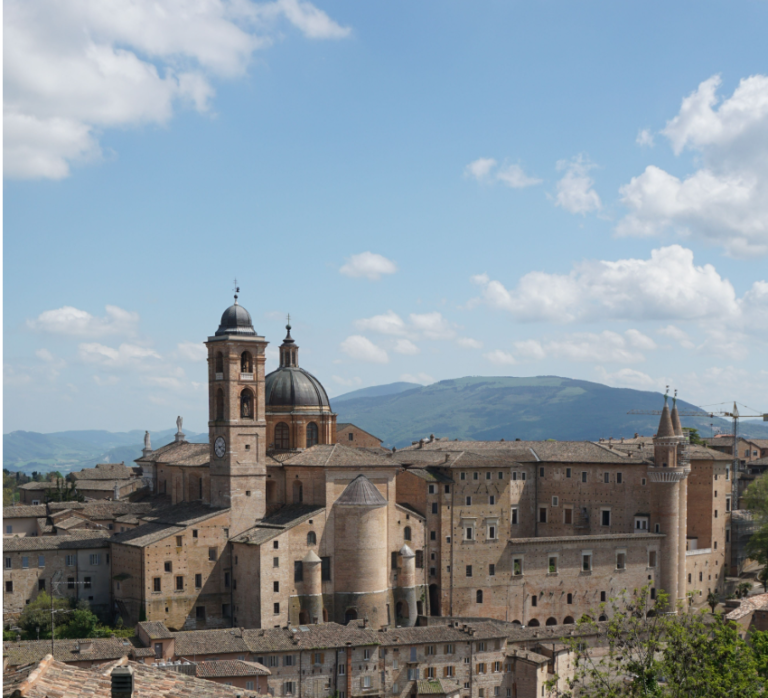
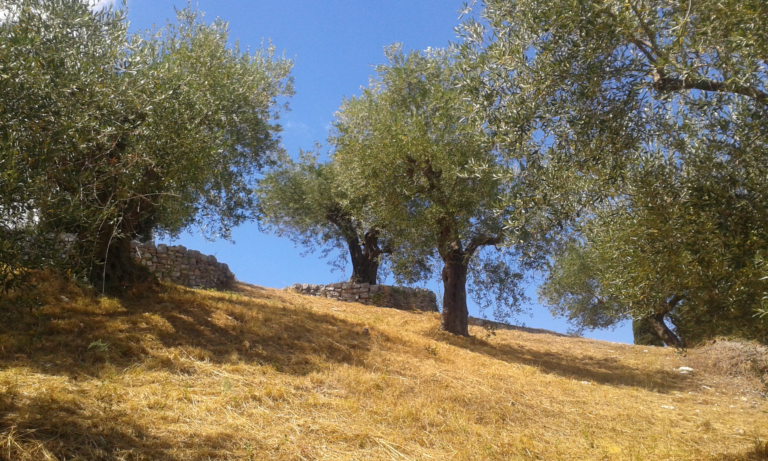
If you are planning a trip, the most rewarding way to meet Verdicchio is in the Castelli di Jesi themselves — a cluster of twenty-five medieval hill towns, the castelli of the name, scattered across the vineyards around Jesi. Towns like Cupramontana, Staffolo, and San Paolo di Jesi sit at the heart of it, and the landscape is precisely what Tuscany was before the tour buses arrived: small-holding vineyards, untrampled hills, the blue Adriatic glinting on the horizon an hour’s drive away. The contrast is the point. A wine writer for Wine Enthusiast recently described being driven here from over-touristed Florence and arriving in what felt like “the anti-Tuscany.” Her Marchigiana guide, asked what she wanted from the trip, said she wanted something quiet, maybe even a little boring. The reply: “You want boring? Buy a house in Le Marche.”
Rather than send you to specific cellars, which change hands and hours, I will point you to the names critics return to year after year — Bucci, Garofoli, Umani Ronchi, Andrea Felici, La Staffa — and to the regional consortium, the Istituto Marchigiano di Tutela Vini, which organizes tastings and maintains current lists of producers open to visitors. The grape also anchors local food festivals through late summer and autumn, the sagre (community food fairs with deep local roots) where you will drink it the way it is meant to be drunk: cold, casual, and beside a plate of fried Adriatic seafood.
The cultural layer
To understand why Verdicchio fell so far below its quality, you have to understand a piece of Italian wine history that the marketing rarely mentions. The grape had real commercial success starting in the 1950s and 1960s, helped enormously by the anfora, the amphora-shaped green bottle that the Fazi Battaglia winery commissioned an engineer to design in 1954. It became an icon of Italy’s postwar economic boom, instantly recognizable on tables at home and abroad. But the bottle ended up doing the wine a disservice. Verdicchio became known as a shape rather than a flavor, a cheerful souvenir rather than a serious drink, and it slid into the bargain bin of Italian whites discussed mostly in the past tense, alongside Soave and Frascati.
The recovery began with a handful of wineries in the late 1980s, after the region had weathered the trauma of Italy’s methanol scandal, who deliberately set out to make the opposite of the old cliché. Concrete, steel, old wood, longer aging, lower yields — the patient toolkit of modern, terroir-honest winemaking. By 2010 the best Riserva wines had earned DOCG status, and today the Castelli di Jesi consortium is moving to put the territory’s name, rather than the grape’s, first on the label — a deliberate bid to be taken as seriously as Chablis or Sancerre. This is the Italian insider’s frustration in a nutshell: the wine quietly became excellent two generations ago, and the world is only now catching up.
Why it beats Sancerre at half the price
Now to the claim in the title, because it is not idle. Sancerre, the benchmark Sauvignon Blanc of France’s eastern Loire, is a genuinely fine wine. It is also the victim of its own fame. Its vineyards sit on steep, hard-to-farm limestone slopes that resist mechanization, it has been a sommelier and critic darling for decades, and scarcity plus relentless demand have pushed prices steadily upward. Wine Spectator advises that you should expect to pay upwards of $30 for a high-quality bottle, and the genuinely good examples climb well past that. You are paying, in large part, for the name and the address.
Verdicchio offers a strikingly similar drinking experience for a fraction of the cost. Both are bone-dry, both run on high acidity, both are built on mineral, citrus-driven profiles shaped by limestone-rich soils, and both are exceptional with seafood. The difference is what they cost: serious, characterful Verdicchio routinely sells in the United States for $15 to $20, often less, which is why sommeliers reach for it as a fridge staple. In a 2026 VinePair survey, one wine professional named Verdicchio his go-to “bang-for-your-buck” white precisely for its coastal minerality, bright acidity, and bitter-almond finish at a price that makes it a daily drinker. And the comparison is not mine alone — a New York wine merchant quoted by Wine Enthusiast put it bluntly, saying the best Verdicchio compares favorably to Sancerre.
“Beats” is a deliberate word, and I will defend it on one specific ground: value. Glass for glass, dollar for dollar, Verdicchio delivers more of what makes a great mineral white worth drinking than Sancerre does at the same price. Where Sancerre offers gooseberry and cut-grass over flint, Verdicchio answers with lemon, ripe orchard fruit, sea salt, and that almond signature — arguably a more food-flexible profile, and unquestionably a better deal. If you love Sancerre, you are not betraying it by drinking Verdicchio. You are simply discovering that the experience you have been paying a premium for is available, in a different accent, for half the money.
Tips for the visiting American
A few practical notes for choosing well, whether you are standing in a Marche enoteca or a wine shop back home. First, read the label for the zone. “Classico” tells you the grapes came from the historic heart of the Castelli di Jesi; Matelica on the label signals a leaner, more mineral, age-worthy style. Second, do not fear a few years of age — quality Verdicchio often peaks seven to ten years after harvest, and a five-year-old bottle can be a revelation rather than a risk. Third, serve it cold but not ice-cold; over-chilling mutes the almond and the texture that distinguish the good bottles from the forgettable ones. And finally, treat it the way the locals do, as a companion to food rather than an aperitif to be rushed through. It was built for the Adriatic table — fried fish, brodetto fish stew, seafood pasta finished with lemon — and it shines brightest there.
FAQ — Understanding Verdicchio
What is Verdicchio? Verdicchio is a dry white wine grape grown almost entirely in Le Marche, on Italy’s central Adriatic coast. It produces crisp, mineral wines marked by citrus fruit, high acidity, and a distinctive bitter-almond finish, and it ranges from inexpensive everyday bottles to age-worthy whites of real complexity.
How does Verdicchio compare to Sancerre? Both are dry, high-acid, mineral-driven whites grown on limestone-rich soil and excellent with seafood. The key difference is price: good Sancerre typically costs upwards of $30, while comparable-quality Verdicchio usually sells for $15 to $20, making it one of the best values in European white wine.
What does Verdicchio taste like? Expect lemon and green apple, a saline or mineral edge, crisp acidity, and a signature bitter-almond note on the finish. Younger wines are bright and citrusy; aged examples develop richer notes of marzipan, honey, and dried fruit.
Is Verdicchio a sweet or dry wine? The overwhelming majority of Verdicchio is dry. Sweet versions exist — a dried-grape passito style, typically more off-dry than truly sweet — but they are a small niche, and the wine’s reputation rests on its dry whites.
What food pairs best with Verdicchio? Seafood, above all. Its acidity and slight bitterness cut through fried fish, shellfish, and rich seafood pastas, and it works well with white meats, fresh cheeses, and vegetable dishes. It was effectively designed for the Adriatic coastal table.
How long does Verdicchio age? Better bottles often reach their peak seven to ten years after the harvest, and Riserva wines can drink well for several years beyond that. Entry-level Annata bottles are meant to be enjoyed young, within a year or two of release.
Where should I go to taste Verdicchio in Italy? The Castelli di Jesi, a cluster of twenty-five medieval hill towns around Jesi in the province of Ancona, is the heart of production. Towns like Cupramontana, Staffolo, and San Paolo di Jesi sit among the vineyards, with the smaller Matelica zone offering a leaner, more mineral style farther inland.
A final note
I am a Marche engineer, not a sommelier, and I came to Verdicchio the way most people from this region do — drinking it cold at family tables before I ever thought about it as a wine with a pyramid of appellations and a DNA controversy. That is exactly why I trust it. Some wines are built to be photographed and collected; Verdicchio is built to be drunk, beside food, by people who are not trying to impress anyone. It happens to also be one of the finest and most undervalued white wines in Italy. The next time a bottle of Sancerre feels like more than you want to spend, reach for the green-tinged one from the Adriatic hills instead. You will not be settling. You will be discovering what Le Marche has known all along.
If you want more stories like this from an Italian insider’s perspective, explore more on Tastes & Wonders of Italy or subscribe to our YouTube channel for video dispatches from around the country.
The people who fall for Verdicchio at the source often end up dreaming of a place among these hills. If you are one of them, I offer foreign buyers an independent property survey — an honest technical assessment of the house before the romance costs you.
—
Written by Mirco Vitellozzi, a structural engineer from Le Marche who writes about Italy from the inside. More essays at Tastes & Wonders of Italy, and short films on YouTube.