Buying Olive Oil in Italy: An Insider’s Guide to the Frantoio
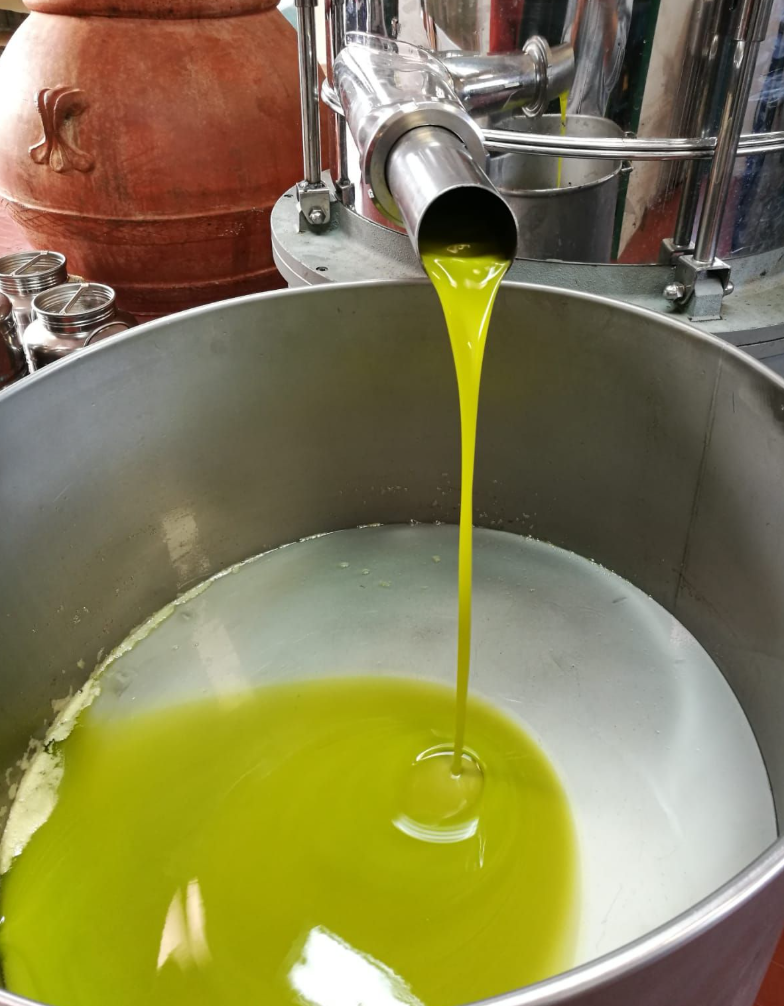
Buying olive oil in Italy directly from a working frantoio is nothing like buying it from a shelf back home. Walk into one of these mills in Le Marche or Umbria between mid-October and December, and the smell hits you first: crushed grass, bitter almond, a trace of green apple. Then comes the noise — a steady mechanical grind that can run from morning past midnight during the busiest weeks of the 2026 harvest. I have stood in that noise more times than I can count, waiting my turn with a crate of family olives, watching a decanter spit out a stream of cloudy, jade-colored liquid. That liquid is oil most visitors to Italy never think to look for, because nobody sells it to them at a hotel gift shop.
Olio nuovo — new oil — is extra virgin olive oil pressed within the current harvest and sold directly at the mill rather than through a retailer. Central Italy’s pressing season runs from roughly mid-October through December, and a liter bought at the frantoio typically costs 12 to 20 euros in an average year, more in a light harvest like 2025’s. Bringing it home to the United States is legal: olive oil is admissible for personal use, though it must travel in checked luggage and be declared at customs.
What “Olio Nuovo” Actually Means
“Olio nuovo” and “olio novello” are the same thing, whatever an enthusiastic label suggests. Neither term has a legal definition in Italy or the European Union. The only classifications that carry real legal weight are extra virgin, virgin, and plain olive oil, set out in Commission Delegated Regulation (EU) 2022/2104. Everything else is trade custom.
That custom is looser than most guidebooks admit. Producers and sommeliers generally treat oil as “new” for up to about four months after milling — later than the thirty-to-sixty-day window many travelers expect. What changes over that stretch isn’t legality; it’s chemistry. Freshly milled oil is cloudy with tiny particles still suspended in it, sharply bitter, and often strong enough to make you cough. By spring, it has settled, mellowed, and lost some of that bite.
The cough is the detail worth understanding. It comes from polyphenols — oleocanthal above all — compounds that also give the oil a documented cardiovascular benefit under an EU-approved health claim, provided the oil carries at least 5 milligrams of hydroxytyrosol and its derivatives per 20 grams. A sharp, throat-catching oil is not a flawed oil. It is often the best evidence you have that the olives were healthy, pressed quickly, and never overheated in the process.
Inside the Frantoio During the 2026 Pressing Season
This is where an engineer’s eye actually earns its keep, because a frantoio is a small industrial plant solving one problem: separate oil from water and solid matter in the shortest time and at the lowest temperature the process allows.
Most Marche and Umbria mills now run continuous cycles rather than the old hydraulic presses. Olives are washed and crushed into a paste, then slowly stirred — the gramolatura stage — before a decanter centrifuge does the separation. The one number every serious miller will quote you is 27°C. Below that paste temperature, the oil qualifies for the reserved label terms “first cold pressing” (traditional hydraulic presses only) or “cold extraction” (modern centrifugal decanters), under Article 5 of Commission Delegated Regulation (EU) 2022/2104. Above it, extraction runs faster and yields more oil, but heat strips out volatile aromatics and some of the polyphenols that make fresh oil worth the trip.
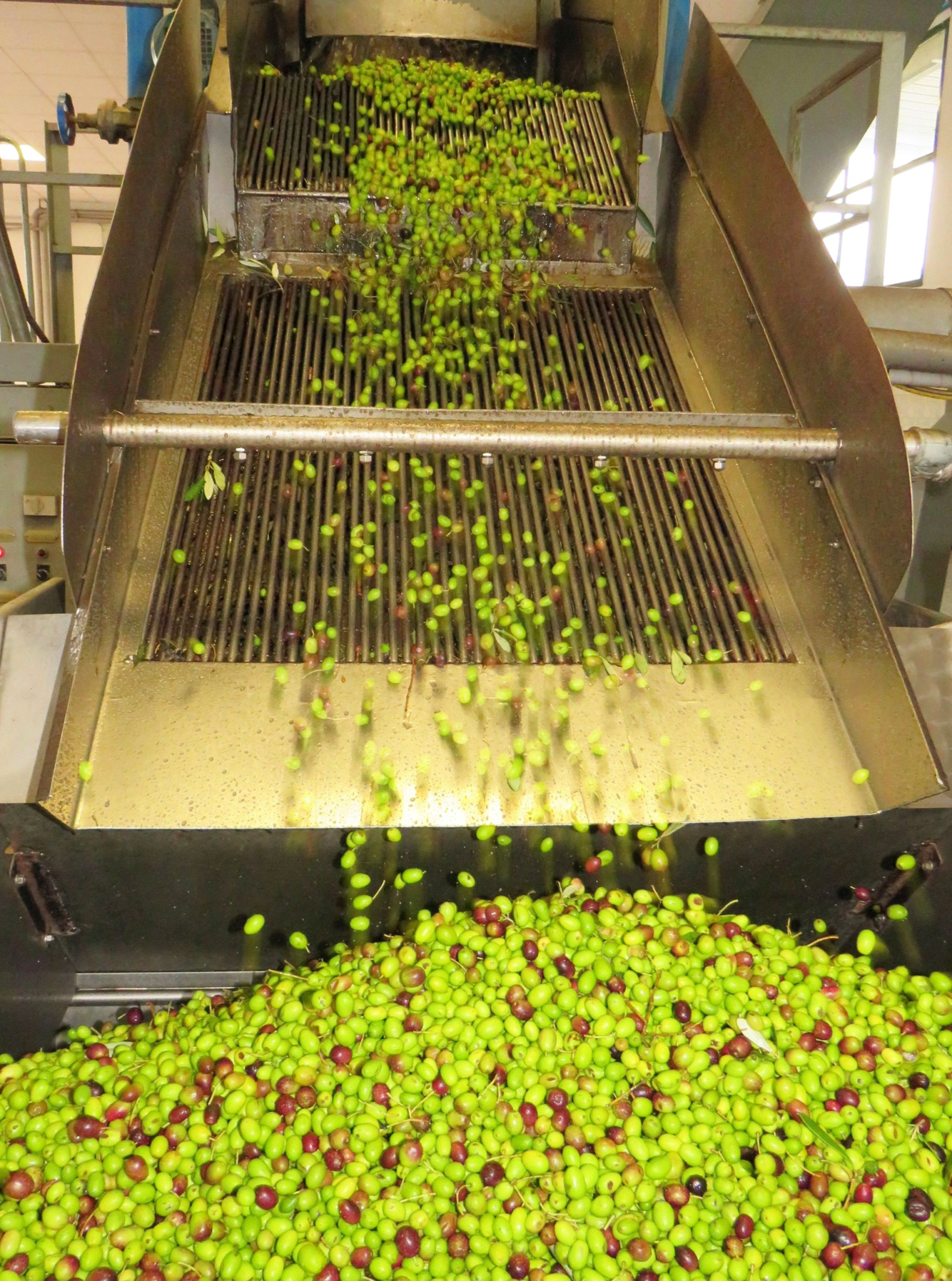
Timing matters as much as temperature. Olives left waiting in crates start fermenting within a day or two, which is why the better mills push for milling within 24 to 48 hours of picking. Ask when the olives on offer were harvested, not just when the oil was bottled.
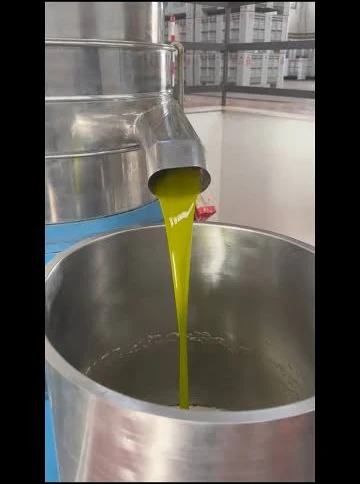
The decanter itself comes in two configurations, and they produce genuinely different oils. A two-phase decanter adds no water during separation, which concentrates polyphenols and produces a more bitter, more pungent oil with a longer shelf life. A three-phase decanter dilutes the paste with water, washing away some phenolic compounds in the process, but it retains more tocopherols and carotenoids and tends to read as rounder and more fruity on the palate. Neither is wrong; they are two different engineering trade-offs, and a good frantoiano will tell you which one produced the oil in front of you.
Then there is acidity, the number that actually defines the category. Extra virgin olive oil must show free acidity — expressed as oleic acid — of no more than 0.8%, under the same 2022 regulation. This is not a taste score. It measures hydrolytic breakdown in the fat itself, the kind that starts the moment a fruit is damaged, over-ripe, or left too long before pressing. A low number tells you the olives were handled well. It does not tell you whether you will like the flavor.
Yield is the last variable, and it explains why prices swing so much from year to year. Central Italian mills typically report extracting somewhere between 12 and 18 kilograms of oil per 100 kilograms of milled olives; a difficult season, like the one much of Umbria and Tuscany faced in 2025, can push that figure into single digits. Fewer kilograms of oil per crate of olives means a higher price at the till, regardless of how good the oil tastes.
How to Read the Label and What to Ask at the Mill
A frantoio label carries less marketing language than a supermarket bottle, which makes it easier to read once you know what to look for. Under EU rules, the mandatory element is the minimum durability date — not the harvest date, which remains optional even though it is the detail that actually matters to a buyer chasing fresh oil. If the harvest year or milling date is missing, ask.
DOP and IGP designations are worth trusting in central Italy: Marche has Cartoceto DOP for a defined area near Fano, and Umbria carries its own regional DOP with five sub-zones, including the Assisi-Spoleto hills. A monocultivar bottle — pressed from a single variety — tastes more distinctive than a blend. Central Italy’s own cultivars include Raggia, Coroncina, and Piantone di Mogliano in the Marche, and Moraiolo, Frantoio, and Leccino in Umbria, each with a different balance of bitterness, pungency, and fruitiness.
Three questions separate a useful frantoio visit from a passive one. First, ask for the harvest date and how many hours passed before milling. Second, ask whether the mill runs two-phase or three-phase extraction, and at what paste temperature. Third, ask to see the lab analysis sheet with the free acidity figure — a mill proud of its oil will usually have it on hand. A frantoiano who answers all three specifically, rather than with a general assurance that the oil is “good,” is the one whose oil you should taste first.
Where to Actually Buy It
Four channels sell fresh Italian olive oil, and they carry different risk and price. Buying straight from the frantoio gets you the freshest oil, the lowest markup, and the chance to taste before you commit, but it usually means visiting during working hours in a rural location with limited English. A spaccio aziendale — a farm shop attached to the mill or estate — offers the same oil on a more tourist-friendly schedule, at a similar price, without needing to catch the mill mid-pressing.
Weekly markets sell oil too, but quality varies more, so ask the same three questions you would ask at the mill. Supermarkets are the least reliable source for anything resembling fresh oil: shelf bottles are typically blends of unknown vintage, priced around 8 to 10 euros a liter nationally, well below what fresh single-estate oil actually costs to produce.
For visitors without an existing contact at a mill, Frantoi Aperti in Umbria opens working frantoi to the public every autumn, with guided tastings built specifically for people who have never set foot inside one before. The 2026 edition runs from October 17 to November 15.
Booking Notes: I looked for a bookable olive-oil-mill tour with verified reviews on GetYourGuide’s Umbria and Marche inventory before writing this section, and at the time of writing I could not confirm a listing that met the review threshold I use for this blog. Similar tours exist through other booking platforms, which suggests GetYourGuide inventory is plausible but not yet confirmed — worth a direct check in the partner dashboard before this article goes live. No affiliate link is included here as a result.
Getting It Home
Getting your bottle out of Italy starts at airport security, and the rule is the same on both sides of the Atlantic: liquids over 100 milliliters — about 3.4 ounces — cannot go through a carry-on checkpoint unless they fit inside a single small, transparent bag. A full-size bottle of fresh oil has to travel in checked luggage. There is no such limit once it is checked, on either the Italian or the American side of your itinerary.
Getting it into the United States is straightforward, if you follow the paperwork. Olive oil is one of the food items U.S. Customs and Border Protection and the USDA generally admit for personal use, and it does not require the FDA’s Prior Notice filing that applies to commercial food shipments, because personal luggage is explicitly exempt from that rule. What you must do is declare it. Every food item goes on the customs declaration form, whether or not you think it will raise a question, because an undeclared item — however innocent — can trigger a fine of up to 10,000 dollars if a CBP officer finds it and you said no. There is no fixed legal cap on the amount for personal use, but a suitcase full of five-liter tins invites questions about whether the import is really personal.
One caveat is often missed: if you buy oil duty-free at an Italian airport and then connect to a domestic flight inside the United States, do not assume the sealed duty-free bag will pass a second security check. The rule allowing sealed duty-free liquids through a U.S. connection exists on paper, but enforcement is inconsistent across airports, and confiscation at the connecting checkpoint is a real risk. If your itinerary includes a domestic connection, pack the oil in your checked bag from the start.
Packaging matters more than most travelers expect. A tin protects the oil from light, which degrades polyphenols over time, but it hides the color that tells you something about the oil’s condition. Dark glass shows that color but is heavier and can break, so wrap it in a layer of plastic, then a garment, and place it at the center of the suitcase rather than against an edge that takes the hardest knocks. As for heat on a summer tarmac: a few hours at 30°C will not spoil the oil the way an online forum might suggest, but repeated heat exposure does accelerate the slow oxidation that eats away at flavor and polyphenols over months. Treat that bottle as something to use within the year, not something to store indefinitely.
What I Would Skip
A few products are worth skipping, and I say this as someone who has tasted plenty of them. Flavored oils labeled “truffle” almost always get their aroma from a synthetic compound, not real truffle, and the word carries no legal protection on an olive oil label the way it does on a jar of actual truffle product — truffle season is worth treating as its own subject entirely, with its own calendar and its own rules. The miniature “welcome” bottles handed out at some airport gift shops are a marketing gesture, not a sample of anything a real frantoio would put its name on. And any label that leans on adjectives instead of a harvest date, an acidity figure, or a cultivar name is telling you it has nothing else to show.
FAQ — Buying Olive Oil in Italy
What is “olio nuovo,” and how is it different from the oil I buy at home? “Olio nuovo” is extra virgin olive oil from the current harvest, sold within months of milling rather than after a year or more on a shelf. It has no separate legal category; the difference is freshness, not classification. Expect a cloudier appearance, a sharper bitterness, and a peppery throat-catch that fades as the oil ages.
When is the best time to buy fresh olive oil directly from a mill in central Italy? The pressing season in Le Marche and Umbria runs roughly from mid-October through December, peaking in November. Frantoi Aperti in Umbria concentrates public-facing events into this window every year, including the 2026 edition, making it the easiest entry point if you don’t already know a producer.
Do I need an appointment to visit a frantoio, or can I just show up? Small family mills often welcome walk-ins outside their busiest pressing hours, but calling or emailing ahead is safer, especially during peak weeks when staff are focused on processing rather than hosting visitors. Farm shops attached to a mill usually keep predictable retail hours and need no appointment.
How much should I expect to pay for good extra virgin olive oil at the mill? Expect roughly 12 to 20 euros a liter in an average year for fresh, well-made oil bought directly, more in a short-harvest year. That compares to about 8 to 10 euros for a generic supermarket blend and well over 25 euros for boutique, competition-grade single-cultivar oils.
How much olive oil can I bring home to the United States? There is no fixed legal quantity cap for personal use, but it must travel in checked luggage, not carry-on, and every bit of it needs to go on your customs declaration form. Very large quantities can prompt questions about whether the import is really personal.
Is it safe to pack olive oil in checked luggage on a long flight? Yes, with basic precautions. Seal the bottle, double-bag it, wrap it in clothing, and place it away from the suitcase’s edges. Heat on a hot tarmac will not spoil it during a normal flight, though repeated heat exposure over time does speed up flavor loss.
How long does fresh olive oil actually stay “fresh” once I get it home? Trade custom treats it as “new” for about four months after milling, but real decline is gradual rather than sudden. Store it away from light and heat, use it within a year of the harvest date, and expect the sharp bitterness to soften noticeably by spring.
The Final Word
Buying olive oil in Italy at the source is less about finding a secret address and more about knowing which questions to ask once you’re standing in front of the tank. Harvest date, extraction method, acidity figure: those three numbers tell you more than any label copy ever will. Come during the pressing season, taste before you buy, and pack it home the way you would any liquid you actually care about.
If you’re planning a stay in central Italy around the autumn harvest and want an itinerary built around it — including a stop in Spoleto, in the heart of the Assisi-Spoleto olive hills — rather than bolted onto it, I offer a 30-minute planning consultation through Tastes & Wonders of Italy.
🌍 https://tasteandwondersofitaly.com/ – 📺 https://www.youtube.com/@TasteWondersofItaly