Le Marche: The Italian Region Where the Mediterranean Diet Was Born (And Still Lives)
When the American physiologist Ancel Keys arrived in southern Italy in the early 1950s, he was looking for an explanation. Cardiovascular disease was killing American men at unprecedented rates, while in certain corners of the Mediterranean — small farming villages where olive trees outnumbered cars and Sunday lunch lasted four hours — men in their seventies were still climbing terraced hillsides to prune their vineyards. Keys spent the next two decades studying these populations, and his Seven Countries Study eventually became the foundational research behind what the world now calls the Mediterranean Diet.
I grew up in one of those corners. I have lived in Le Marche for fifty years and worked here as a civil engineer for thirty, designing buildings, energy systems and renewable plants across a region that most American travelers cannot place on a map. And yet, of the four Italian regions Keys originally surveyed — Le Marche, Campania, Calabria and Sicily — Le Marche is the one where the diet has remained closest to what he documented, largely because the region was bypassed by the post-war industrial boom that transformed Tuscany and Lombardia. The result, today, is something rare: a living version of what the rest of the world studies in cookbooks.
This guide is not a recipe collection. It is an honest look at why this small Adriatic region matters, what you can eat here that you cannot eat properly anywhere else, and how to plan a trip that gets you past the surface.
Why Le Marche Matters in the Story of the Mediterranean Diet
The Mediterranean Diet was inscribed on the UNESCO Representative List of the Intangible Cultural Heritage of Humanity in 2010 — not as a recipe or a meal plan, but as a lifestyle. The UNESCO designation explicitly mentions Italy alongside Greece, Spain, Morocco, Portugal, Cyprus and Croatia, and within Italy the emblematic communities recognized include Cilento in Campania and the area around Pollica. Le Marche has not received a specific UNESCO designation, but in terms of the everyday adherence of its rural population to the dietary pattern Keys documented, the region remains a remarkable case study.
The Numbers That Make This Region Different
A few figures worth sitting with. Le Marche produces extra virgin olive oil from roughly 9,000 hectares of olive groves, yielding around 240,000 quintals per year — modest compared to Puglia, but the region’s groves include some of the oldest documented cultivars in central Italy, including the Raggia and Raggiola varieties used for Cartoceto PDO oil. Organic farming has expanded faster here than the Italian national average: roughly 78,400 hectares are now under certified organic cultivation, a 24 percent increase since 2016. The regional landscape — hilltowns connected by winding roads, small farms, very few large industrial operations — has effectively preserved the food production model that Keys originally studied.
The dietary composition documented in Marche villages during the 1950s now reads like a contemporary nutritional prescription. Grains made up roughly 50 to 60 percent of caloric intake, legumes 3 to 6 percent, total fat (almost all from olive oil) under 35 percent. Meat appeared on the table weekly, not daily. Fish followed the rhythm of the Adriatic fleet, fresh and seasonal. Vegetables and bread were everywhere; processed food, essentially nowhere.
The Daily Life Behind the Diet
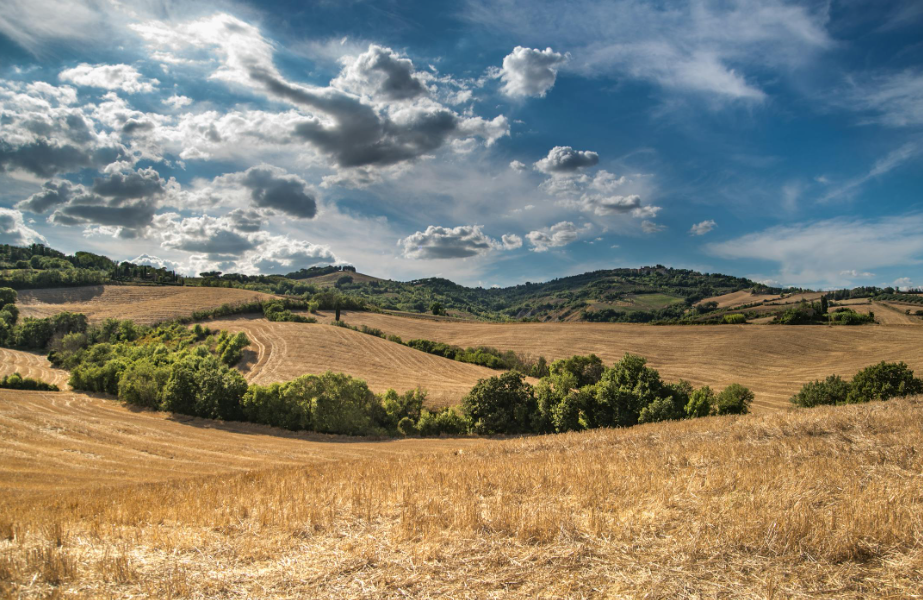
Numbers alone do not explain what made these communities healthy. Walking did. The geography of Le Marche is hilly to the point of inconvenience — every town worth visiting is built on top of a defensible ridge, every shop is a fifteen-minute incline from the next, and farming the terraced slopes was hard physical labor for centuries. Add to this the natural rhythm of foraging — wild herbs in spring, mushrooms in autumn, truffles year-round — and you have a population that ate well, ate plants mostly, and never sat down for long.
I mention this because the part of the Mediterranean Diet that travels worst is precisely this lifestyle component. You can replicate olive oil and grains in Iowa. You cannot replicate four kilometers of uphill walking before breakfast.
The Signature Foods of Le Marche: What to Eat and Where
Several dishes anchor the regional cuisine, and three in particular deserve to be understood before you arrive.
Oliva Ascolana del Piceno DOP — The Most Misunderstood Appetizer in Italy
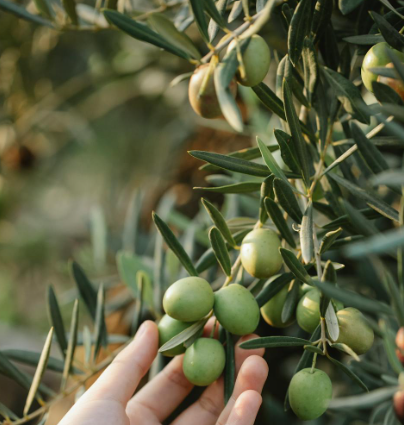
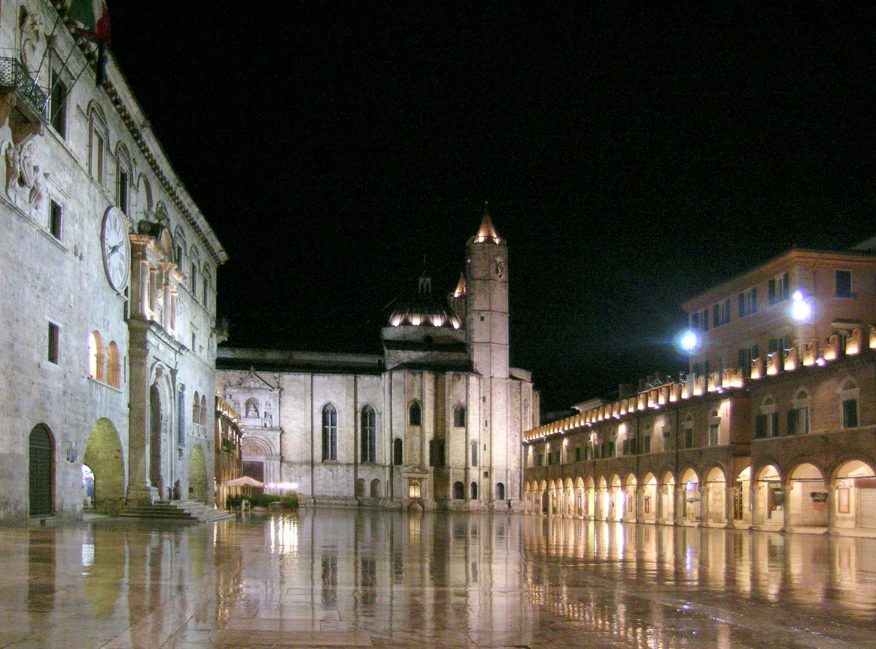
The Olive All’Ascolana is the dish that ruined every Italian restaurant abroad. What you find in New York or London under that name — a large fried olive stuffed with vague meat — bears almost no resemblance to the real thing. The authentic Oliva Ascolana del Piceno carries DOP (Protected Designation of Origin) certification, which means the olives must come from a specific area around Ascoli Piceno, must be of the Ascolana Tenera cultivar, and must be brined according to a method that takes months. The filling is a precise mixture of three meats — pork, beef and chicken — bound with grated cheese, lemon zest and nutmeg, then breaded and fried. They are eaten by hand, usually with a glass of cold Falerio wine, in the dozen, as an aperitivo. Roughly twelve tonnes of certified Oliva Ascolana are produced each year, which is to say almost none — most of what is sold in Italy itself is not DOP certified.
If you eat them only once, eat them in Ascoli Piceno itself, at Caffè Meletti on Piazza del Popolo, where the city’s centro storico (one of the most architecturally complete piazzas in Italy) serves as the room around your plate.
Ciauscolo IGP — The Salami You Spread
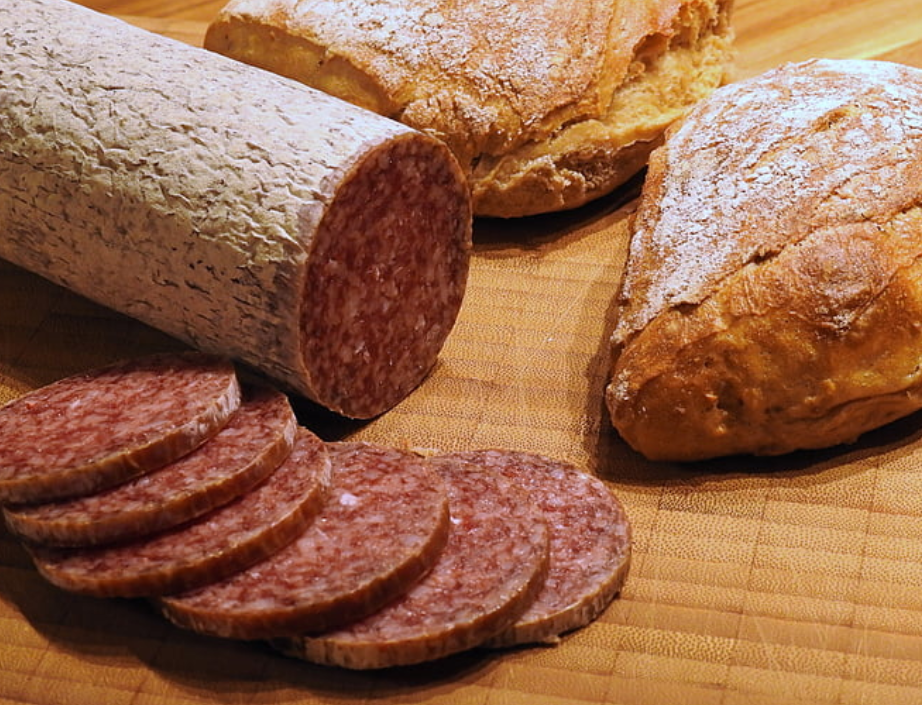
Ciauscolo carries IGP (Protected Geographical Indication) certification and is the most peculiar cured meat in Italian gastronomy: it is soft enough to spread on bread with a knife. The technique comes from the mountain communities of the Sibillini, where pork shoulder is finely ground, seasoned with garlic, fennel, and a wine reduction, then cased and smoke-cured for sixty to ninety days at low temperature. The result is something between a salami and a pâté. You eat it on grilled bread, with a glass of Verdicchio, before any of the meal that follows. American visitors tend to find it strange for the first two bites and then order it again the next day.
Vincisgrassi — The Lasagna That Predates Lasagna (Probably)
Vincisgrassi is the dish that locals will argue about most aggressively. Recipes recorded in Antonio Nebbia’s 1779 cookbook Il Cuoco Maceratese describe a layered baked pasta dish under the name princisgras, predating the standardization of Bolognese lasagna by roughly a century. The Marche version has no tomato. The layers are thin handmade egg pasta sheets, a ragù of chicken livers and offal, mushrooms, sometimes black truffle, and béchamel. The dish takes a full day to prepare and is traditionally served on Christmas and feast days. A serious vincisgrassi tells you almost everything about the region: peasant ingredients, slow technique, a willingness to disagree with neighbors about details.
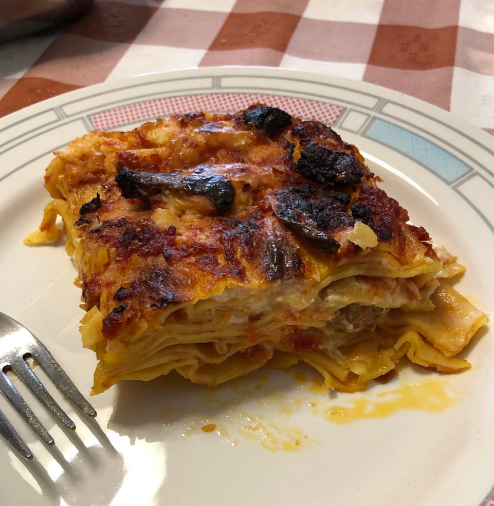
I will write a full article about vincisgrassi in the coming weeks. For now: order it at any trattoria in the province of Macerata, not Ancona, and do not accept the version that arrives swimming in tomato.
The Certified Treasures: 19 PDO and PGI Products
Le Marche holds 19 PDO and PGI designations across food categories — a remarkable number for a region of just 1.5 million inhabitants. The certification system itself deserves a brief explanation, because most American visitors do not realize what they are buying when they pay the premium.
PDO (DOP in Italian, Denominazione di Origine Protetta) is the strictest European certification. Every step of production — from raw material to processing to packaging — must occur within a defined geographical zone, and the production method is codified by law. PGI (IGP in Italian) is somewhat less strict: only one phase of production needs to occur in the designated zone, but the link to the territory must be demonstrable. Both labels are protected under European Regulation No. 1151/2012.
Prosciutto di Carpegna DOP
Carpegna is a small mountain town in the province of Pesaro-Urbino, near the border with the Republic of San Marino, at an altitude where the dry mountain air does the work of curing. Prosciutto di Carpegna DOP is cured for a minimum of twelve months, often eighteen or twenty-four for higher-end batches, and the annual production is roughly 830 tonnes — small enough that you will not find it outside high-end Italian markets. It is sweeter and less salty than its better-known cousins from Parma and San Daniele, and it pairs unusually well with figs and aged Casciotta cheese.
Maccheroncini di Campofilone PGI
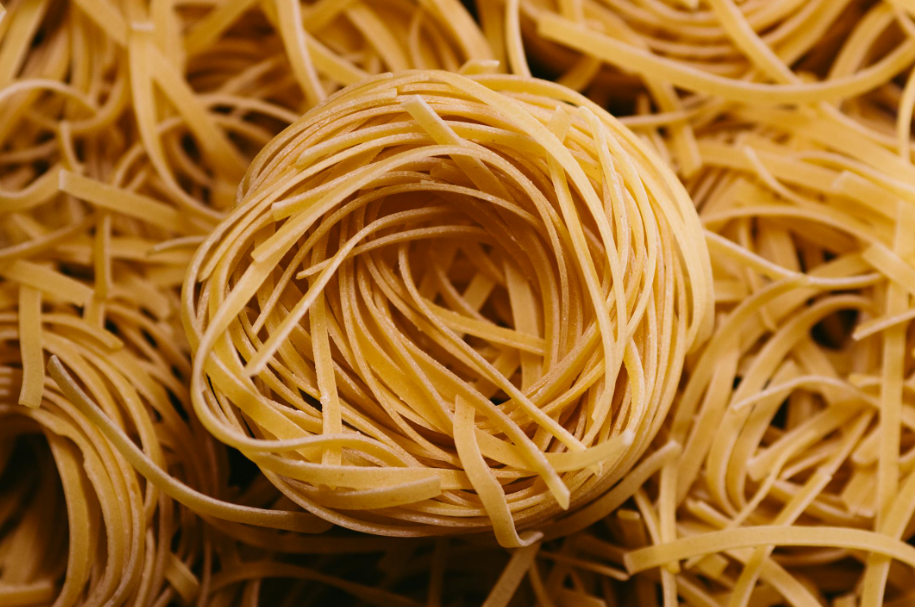
This is the pasta you have not heard of and should have. Made by hand in the town of Campofilone (Fermo province), the pasta sheets are rolled to a thickness of just 0.3 to 0.7 millimeters before being cut into strands as thin as angel hair. The reason for the thinness is functional: at that gauge, the surface area-to-volume ratio is roughly three times higher than standard tagliatelle, which means the sauce adheres dramatically better. The annual production is around 86 tonnes — almost all of it consumed within central Italy. The traditional preparation is with a simple meat ragù or with truffle butter. Anything heavier overwhelms the pasta.
Casciotta d’Urbino DOP
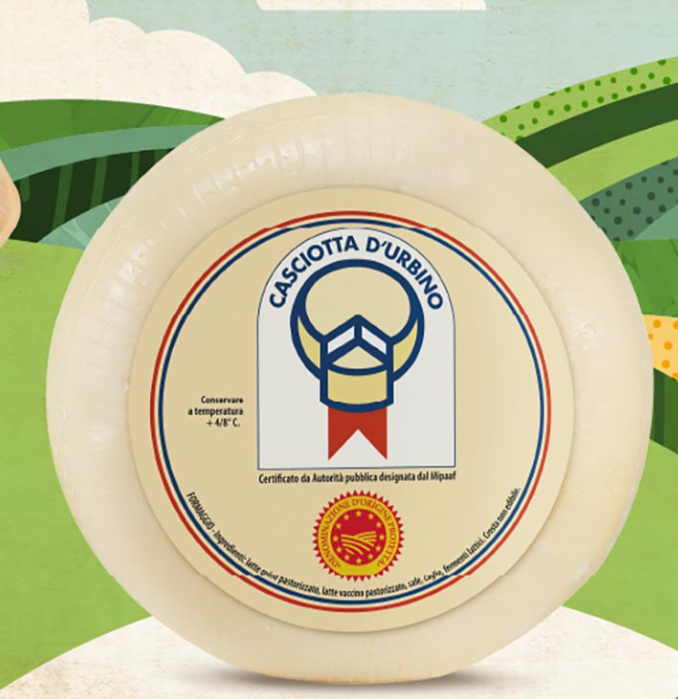
A blend of sheep’s milk (75 to 80 percent) and cow’s milk, Casciotta d’Urbino is the cheese that Michelangelo himself reportedly bought in quantity — a documented detail that gives the marketing materials something to lean on. The cheese is soft, creamy, slightly tangy, and aged for only twenty to thirty days. The Consortium produces about 200 tonnes a year. It is the cheese to eat with a slice of crescia (the local flatbread, lighter than focaccia) and a glass of red Rosso Conero.
Verdicchio and Cartoceto: The Liquid Foundations
Two products above all others define what is on the Marche table.
Verdicchio dei Castelli di Jesi DOC
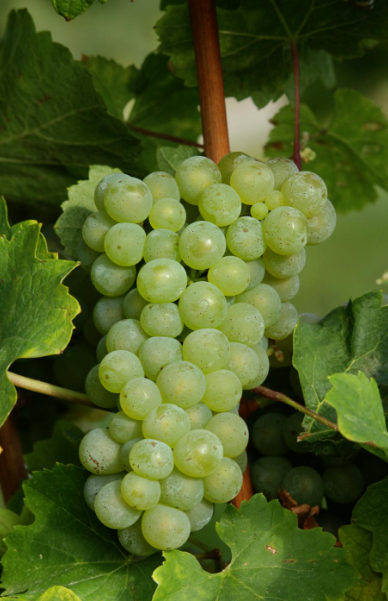
I have made the argument elsewhere that Verdicchio is the most underrated white wine in Italy, and I stand by it. The grape itself is indigenous and has been cultivated in the hills around Jesi (province of Ancona) since at least the fourteenth century. The DOC zone covers roughly twenty municipalities, the soils are limestone-rich, and the wine produced is mineral, crisp, citrus-driven in its youth, and surprisingly capable of aging — the riserva versions develop honey and almond notes after five to seven years. Annual production within the DOC is significant, with a regional turnover of roughly 13 million euros.
In American distribution, Verdicchio dei Castelli di Jesi sells in the United States at $15 to $25 a bottle, which compared to Sancerre at $30 to $50 is something close to an injustice. Drink it with grilled Adriatic fish, with brodetto, with Olive all’Ascolana — it can handle all of it.
Cartoceto DOP Extra Virgin Olive Oil
Cartoceto is a small town in the province of Pesaro-Urbino with a population under 8,000, and it produces an extra virgin olive oil so distinctive that it received its DOP certification in 2004 — the first oil from Le Marche to receive the designation. The cultivars are Raggia (50 percent minimum), Raggiola, Frantoio and Leccino. The oil is cold-pressed, with mandatory acidity below 0.5 percent (stricter than the European DOP minimum of 0.8 percent). The annual certified production is tiny — around 12 to 13 tonnes — which makes Cartoceto more of an artisan product than a market commodity. It carries pronounced bitter and pungent notes, the hallmarks of high polyphenol content, and works best on grilled vegetables, white meat, and crescia. Drizzle it on Verdicchio-poached fish and you will understand why Keys spent so much time here.
The Forager’s Paradise: Truffles and Wild Ingredients
The town of Acqualagna, in the Furlo Gorge area, produces roughly thirty percent of all Italian white truffles (Tuber magnatum) by volume. The annual National White Truffle Fair runs from late October through November and is one of the more authentic food festivals in central Italy — meaning that most attendees are Italian, prices are reasonable, and the truffles you see are real (not all truffle fairs can claim this). Outside the fair season, truffle hunting is possible from October to December for white truffles and through most of the rest of the year for various black varieties. The truffle dogs are central to the experience, and guided hunts can be arranged through the Acqualagna tourism office or via independent tartufai.
Wild ingredients beyond truffles define the kitchen as well. Brodetto, the Adriatic fish stew, is traditionally made with thirteen species of fish — one for each of Christ’s apostles plus Jesus, in the local Catholic reading. There are at least five distinct regional variants of brodetto along the Marche coast, each town defending its own as the authentic version, and arguing about it loudly is part of the cultural experience.
A Pragmatic 4-Day Itinerary for the Food-Curious Traveler
For an American traveler with a week in central Italy and an interest in food culture, here is a realistic Marche itinerary that I would recommend without hesitation.
Day 1 — Ancona and the Conero Riviera. Arrive in Ancona, the regional capital (Italian Capital of Culture in 2028, incidentally), check in to a hotel in the centro storico, and have dinner in nearby Sirolo on the Conero peninsula. Order brodetto, drink Rosso Conero, sleep with the sound of the Adriatic outside the window.
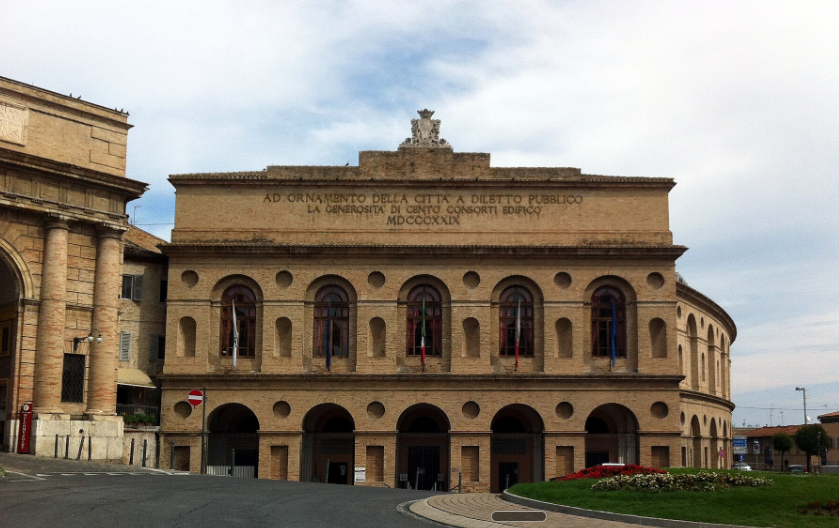
Day 2 — Macerata and Sferisterio. Drive inland to Macerata, my own hometown, in the morning. Visit the Sferisterio (the open-air opera arena, which during late July and August hosts one of Italy’s most underrated opera festivals), lunch at a trattoria serving vincisgrassi, afternoon to wander the small but beautifully preserved historic center.
Day 3 — Ascoli Piceno and the South. Drive south to Ascoli Piceno, one of the most architecturally complete medieval cities in Italy. Lunch on Olive all’Ascolana at Piazza del Popolo, visit the Romanesque churches, dinner with a glass of Falerio wine.
Day 4 — Urbino, Carpegna and the North. Move north to the province of Pesaro-Urbino. Spend the morning at the Palazzo Ducale in Urbino (the Renaissance palace of Federico da Montefeltro, holding one of the most important art collections in central Italy), drive into the mountains for lunch in Carpegna with the prosciutto and the casciotta, end the day in Cartoceto with a tasting at one of the certified oil producers.
This is a working itinerary, not a marketing pitch. You will eat better in these four days than in most weeks in Tuscany, and you will pay roughly half as much.
Practical Information
When to visit. Le Marche is at its best from May to mid-July and from September to mid-November. August is hot, crowded on the coast and emptied inland (most Italians are away). Winter is quiet but cold; truffle season (late October-November) is the connoisseur’s window.
How to get here. The closest international airport is Ancona-Falconara (AOI), with limited European connections. Most travelers arrive via Rome-Fiumicino (FCO) and rent a car for the 2.5-hour drive east, or take a train from Rome Termini to Ancona Centrale (about 3.5 hours). A car is essential for visiting the smaller towns and rural producers.
Where to stay. Agriturismi (working farm B&Bs) are the most authentic option and the easiest to find at all budget levels. Boutique hotels in the historic centers of Ancona, Macerata, Urbino, Ascoli Piceno and Senigallia are abundant.
What to budget. Le Marche is meaningfully cheaper than Tuscany. Expect 80-150 euros per night for a quality double room, 35-60 euros per person for a multi-course dinner with wine, 15-25 euros for a Verdicchio bottle directly from a producer.
Internal links to explore further (forthcoming articles on this blog). I am building a dedicated cluster of articles on Le Marche over the coming weeks, including individual deep dives on Ancona as 2028 Capital of Culture, Urbino’s Palazzo Ducale, the Frasassi Caves, Ascoli Piceno, Verdicchio, vincisgrassi, brodetto, Acqualagna truffles, the Sibillini Mountains, and a personal essay on my hometown of Macerata. The pillar Marche page will go live by end of July.
FAQ
Why is Le Marche so closely associated with the Mediterranean Diet? Le Marche was one of the four Italian regions surveyed by Ancel Keys in the Seven Countries Study during the 1950s. Of those four, it has remained closest to the original dietary pattern documented at the time, largely because the region missed the post-war industrialization that transformed much of Italy.
What are the must-try dishes when visiting Le Marche? Three dishes anchor the regional cuisine: Olive all’Ascolana del Piceno DOP (stuffed fried olives from Ascoli), Ciauscolo IGP (the spreadable salami from the Sibillini mountains), and Vincisgrassi (the regional ancestor of lasagna, made with chicken liver ragù and béchamel, no tomato).
Is Verdicchio really comparable to Sancerre? At a fraction of the price, yes. Verdicchio dei Castelli di Jesi is mineral, crisp and citrus-driven, with a capacity for aging that surprises most first-time tasters. The wine sells in the United States at roughly half the price of equivalent-quality Sancerre or quality Chablis.
When is truffle season in Acqualagna? White truffle season runs from late October through mid-December, with the National White Truffle Fair in Acqualagna held over multiple weekends in late October and November. Various black truffle varieties are available through most of the rest of the year. Guided hunts can be arranged year-round through local operators.
How do I get to Le Marche without renting a car? Trains connect Rome-Termini to Ancona-Centrale in about 3.5 hours, and the regional rail line runs along the Adriatic coast linking Senigallia, Ancona, Civitanova and Ascoli. However, the inland towns (Macerata, Urbino, Ascoli, Cartoceto, Carpegna) are reachable only by car or by infrequent regional bus. For a serious food itinerary, a rental car is essentially required.
Is Le Marche suitable for first-time visitors to Italy? It depends on the traveler. First-time visitors who want Rome and Florence first will find Le Marche better suited to a second or third trip. But first-time visitors who specifically want to avoid mass tourism, who care about food more than monuments, or who travel with children will find Le Marche unusually welcoming and unusually affordable.
Are there any UNESCO World Heritage sites in Le Marche? Yes — the Historic Center of Urbino is a UNESCO World Heritage Site (inscribed 1998), recognized for its Renaissance urban planning under Federico da Montefeltro. Additionally, the Frasassi Caves, while not UNESCO-designated, are among the largest and most geologically significant cave systems in Europe.
Can I book a Mediterranean Diet cooking class with a local nonna? Yes. Several agriturismi across the region offer cooking experiences with local home cooks, particularly in the province of Macerata and the hills around Urbino. Half-day classes typically cost 70-100 euros per person, including the meal.
Have a question about visiting Le Marche, or want help planning a trip that goes beyond the standard Italy circuit? I take a limited number of one-on-one consultations each month. Book a 45-minute call at tidycal.com/mircovitellozzi.
Sign up for the monthly newsletter to receive new Marche articles as they go live, plus a free PDF: “The Hidden Marche: A 7-Day Slow Travel Itinerary from an Italian Engineer.”