Pescaturismo in Italy: How to Tell a Real Fishing Trip from a Tour Boat
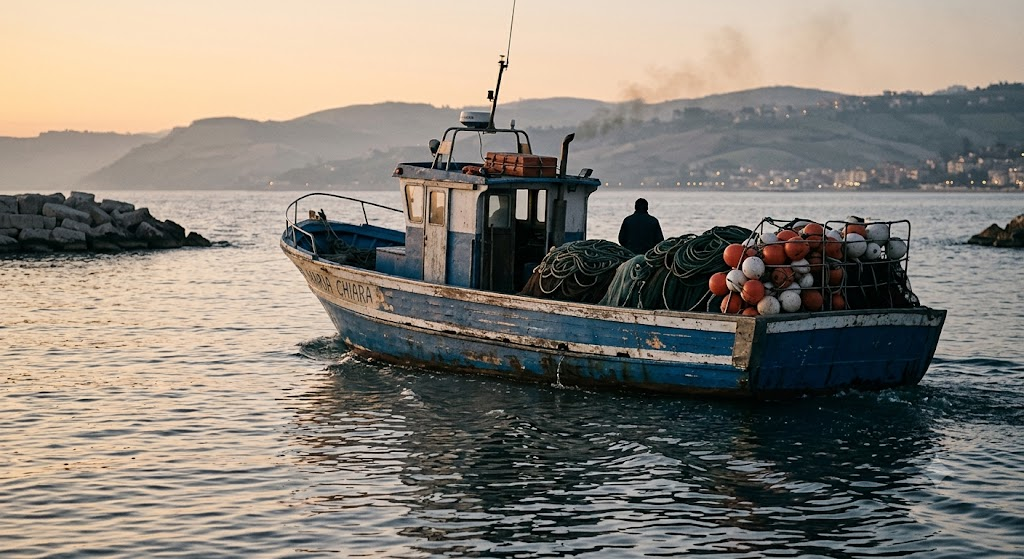
Pescaturismo in Italy starts at 4:40 a.m., long before the tour boats stir. In San Benedetto del Tronto, on the Adriatic coast of Le Marche, a single bulb lights the quay at Banchina di Riva Nord.
A fisherman checks the nets he set the evening before. He does not wave. He nods once and points at the gunwale.
The air smells of diesel, salt, and last night’s bait. Nobody hands out life jackets with a smile here. This is a real fishing day, not a performance for visitors.
A handful of paying guests get to come along. That distinction is the whole story of pescaturismo in Italy.
What Pescaturismo in Italy Actually Is
Pescaturismo in Italy is a licensed fishing trip, not a tourist cruise. Italian law treats it as an activity connected to professional fishing. A fisherman with a valid license takes a small number of paying passengers out on his working boat.
Guests watch or help haul the nets, then usually eat the catch on board. In fact, a charter skipper without a fishing license cannot legally call the outing pescaturismo.
The person steering the boat is a professional, not a tour guide. He fishes for a living, and pescaturismo is his side income on a slow week. That single fact changes the whole day. The schedule bends around real fishing conditions, not around your itinerary.
Italy did not invent pescaturismo to entertain visitors. Regulators created it to ease pressure on fish stocks. Small-scale fishermen earn less every year, so the law gave them a second income instead of pushing them to fish harder.
In other words, pescaturismo in Italy is conservation policy wearing a vacation disguise. Few travelers realize that a morning at sea also supports lighter fishing pressure on the Adriatic.
The Rules That Tell You It’s Real
Three pieces of Italian law govern who can legally run a pescaturismo trip. Article 27-bis of Law No. 41 of February 17, 1982, created the activity. Ministerial Decree No. 293 of April 13, 1999, still governs how it works today.
Legislative Decree No. 4 of January 9, 2012, later amended by Law No. 134 of August 7, 2012, folded pescaturismo into Italy’s broader fishing reform. The Regione Marche’s official pescaturismo and ittiturismo page lists the current texts in full.
Only a licensed fishing enterprise can legally run these trips. A boat owner without a fishing license may still carry passengers, but he cannot call it pescaturismo.
The rules also cap the range. Boats must stay within three nautical miles of the coast, inside their own maritime compartment, a boundary defined under the 2012 fishing reform.
Gear matters too. Traditional nets and lines are allowed. Trawling and purse-seine fishing are not.
The local harbor master’s office, called the Capitaneria di Porto, issues the license. Not the town hall, and not the regional government. One more rule protects the fishermen themselves: pescaturismo can never become their main source of income.
Before you book, ask one direct question: is this boat licensed for pescaturismo? A real operator answers without hesitation.
Pescaturismo vs Ittiturismo: Two Words, Two Different Days
Pescaturismo and ittiturismo sound alike, but they describe two different days. Pescaturismo happens on the water. You board a working fishing boat and stay there for the trip.
Ittiturismo happens on land instead. The same licensed fishermen open their homes or dockside spaces for meals, tastings, or short courses on their trade.
English-language guides often blur the two together. That confusion matters, because it changes what you actually book. A pescaturismo listing puts you on a boat before sunrise. An ittiturismo listing seats you at a table.
Le Marche: Where the Boats Still Go Out
Le Marche runs the most organized pescaturismo network on this stretch of coast. Under Regional Law No. 33 of October 3, 2019, the region keeps an official register of licensed operators.
As of its last update, the register listed twelve authorized boats. Six of them were based in Numana, on the Riviera del Conero. That concentration makes the Conero coast the region’s de facto pescaturismo capital.
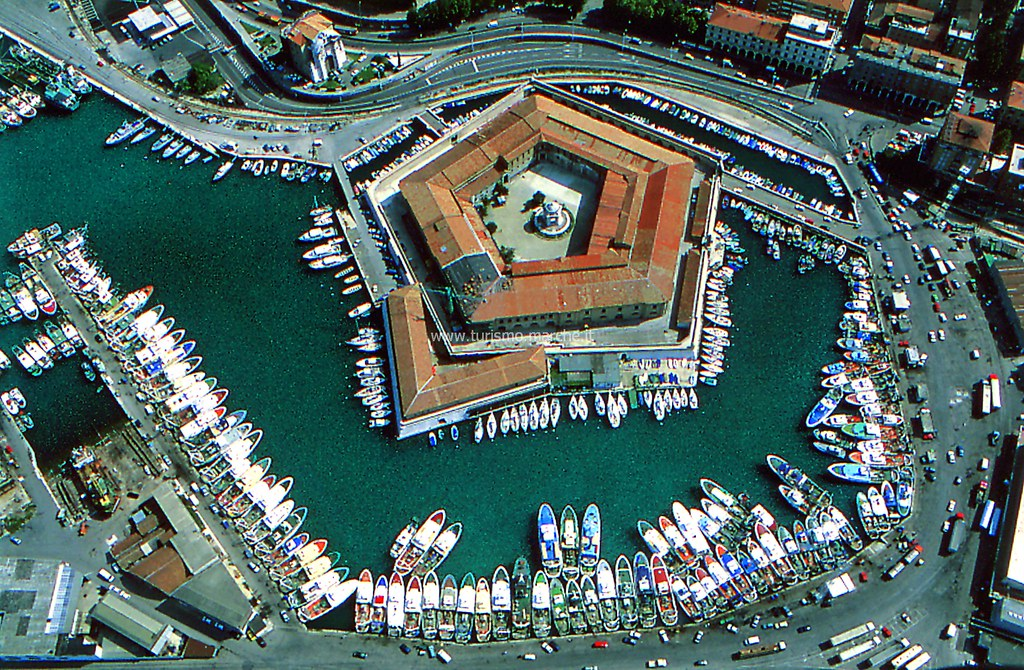
Numana and the Riviera del Conero
Numana sits below limestone cliffs that drop straight into the Adriatic, near the Due Sorelle rock formations. Registered boats here run between roughly seven and fourteen meters. They carry anywhere from four to twelve passengers, according to the regional list.
San Benedetto del Tronto
San Benedetto del Tronto tells a different story. This is a working fishing port first, with its own wholesale fish market. At lunch, a bowl of brodetto alla sambenedettese — the local fish stew, thickened with the day’s mixed catch — is usually waiting.
The Voltattorni family has fished this stretch of the Adriatic for five generations. Their boat, the Nicola Andrea, runs licensed pescaturismo trips out of San Benedetto’s port.
The Small-Boat Alternative
A smaller, more artisanal version exists too. The Consorzio Piccola Pesca organizes short outings on the region’s smallest boats, the kind built for one or two fishermen rather than day-trippers.
Departures have historically run from San Benedetto del Tronto, Grottammare, Pedaso, and Porto San Giorgio, roughly between April and October. Expect a couple of hours at sea, not a full day.
I have lived in Le Marche for most of my life. I have eaten brodetto at a fisherman’s own table more than once, and it never tastes the same in a restaurant fifty kilometers inland.
If this coast interests you, I have also written about Le Marche as the region where the Mediterranean diet was born. I have also covered Cingoli, the hill town voted Italy’s most beautiful village, just inland from this same coast.
Abruzzo: Nets, Trabocchi, and a Coast Like Nowhere Else
From Ortona and Vasto
Abruzzo’s pescaturismo boats leave from two main ports: Ortona and Vasto. From Ortona’s Mandracchio harbor, boats head out, haul the nets, then turn south along the coastline.
From Punta Penna, in Vasto, the route runs the other way. Either trip usually ends with a swim and an onboard lunch, built around whatever came up in the nets that morning.
The Trabocchi, and a Warning About Charters
The coastline itself is the real draw. A trabocco is a wooden fishing machine built on stilts over the water, designed to lower long nets without a boat. The poet Gabriele D’Annunzio wrote about them more than a century ago.
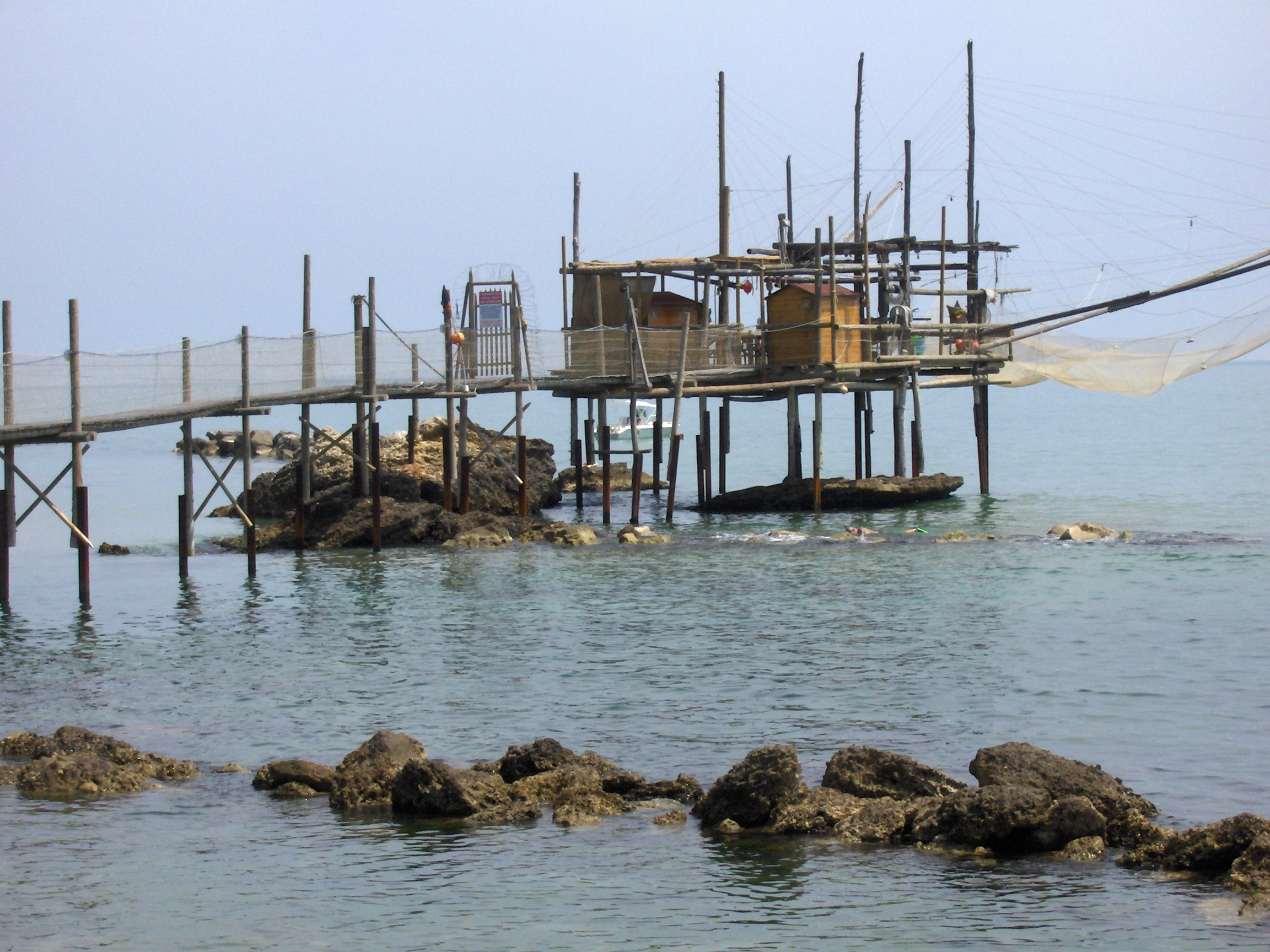
Many trabocchi still stand along this shore today. A good number now operate as restaurants instead of fishing platforms.
Historically, a pescaturismo outing here has run somewhere between 35 and 60 euros per person, depending on the time of day and the season. Treat that figure as an order of magnitude, not a quote, and confirm current pricing directly with the operator.
The FLAG Costa dei Trabocchi, a local fisheries development group, keeps a directory of licensed operators. It lists Flying Fish Pescaturismo in Ortona, along with boats based in Rocca San Giovanni’s Vallevò hamlet and in Vasto’s harbor.
One warning is worth repeating. Much of what gets marketed along this coast as a boat experience is a private charter with a hired skipper, not pescaturismo. Charters can be enjoyable, but they run under different rules, without a fishing license behind them.
Molise: The Region That Almost Doesn’t Have It
Molise barely has a pescaturismo industry, and that is worth saying plainly. The region has one significant fishing port, in Termoli, and a small fleet built mostly around small-scale fishing and trawling.
I found no public regional register of licensed pescaturismo operators here, unlike in Le Marche or Abruzzo.
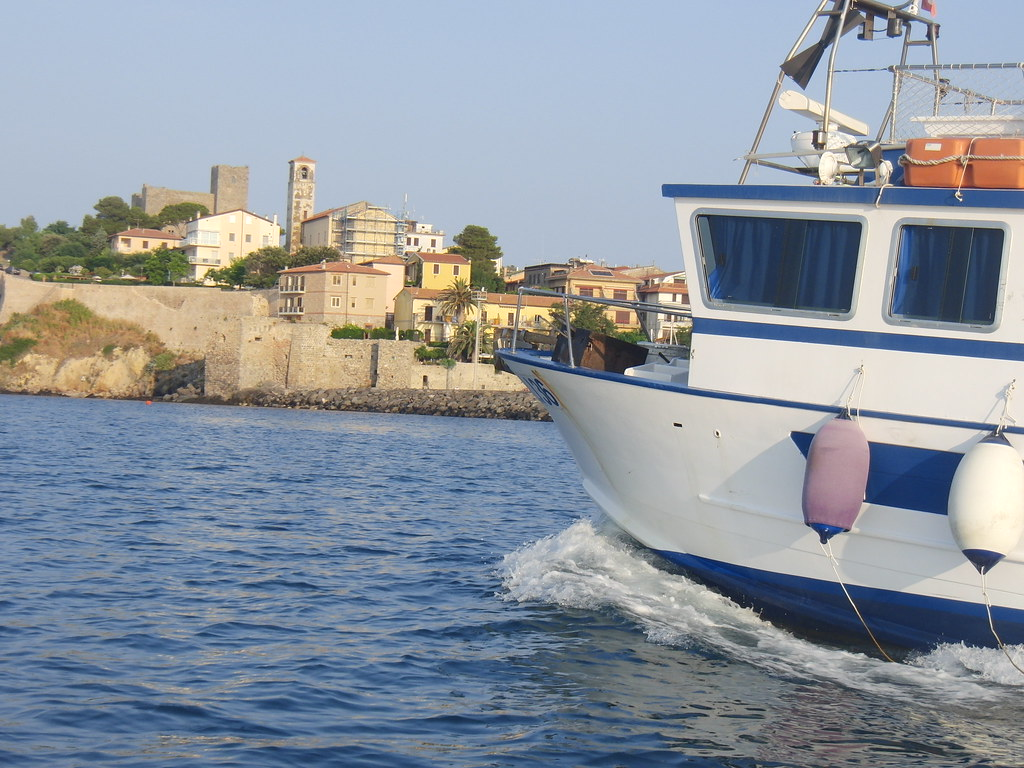
What does exist is ittiturismo. In Termoli, the fishing cooperative behind Pesce Nostrum runs boat visits, tastings built around local Termolese cooking, and short courses on net-mending.
A regional development plan launched in 2026 by the GAL Mare Molise Costiero aims to grow this side of the industry over the coming years.
So why bother with Molise at all? Because its old town sits on a cliff straight over the Adriatic, wrapped in defensive walls. Because Termoli claims one of Italy’s narrowest alleys, A Rejecelle, just 41 centimeters wide.
Because ferries to the Tremiti Islands leave from here. And because almost no foreign traveler has heard of any of it yet.
When to Go, and What a Day on Board Really Looks Like
Pescaturismo season in Italy generally runs from April through October. September and October often work best. The sea is still warm, the boats are less booked, and the catch reflects the season instead of the summer rush.
Departures happen at dawn or in the late afternoon, almost never at midday. Every outing depends on the weather, too.
Operators reschedule or cancel when the sea turns rough. Build a buffer day into your itinerary if you can. Real boats carry small groups, typically four to fifteen people, not busloads.
A few practical notes before you book:
- Bring sunscreen, a hat, and shoes that can get wet.
- Skip heels, dressy clothes, and anything you would mind losing to the sea.
- Expect no bathroom with a shower, no audio guide, and no printed menu.
- If you are prone to motion sickness, take precautions the night before. Open water on a small boat feels different from a ferry.
Frequently Asked Questions
What does pescaturismo mean?
Pescaturismo means “fishing tourism” in Italian. It describes a licensed fishing trip that lets paying guests join a professional fisherman on his working boat, rather than a tour built for tourists from the start.
Is pescaturismo the same as a boat tour?
No. A boat tour usually runs on a charter boat with a hired skipper. Pescaturismo runs on a licensed fishing vessel, operated by a fisherman with an official permit from the Capitaneria di Porto, Italy’s harbor master’s office.
Do I need a fishing license to go on a pescaturismo trip?
No. The fisherman holds the license, not the guests. Passengers can watch, help haul nets, and sometimes try a line, all under the crew’s supervision.
Can children come on board?
Many operators welcome children, though policies vary by boat and by age. Ask directly before booking, since small working boats have limited space and no dedicated safety gear for very young children.
How much does pescaturismo cost in Italy?
Prices vary by region, boat size, and season, and they change from year to year. As a rough guide, short outings on small boats have historically run in the tens of euros per person, with longer trips costing more.
What is the difference between pescaturismo and ittiturismo?
Pescaturismo happens at sea, aboard a licensed fishing boat. Ittiturismo happens on land, where the same fishermen offer meals, tastings, or short courses tied to their trade.
Is pescaturismo available in winter?
Rarely. Most operators run from spring through fall, when weather and daylight favor early departures. Winter conditions on the Adriatic can be too rough for a passenger trip.
The Takeaway
Book pescaturismo in Italy the way you would book anything run by a working professional: directly, with real questions, and with some flexibility built in. Ask about the license. Ask about the boat’s size.
Expect a working morning, not a photo opportunity. You will leave with a better one anyway.
Le Marche offers the most established network on this coast. Abruzzo pairs the experience with its trabocchi. Molise rewards travelers willing to go where almost no guidebook does.
Are you planning a trip to central Italy’s Adriatic coast? If you want help telling a real pescaturismo outing from a private charter, you can reach me directly through the site.
🌍 https://tasteandwondersofitaly.com/ – 📺 Tastes & Wonders of Italy on YouTube