Italian Flatbreads: Piadina, Crescia, and the Pizza Myth
Over a bed of embers in a Marche farmhouse kitchen, a disc of dough sits on a terracotta slab and starts to blister. There is no yeast smell in the air. No long rise happened behind the scene. Someone flips the disc with bare fingers, waits two minutes, and flips it again. Ten minutes later, it gets folded around ham and soft cheese and handed over, still too hot to hold. This is the world of Italian flatbreads, and almost none of it behaves the way pizza does.
Italian flatbreads split into two families that share little beyond their round shape. Pizza uses a yeast-leavened dough, built for a blazing oven and a ninety-second bake. Piadina, crescia, and torta al testo use unleavened or barely leavened dough, built for a hot griddle and a few minutes per side. The split is not about regional pride. It comes down to physics. That one fact explains why a Roman and a Romagnolo can argue for an hour about what even counts as bread.
A note on links: some of the booking links in this article are affiliate links. If you book through them, I earn a small commission at no additional cost to you. Only one of these breads can be booked as an experience at all, and I say so plainly below rather than sending you to a pasta class with a flatbread headline.
The Physics: Why Pizza and Piadina Are Not Cousins
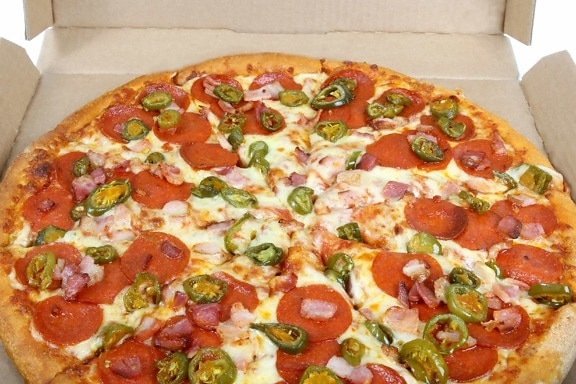
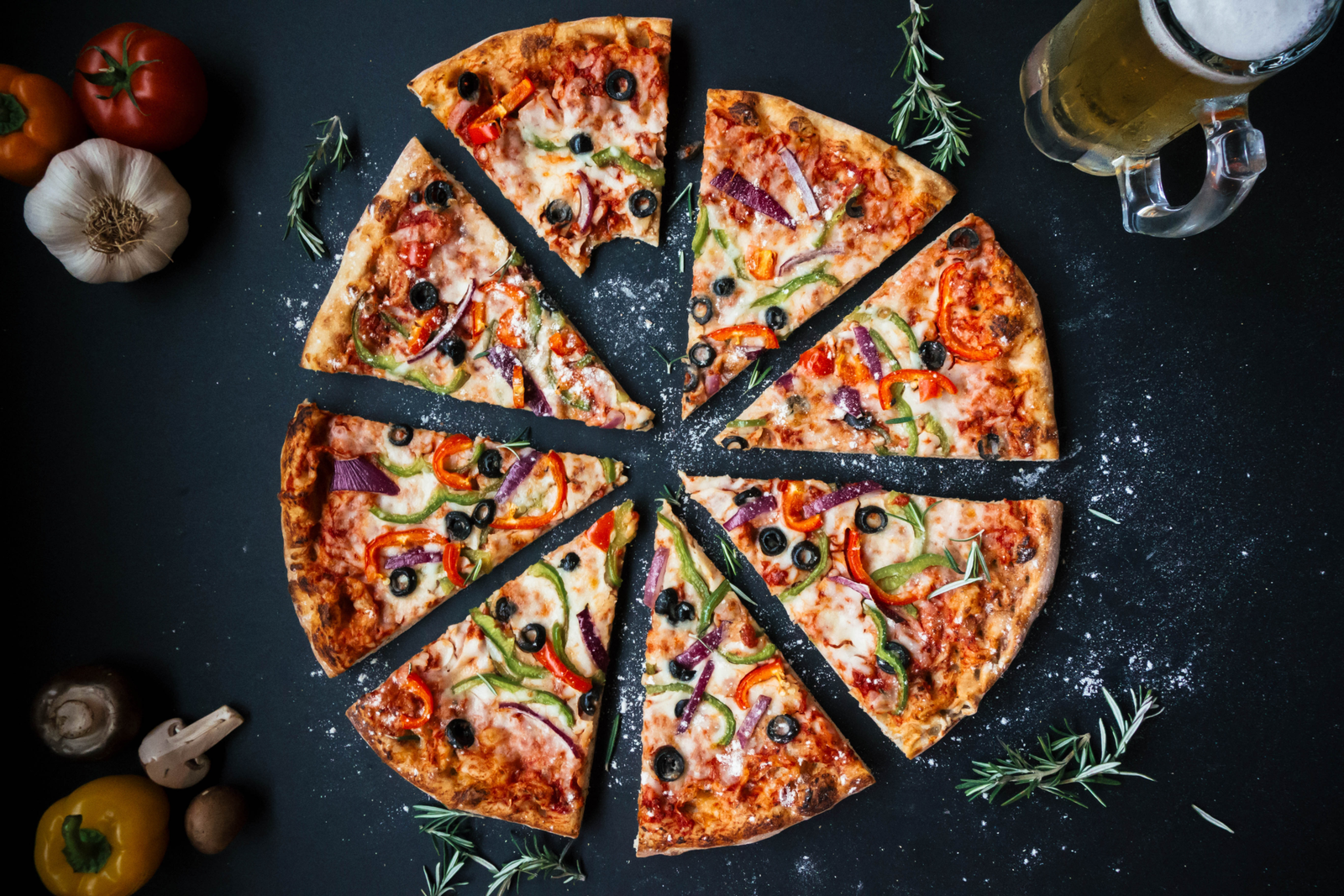
An engineer looks at these flatbreads and sees two different machines at work. Pizza dough spends hours in fermentation. Yeast turns sugar into carbon dioxide and alcohol. The gluten traps that gas, and the dough swells into something light and full of uneven air pockets. A wood-fired oven then finishes the job fast. It runs at roughly 480 degrees Celsius and cooks a pie in sixty to ninety seconds through pure radiant heat. The crust scorches into dark, puffy blisters called leopard spotting, a textbook case of the Maillard reaction pushed to its limit.
Piadina, crescia, and torta al testo skip almost all of that. These doughs use little or no yeast. There is no hours-long fermentation to build flavor or lift. Fat does that work instead. Lard or olive oil coats the flour and shortens the gluten. The same fat sits at the center of the wider Mediterranean diet. Here, it gives the dough a tender bite without a single trapped air bubble. The cooking method changes too. A hot stone or metal disc called a testo (a flat griddle, traditionally terracotta) transfers heat straight through contact. That is conduction, not radiation, and it runs cooler, around 200 degrees Celsius, for several minutes per side instead of seconds.
There is a practical reason behind the split, and it has nothing to do with taste. A wood-fired oven hot enough for pizza was a shared village resource. Most families never owned one. The testo, by contrast, sat on a private hearth. Flatbread cooked on a testo was the home cook’s answer to an oven she did not have. That is also why these doughs skip fermentation. A family cooking dinner had no three hours to spare for a rise.
Piadina Romagnola: The Flatbread Americans Already Half-Know
Piadina is the one member of this family that has actually crossed the Atlantic. Its American reputation stays just as tangled as gelato’s own blurred line with ice cream. Even in the United States, it shows up as a vague “Italian flatbread sandwich” on a chain menu. The real thing comes from Romagna, the stretch of coast and plain running from Rimini through Forlì-Cesena. It earned European Protected Geographical Indication status under Commission Implementing Regulation (EU) No 1174/2014. The European Commission registered it on October 24, 2014, under the name Piadina Romagnola / Piada Romagnola.
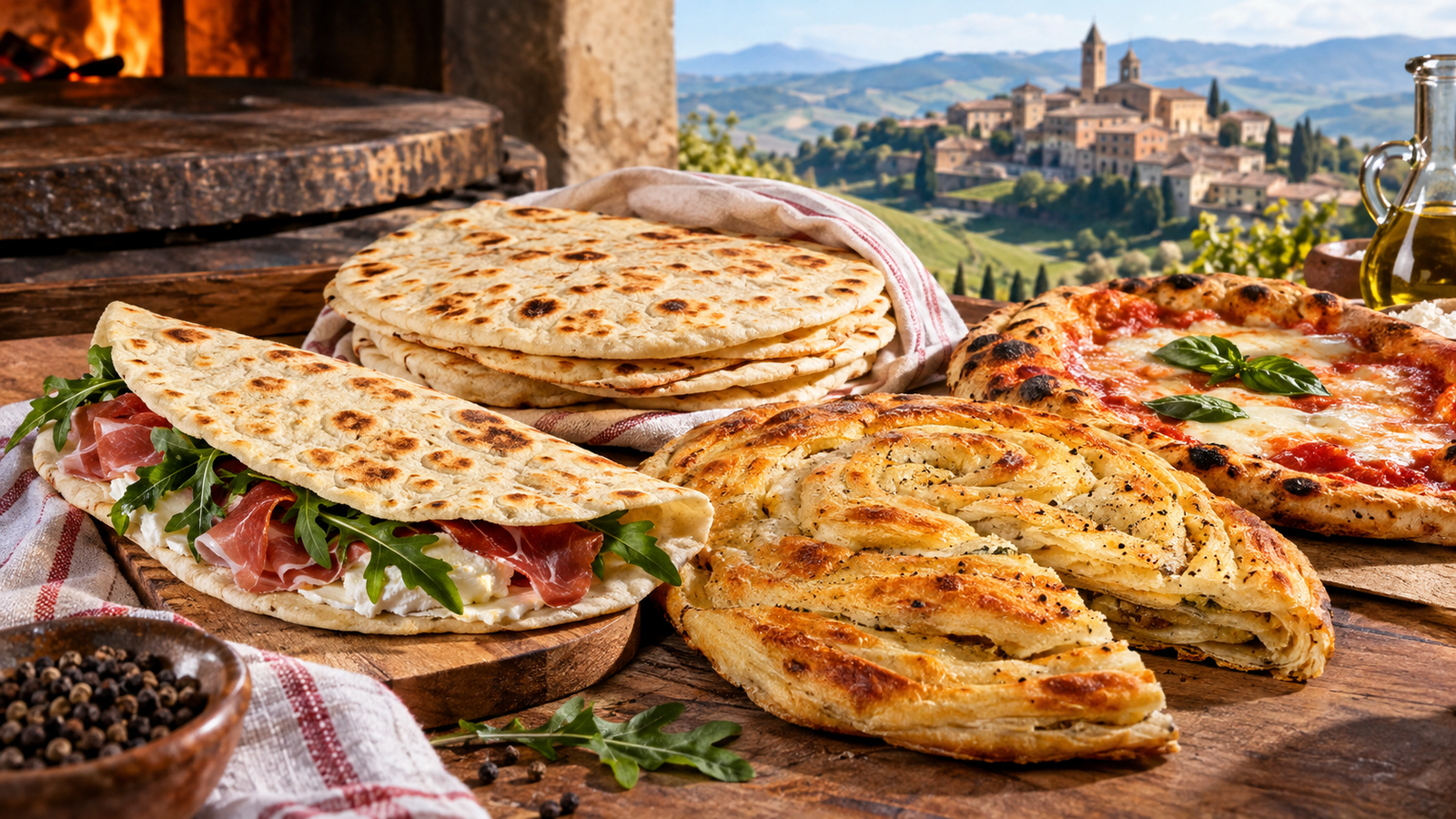
The dough stays deliberately plain: flour, water, salt, and a fat. That fat is usually lard in the traditional recipe, or olive oil in lighter coastal versions. There is no egg, and the strict IGP version uses no yeast at all. It cooks on the testo in a few minutes and comes off thin and lightly blistered. Fillings range from squacquerone cheese and arugula to prosciutto and stracchino. Thickness even varies by town inside Romagna. Rimini leans toward thin and crisp. Inland towns favor a softer, thicker disc. The motion is harder to read off a recipe than to copy standing next to someone, which is why the short piadina classes held in the Romagna countryside run barely ninety minutes: this dough has nothing to wait for.
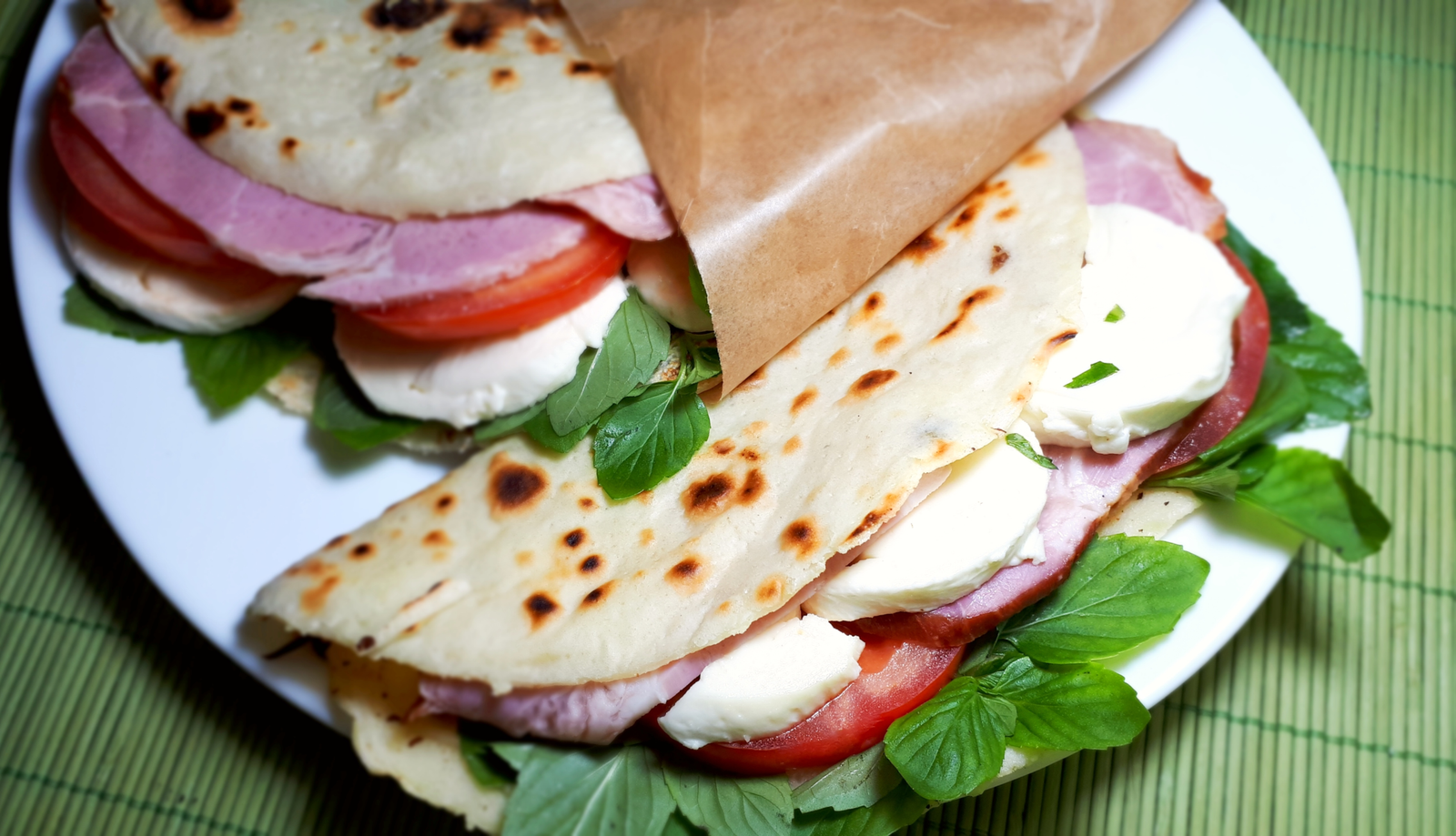
Marche natives further south treat piadina as the plainer cousin. Their own crescia adds egg and black pepper to the dough. The real argument between the two regions is less about which came first and more about which one was willing to add an egg.
Crescia Sfogliata di Urbino: A Dough With a Technique, Not Just a Recipe
Walk into Urbino, the hill town of brick towers where Raphael was born, and the local flatbread adds a step piadina never bothers with. Crescia sfogliata brings in egg, black pepper, and a hand-laminating technique that earns the word sfogliata, meaning “layered” or “leafed.”
The dough itself stays close to piadina: flour, egg, lard, cold water, salt, and a generous grind of black pepper. The technique is what sets it apart. Each portion gets rolled into a flat disc, then rolled up into a cylinder. A brush of melted lard goes on next. The cook coils it into a spiral and lets it rest again. Unrolled a second time, that spiral leaves thin internal layers behind. The effect sits closer to a croissant’s lamination than to a simple flatbread, though made without any of a croissant’s yeast or butter. The result bakes up flakier and more fragile than piadina, with pepper running through every bite instead of sitting only in the filling.
Local legend credits a baker working for the Montefeltro dukes, inspired by sunlight striking the towers of the ducal palace. That story belongs to Urbino’s folklore, not to any verified record. The variations are better documented. Crescia al granoturco, made partly with cornmeal, comes from Urbania and Jesi. Crescia vonta, from Pesaro and Fano, gets a finishing pass through hot lard. Macerata has its own olive-oil version, built around rosemary and onion.
Crescia Fogliata: The Dessert That Shares a Name and Nothing Else
Here the terminology turns genuinely treacherous, and it is worth slowing down for it — the same trap that makes granita and cremolata such a minefield further south. Crescia fogliata di Fiuminata comes from a small town in the Marche’s mountainous interior. It shares half its name with crescia sfogliata di Urbino. It shares almost nothing else: not the ingredients, not the cooking method, not even the meal it belongs to.
This crescia is sweet, not savory. It is baked, not griddled. The filling builds on autumn fruit. Thin apple slices, raisins plumped in water, sapa (a syrup made by reducing grape must, sometimes called “cooked must”), sugar, walnuts, almonds, and chopped dried figs all go in. Lemon zest and juice brighten the mix. The dough is just flour, sugar, oil, and boiling water, rolled paper-thin on a floured cloth. The cook spreads on the fruit filling and rolls the whole sheet into a long cylinder. The cylinder gets coiled into a spiral, brushed with egg yolk, dusted with sugar, and baked until golden. Local tradition in Fiuminata traces the dessert back more than seven centuries. The town still celebrates it every August with its own sagra (a local food festival, usually tied to one specific dish or harvest).
Structurally, crescia fogliata has more in common with a strudel, or with Umbria’s own rocciata from Foligno, than with any flatbread on this page. Cooks from Fiuminata tend to bristle at the strudel comparison anyway. They insist their version stays plainer and more rustic. One rule keeps the two cresce straight: if it comes off a hot griddle, it is savory and from Urbino. If it comes out of an oven smelling of baked fruit, it is from Fiuminata, and it is dessert.
Chichì Ripieno di Offida: The Least-Documented Cousin
Offida sits in the Piceno hills south of Ascoli, a town known internationally for lace-making and for the olive all’ascolana more than for its bread. The chichì ripieno is a filled relative of the crescia family, specific to the Ascolano area. It belongs to a quieter category of Italian food. Home cooks make it far more often than any shop sells it. Far fewer cookbooks have written it up than its neighbors on this list.
One thing is confirmed: the family resemblance. Regional food writing groups chichì together with crescia sfogliata and crescia vonta, as one of several lard-enriched flatbreads native to the southern Marche. A standard filling and an exact method deserve a dedicated visit to Offida before this guide claims more than that. This piece flags that gap honestly rather than inventing detail that cannot be checked at the table.
Torta al Testo: Umbria’s Answer, With Its Own Confusing Name
Cross from the Marche into Umbria, and the flatbread tradition keeps going under yet another name. Torta al testo follows the same home-kitchen logic: flour, water, salt, and traditionally just a pinch of baking soda instead of yeast. It cooks on a testo. The name traces straight back to the Latin testum, a roof tile ancient Romans once used to cover food while it cooked.
Here the naming turns on itself again. In Perugia, locals call it simply torta. Head northeast to Gubbio or Foligno, and the very same dough is called crescia, a name already claimed by two unrelated dishes two regions over. Around Città di Castello, it becomes ciaccia. Three names, one dough: proof that this family resists any tidy naming system, even within a single region.
Tradition used no yeast at all. The lift came from baking soda’s quick chemical reaction, not from any biological fermentation. Most restaurant versions today add a touch of brewer’s yeast for a softer crumb, a modern shortcut rather than the old method. The dough gets rolled about a centimeter thick, pricked with a fork so steam escapes evenly, and cooked ten to fifteen minutes with several turns. It was peasant food at heart: wheat flour for families who could afford it, cornmeal for those who could not. Some food historians point to a Byzantine-era trade corridor linking Umbria and the Marche as one possible route for the technique. They draw a loose line to flatbreads across the eastern Mediterranean. That link stays a hypothesis, not a settled fact.
Italian Flatbreads at a Glance
The table below lines up every flatbread on this page. It compares leavening, fat, cooking method, home region, and the moment you are most likely to run into each one.
| Flatbread | Leavening | Fat | Cooking method | Region | When to eat it |
|---|---|---|---|---|---|
| Pizza | Yeast, hours of fermentation | Olive oil (minimal) | Wood oven, 480°C, 60–90 sec | Naples / nationwide | Dinner, any season |
| Piadina Romagnola | None (IGP standard) | Lard or olive oil | Testo/griddle, minutes per side | Romagna | Lunch, street food, year-round |
| Crescia sfogliata di Urbino | None | Lard, egg | Griddle/clay slab, laminated | Marche (Urbino) | Lunch, filled savory |
| Crescia fogliata di Fiuminata | None (dessert dough) | Oil | Oven-baked, rolled and coiled | Marche (Fiuminata) | Autumn, dessert |
| Chichì ripieno | None (reported) | Lard | Griddle or oven, home tradition | Marche (Offida) | Home kitchens, Piceno area |
| Torta al testo | None traditionally, baking soda | Minimal or none | Testo/griddle, 10–15 min | Umbria | Lunch, filled or wedged |
How to Eat These Like a Local
Order piadina anywhere on the Romagna coast and nobody will blink. It shows up on beach kiosks and proper restaurant menus alike, and asking for it thin or thick is a normal request, not a faux pas. Crescia sfogliata plays by different rules. It rarely shows up on a printed menu in Urbino at all. The real move is asking at a bakery in the morning, while the day’s batch is still warm. Do not expect to find it on a trattoria or osteria menu at dinner.
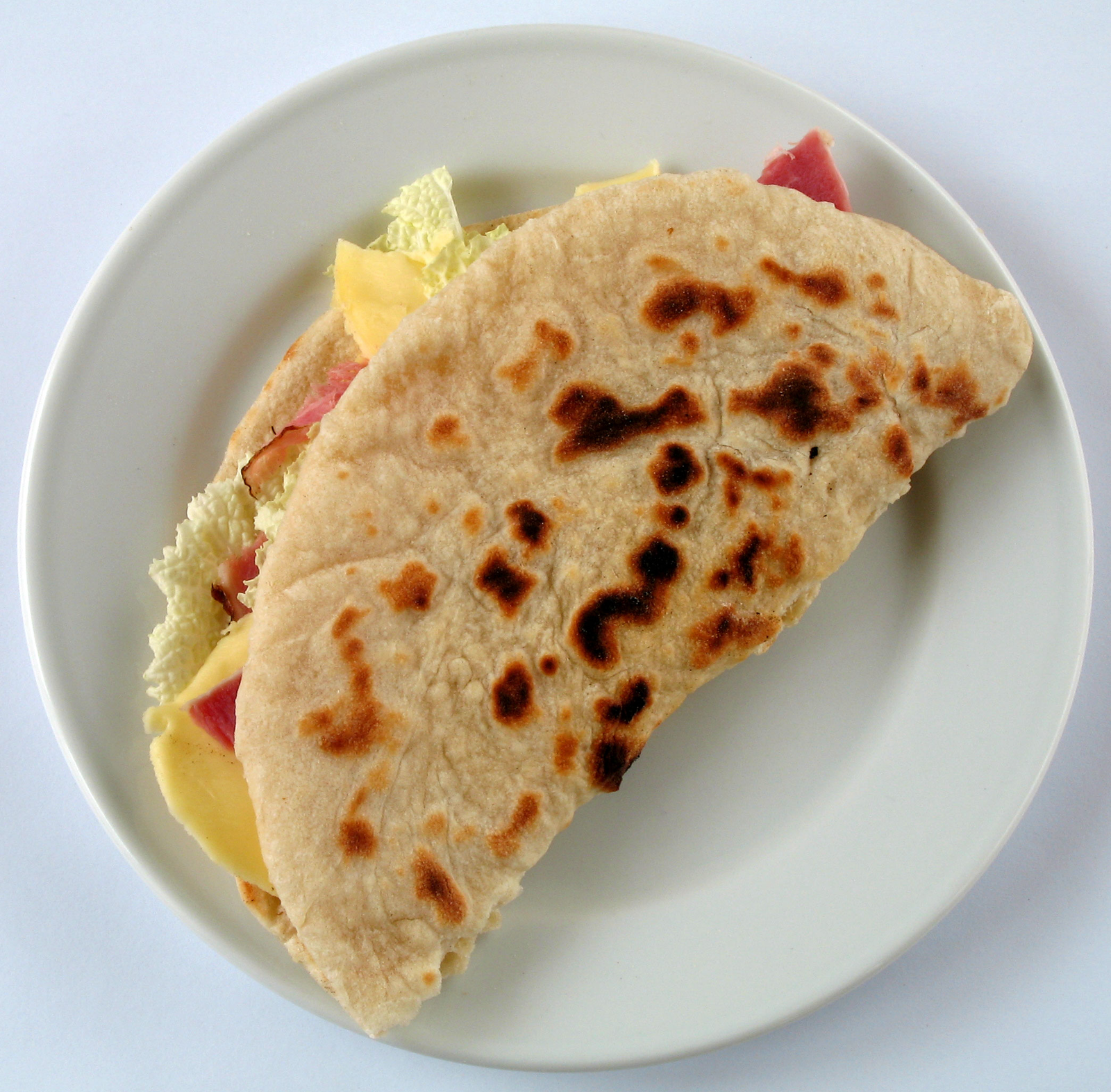
Do not order crescia fogliata as a savory course by mistake. It belongs at the end of a meal, or alongside coffee. In Fiuminata itself, it clusters around the August sagra rather than showing up on menus year-round. Torta al testo is the most forgiving of the group for a visitor. It travels well as street food. It pairs naturally with cured meats and erbe di campo (wild foraged greens, typically sautéed with garlic). It also tolerates being eaten standing up, which almost nothing else on this list does with any grace.
The deeper mistake is treating any of these as a pizza substitute. Order a piadina expecting pizza’s char and bubble, and it will taste flat by comparison. Order a pizza expecting a piadina’s quick, portable simplicity, and the wait for a wood oven will feel absurd. They solve different problems. One is a meal cooked to order in minutes with whatever a household already had on hand. The other comes from a communal oven built to feed a village in batches. Understanding that difference explains the Italian table better than any ranking of which one tastes best.
Booking Notes: What Can Be Booked, and What Cannot
The one class that actually teaches piadina. A ninety-minute piadina class in a farmhouse near Civitella di Romagna is the only booking I found that puts the right dough on the right griddle, with local cheese to fold into it afterward. It runs about sixty dollars. It carries only a handful of reviews so far, which is worth knowing before you build a day around it, though that is normal for a single-dish class in a town of four thousand people rather than a sign of anything wrong.
If you would rather make a meal of it. A longer Romagna class pairing piadina with strozzapreti, run out of Rimini with an aperitivo to start, costs closer to a hundred and fifty dollars for two and a half hours. It is a recent listing with no reviews yet, so treat it as the better-value option only if the pasta half interests you as much as the bread.
Crescia, chichì, and torta al testo cannot be booked at all. No operator sells a class in any of them. That is not an oversight in the market: these are bakery-counter and home-kitchen breads, and the earlier advice in this guide stands as the only route in. Ask at a panificio in Urbino or Offida in the morning. In Fiuminata, the August sagra is the reliable window for crescia fogliata.
What I would skip. Any cooking class in Rome, Florence, or Venice booked with these breads in mind. They are excellent at what they do and they teach the opposite machine: fermented dough, radiant heat, a pasta board. Bologna deserves its own warning, because the map misleads here. Bologna is Emilia, not Romagna, and its classes turn out tagliatelle, tortellini, and lasagna. Piadina starts roughly an hour east of it, which is exactly the distinction this guide has been making all along.
FAQ: Italian Flatbreads Explained
What is the difference between Italian flatbreads and pizza?
Italian flatbreads like piadina and crescia use little or no yeast and cook on a hot griddle called a testo. Pizza uses a yeast-leavened dough that ferments for hours and bakes fast in a very hot oven. One relies on fat for texture; the other relies on fermentation and radiant heat.
Is piadina the same as pizza?
No. Piadina is unleavened or barely leavened, cooked on a griddle in a few minutes, and usually folded around a filling rather than topped and baked. Pizza ferments for hours and bakes in a wood oven at extreme heat. They share a round shape and little else.
What is the difference between crescia sfogliata and crescia fogliata?
Crescia sfogliata di Urbino is a savory, laminated flatbread made with egg, lard, and black pepper, cooked on a griddle. Crescia fogliata di Fiuminata is a sweet, oven-baked pastry rolled with apples, raisins, and nuts. They share half a name and nothing on the plate.
When is the best time to try these flatbreads in Italy?
Piadina and torta al testo work year-round as everyday lunch food. Crescia sfogliata is best found fresh in the morning at a bakery. Crescia fogliata di Fiuminata concentrates around its August sagra in Fiuminata, so early autumn and late summer are the strongest windows.
Where can travelers actually find crescia or chichì, since they rarely appear on menus?
Both lean on home kitchens and morning bakeries rather than restaurant menus. The reliable approach is asking directly at a panificio (bakery) in a town like Urbino or Offida, in the morning. Do not expect to find either one listed on a dinner menu.
Do these flatbreads cost more or less than a meal out?
A filled piadina or crescia from a bakery or kiosk typically runs a few euros, closer to street food pricing than restaurant pricing. Torta al testo follows the same pattern. Crescia fogliata, sold by weight or by slice during its sagra, stays in similar everyday territory.
What is the one thing an American visitor gets wrong about Italian flatbreads?
Expecting any of them to taste or behave like pizza. Piadina, crescia, and torta al testo solve a different problem: a fast, fat-based dough cooked at home, not a fermented dough built for a communal oven. Judging one by the other’s standard misses the point of both.