Colosseum and Pantheon Evening Hours: Rome’s 2026 Trial
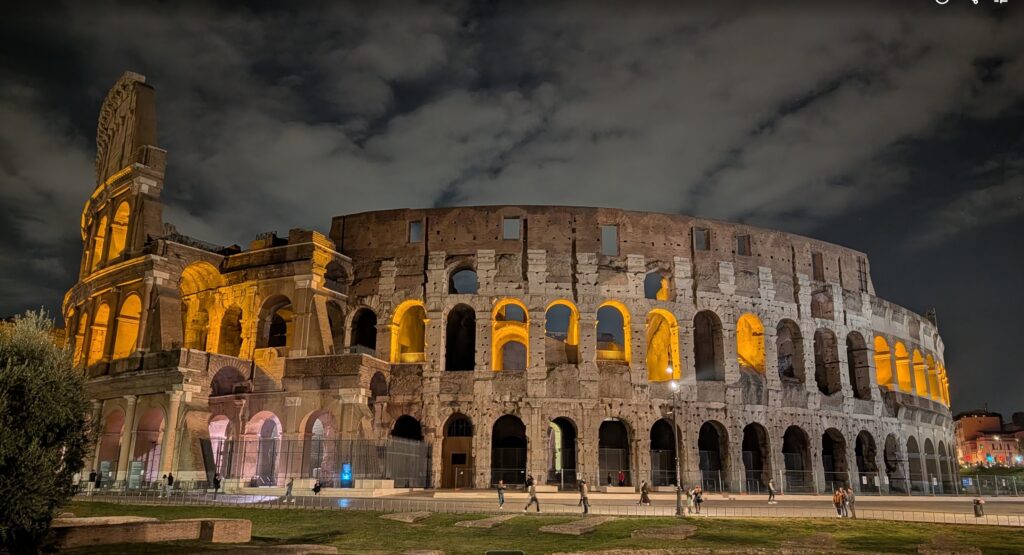
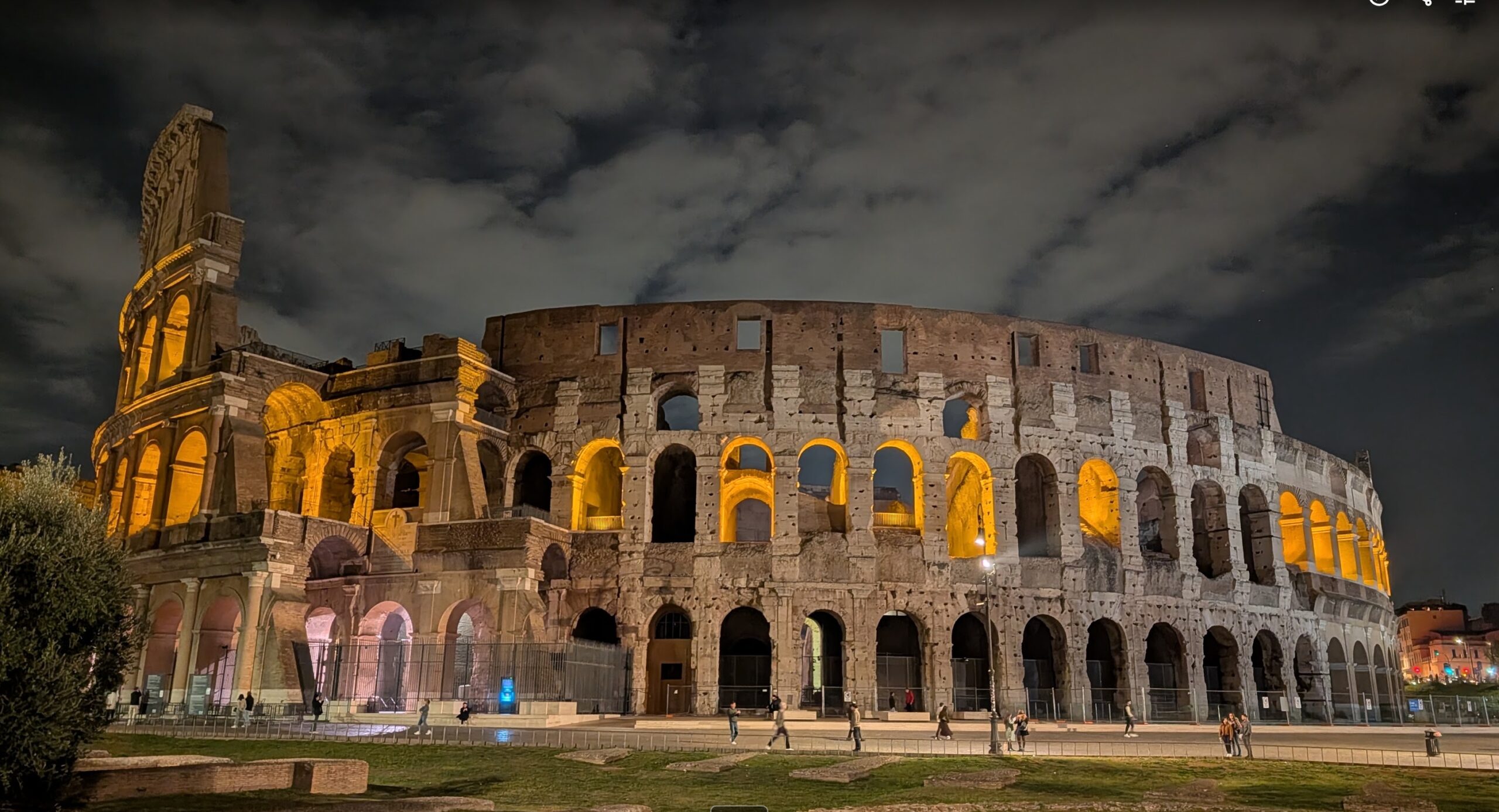
Rome’s Colosseum and Pantheon evening hours, unheard of just a summer ago, begin on August 1, 2026, when the amphitheater’s travertine arches catch floodlight instead of closing at dusk, and the Pantheon’s oculus watches Roman skies until eleven at night. The change comes from a joint trial by Italy’s Ministry of Culture and Ministry of Tourism, and for now it applies only to Rome and Milan. I have spent thirty years assessing how old Italian buildings behave under stress, structural and otherwise, and this is not simply a summer gimmick: it is an attempt to spread a crowd problem across more hours of the day. Here is exactly what changes, what it costs, how to book it, and what the announcement does not spell out.
A note on links: some of the booking links in this article are affiliate links. If you book through them, I earn a small commission at no additional cost to you. The official evening tickets described below are not among them.
What’s Actually Changing on August 1
Two state-owned monuments in Rome, plus one civic monument in Milan, are testing longer opening hours starting Saturday, August 1, 2026. The stated goals, according to the Ministry of Tourism, are threefold: relieve pressure on daytime visitor flows, let people avoid the worst midday heat, and fit visits around a workday that does not end at four in the afternoon. None of that is a minor adjustment. The Colosseum and the Roman Forum-Palatine complex together already receive several million visitors a year, and August is historically the single most crowded month to attempt either one.
Colosseum: Friday and Saturday Nights Only
The Colosseum’s evening slot runs only two nights a week, Friday and Saturday, from 7:45 p.m. to 11:30 p.m. This is not a full re-opening of the archaeological park; the Roman Forum and Palatine Hill are not confirmed to follow the same extended schedule, so plan the evening visit as a Colosseum-specific outing rather than the full triple-site day pass.
Pantheon: Nearly Every Evening, Except Thursday
The Pantheon’s hours extend further into the week. From August 1, the building — technically a working Catholic basilica, Santa Maria ad Martyres, as well as an ancient temple — stays open from 7:00 p.m. to 11:00 p.m. every night except Thursday. For a monument usually visited in a single hurried loop around a coach tour’s schedule, an eleven o’clock closing is a real change in what an evening in the historic center can look like.
A third monument, Milan’s Castello Sforzesco, is part of the same trial with its own extended hours (5:30 p.m. to 7:30 p.m.), but since this blog’s focus stays on central Italy, I’ll leave Milan’s civic museums for another piece and concentrate on what a traveler heading to Rome actually needs to know.
How to Book Evening Tickets
Both monuments require a ticket booked in advance for a specific entry slot, evening or otherwise, and neither one is a walk-up-and-buy experience anymore.
ticketing.colosseo.it
For the Colosseum, the only official portal is ticketing.colosseo.it, run by the Parco Archeologico del Colosseo. Standard adult admission covering the Colosseum, Roman Forum, and Palatine typically runs in the €18 to €24 range depending on the itinerary chosen (arena floor access costs more than the base ticket), with a reduced €2 fare for EU citizens ages 18 to 25 and free entry for anyone under 18, plus a small mandatory booking fee. As of this writing, the ministry has not published a separate evening-only price tier, so I’d expect the standard fare structure to apply to the new evening slots — but confirm the exact figure on the official site before you book, since fees on Italian state monuments are revised more often than most American visitors expect.
For the Pantheon, tickets are sold through the official Musei Italiani portal and the Musei Italiani app, or at the on-site ticket machines. Since July 1, 2026, the standard adult ticket costs €7, up from the previous €5, following an agreement between the Ministry of Culture and the Diocese of Rome that now governs the building jointly. Rome residents enter free, as do visitors covered under existing national exemptions, and the first Sunday of every month remains free for everyone — a detail worth knowing since August 2, 2026, the Sunday right after the evening trial begins, falls on exactly that free day.
The Engineer’s Read: Why This Isn’t Just for the Photos
Every article about this announcement will tell you the obvious part: it’s cooler at night, and the light is better for pictures. What gets less attention is the crowd-engineering logic underneath it, and this is where thirty years of assessing load, wear, and flow on old Italian structures gives me a different read than a typical travel headline.
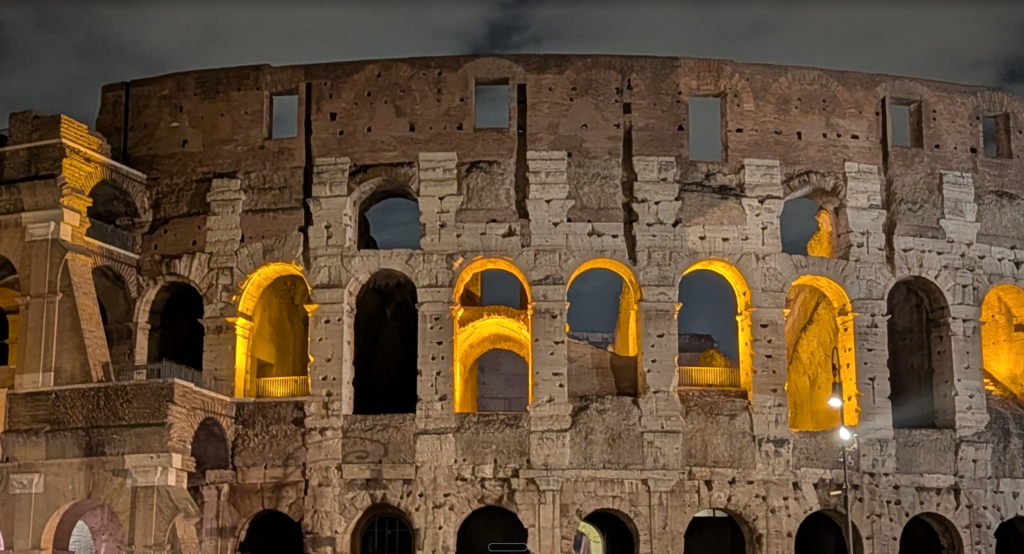
A building like the Colosseum does not fail because of one busy afternoon. It wears down the way any structure under repeated stress does: through accumulated cycles, concentrated at the same hours, on the same days, across the same narrow entrances. Spreading visitor volume across a wider window of the day is the same principle an engineer uses when distributing load across a structure rather than letting it concentrate at a single point — you do not necessarily reduce the total weight, but you reduce the peak, and peaks are what cause damage and bottlenecks alike. Framed that way, this “experiment,” as the ministries themselves are calling it, looks less like a summer marketing idea and more like an overdue piece of visitor-flow management dressed up as an evening event.
It also explains why the trial has no announced end date. Officials have described it as a sperimentazione — a trial, in the literal sense, not a permanent seasonal fixture — and Italian public bodies use that word deliberately: it lets an initiative be extended, adjusted, or quietly discontinued without anyone having promised it would last. If you are planning a trip for next spring based on this news, don’t assume these hours will still exist. Build in a check of the official sites closer to your travel date.
Planning an Evening Visit
A few things the announcements themselves won’t tell you, gathered from thirty summers of watching how these things actually play out on the ground:
The Pantheon is still an active place of worship, and dress expectations that apply during the day — shoulders and knees covered — apply at night as well; nobody enforces it less strictly because the sun has gone down. Security screening at the Colosseum evening entrance should be expected to take as long as it does during the day, so arrive 15 to 20 minutes before your booked slot rather than cutting it close. Tripods and large camera bags are generally restricted at both sites regardless of the hour, so a traveler chasing that dusk-lit photograph should plan around a handheld setup. And because this is new terrain even for Roman guides, expect the first few weeks of evening openings to run less smoothly than they will by September — arrive with patience built in, not just a ticket.
August in Rome also means heat that does not fully break until well after dark, so the evening slots genuinely solve a real problem rather than a marketing one: temperatures at 8 p.m. in a Roman August routinely sit ten degrees Fahrenheit below the 2 p.m. peak, which is the difference between an enjoyable hour inside the Colosseum’s upper tiers and a miserable one.
Pairing the Evening with Other Rome After-Dark Experiences
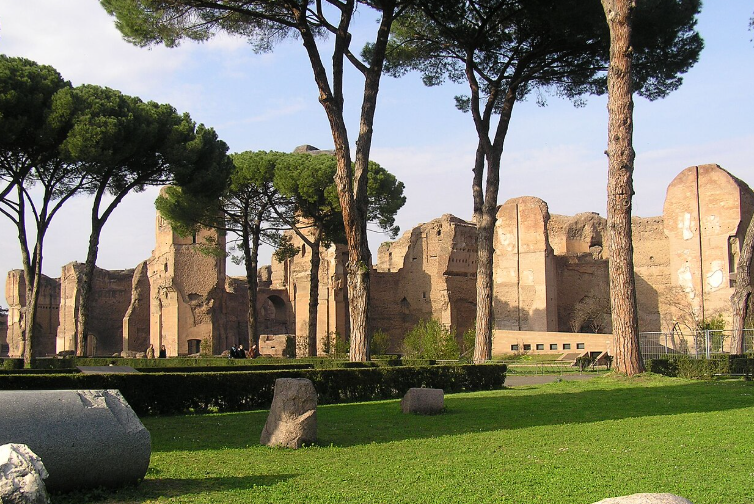
The Colosseum and the Pantheon sit close enough — about a twenty-minute walk, or a short taxi ride down Via dei Fori Imperiali and across to the historic center — that an ambitious evening could combine both in a single night, with dinner in Monti or near Piazza della Rotonda between the two. Rome has been quietly building a habit of putting its ancient monuments on display after dark; readers who enjoyed our piece on the summer opera nights at the Baths of Caracalla will recognize the same instinct here, extended now to two of the city’s most recognizable silhouettes.
If the official evening slots are sold out for your dates — and in August they go quickly — a guided evening entry with optional arena floor access is the practical fallback. You are paying for a reserved entrance rather than for the monument, so judge it on that: it is worth the markup on a Saturday in high season and not worth it on a Tuesday in October, when the official ticket is available and cheaper.
FAQ — Colosseum and Pantheon Evening Hours
What are the new evening hours for the Colosseum and Pantheon? Starting August 1, 2026, the Colosseum is open Friday and Saturday from 7:45 p.m. to 11:30 p.m., and the Pantheon is open daily except Thursday from 7:00 p.m. to 11:00 p.m.
Is this a permanent change or a temporary trial? It’s an officially described experiment (sperimentazione) with no published end date. Treat it as ongoing rather than permanent, and check the official sites before booking a visit more than a few weeks out.
How do I book evening tickets? Book Colosseum tickets only through ticketing.colosseo.it. Book Pantheon tickets through the official Musei Italiani portal, the Musei Italiani app, or the on-site ticket machines.
How much do evening tickets cost? The Pantheon’s standard ticket is €7 as of July 1, 2026. The Colosseum has not published a separate evening price; expect the existing daytime fare structure (roughly €18–24 depending on itinerary) to apply, and confirm the current figure before booking.
How long should I plan for each visit? Budget 75 to 90 minutes for the Colosseum’s evening slot and 30 to 45 minutes for the Pantheon, which is smaller and does not include the arena or underground levels.
Can I visit both in one evening? Yes. They’re roughly a twenty-minute walk apart, which comfortably allows for one visit, a meal in between, and the second visit before closing.
Does the evening opening make the Colosseum less crowded than a daytime visit? Likely yes, at least in these early weeks, since Friday and Saturday evening slots are new and not yet part of most tour operators’ standard itineraries — though this should be expected to change as word spreads.
Final Thoughts
The headlines will call this a chance to see the Colosseum and the Pantheon “by night,” and that’s true enough. What I’d want an American reader to take from it instead is a smaller, more useful idea: Italian institutions rarely announce their intentions plainly, and reading past the press release — to the crowd logic, the fine print about dress codes, the quiet absence of an end date — usually tells you more about how to actually plan the visit than the announcement itself does.
If you want more dispatches like this from an Italian insider’s perspective on the country’s monuments, festivals, and everyday logic, there’s more to explore on Tastes & Wonders of Italy.
—
Written by Mirco Vitellozzi, a structural engineer from Le Marche who writes about Italy from the inside. More essays at Tastes & Wonders of Italy, and short films on YouTube.