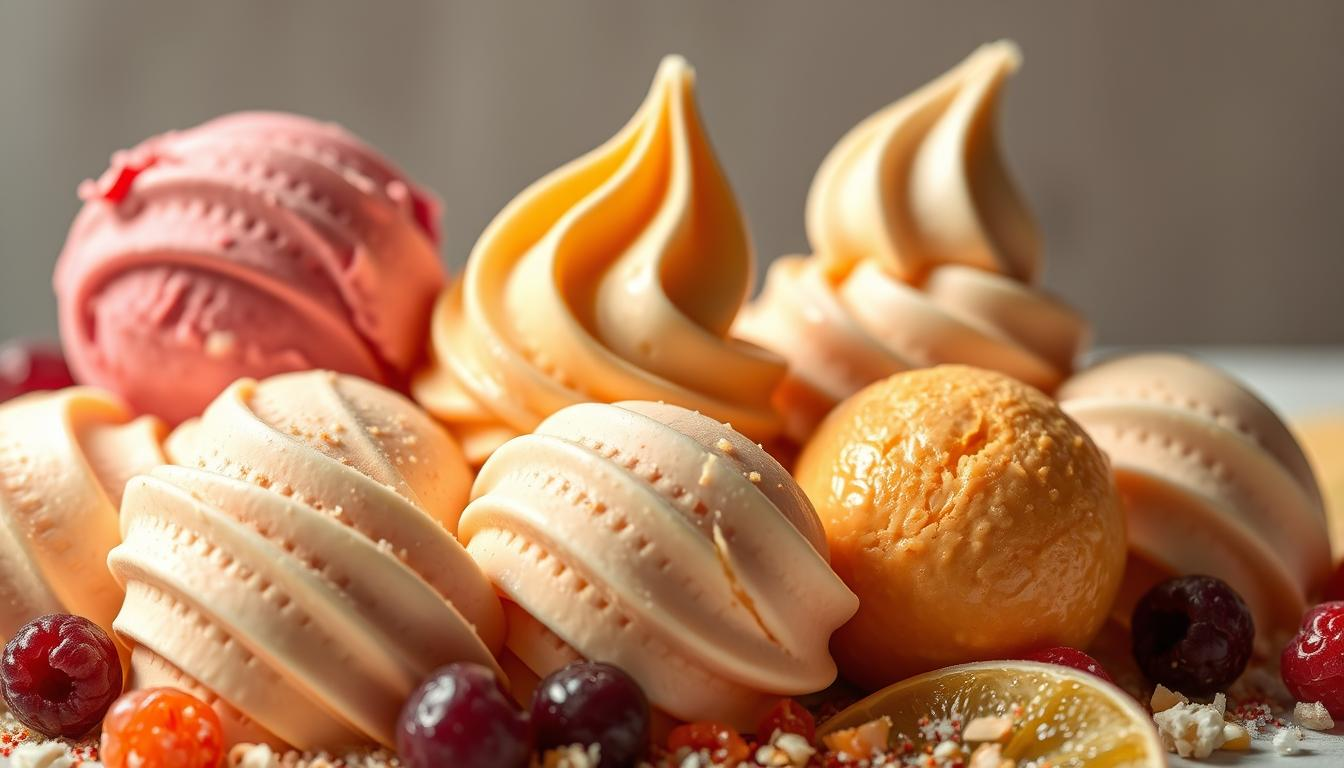
Gelato vs Ice Cream: What Makes Italian Gelato So Special and Where to Find the Best in Italy
Published: June 5, 2025 | Category: Food | Author: Taste and Wonders of Italy
—
Is your favorite frozen dessert truly the best it can be? Many assume creamy scoops from their local shop are the pinnacle of indulgence — but what if there’s a richer, silkier alternative hiding in plain sight?
Though often called the same thing, gelato and ice cream are worlds apart. Traditional gelato recipes skip heavy cream and rely on fresh milk, giving it a lighter texture with less fat. Ice cream, by contrast, is fluffier, airier, and often packed with egg yolks for richness.
History plays a role, too. Imagine a Sicilian fisherman crafting the first batch in the 1600s — or Napoleon savoring it centuries later. This isn’t just dessert; it’s a slice of Italy’s soul. Texture tells another story: slow churning creates a dense, velvety experience that melts faster on your tongue, and that is why flavors burst brighter.
Want to taste the difference? Visit a family-run shop in Rome or Florence, where recipes haven’t changed in generations.
—
Exploring the Origins and Cultural Heritage
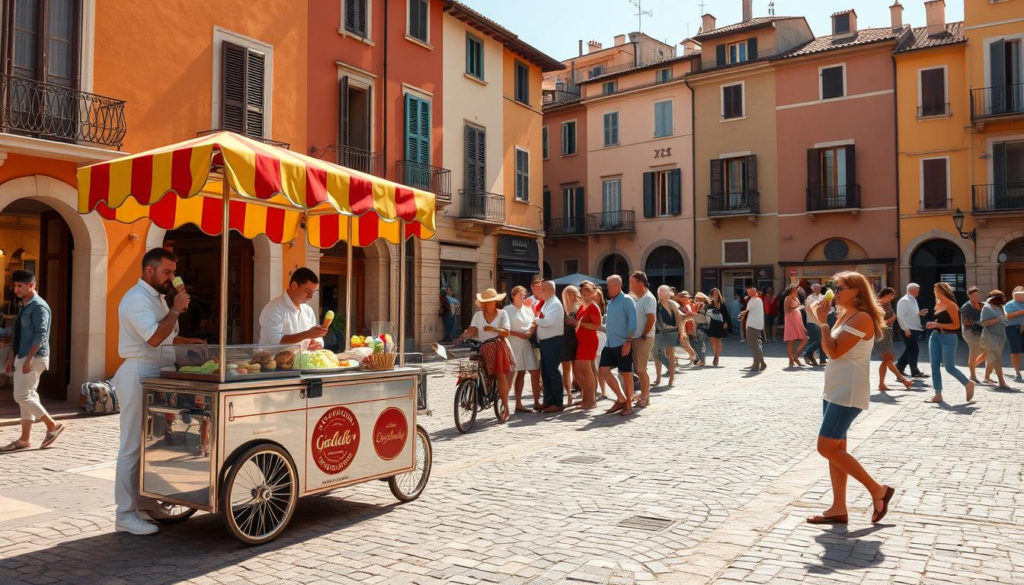
Behind every creamy bite lies a history shaped by Italian ingenuity. Long before freezers existed, resourceful Sicilians mixed snow from Mount Etna with honey and fruit — a practice dating back to Roman times. This early innovation laid the groundwork for what would become a national treasure.
Historical Roots of Gelato and Ice Cream
The 16th century marked a turning point when a Sicilian fisherman created the first gelateria using mountain ice and fresh local ingredients. By the Renaissance, chefs in Florence perfected the recipe, using milk instead of cream for a lighter texture. Meanwhile, its fluffier counterpart evolved through quicker methods — prioritizing speed over craftsmanship and incorporating more air.
Italian Influence and Culinary Traditions
Traditional methods demand simple, high-quality ingredients: just milk, sugar, and seasonal flavors. Less air gets incorporated during churning, giving gelato that signature density. This focus on restraint contrasts sharply with industrial methods that prioritize volume over quality. As one Roman artisan puts it: “We use only the finest ingredients — it’s how our ancestors did it.”
Today, over 40% of Italy’s gelato shops still follow family recipes from the 1800s. This dedication to heritage keeps ingredients pure and flavors vibrant — a delicious link between past and present.
—
Ingredients and Nutritional Differences
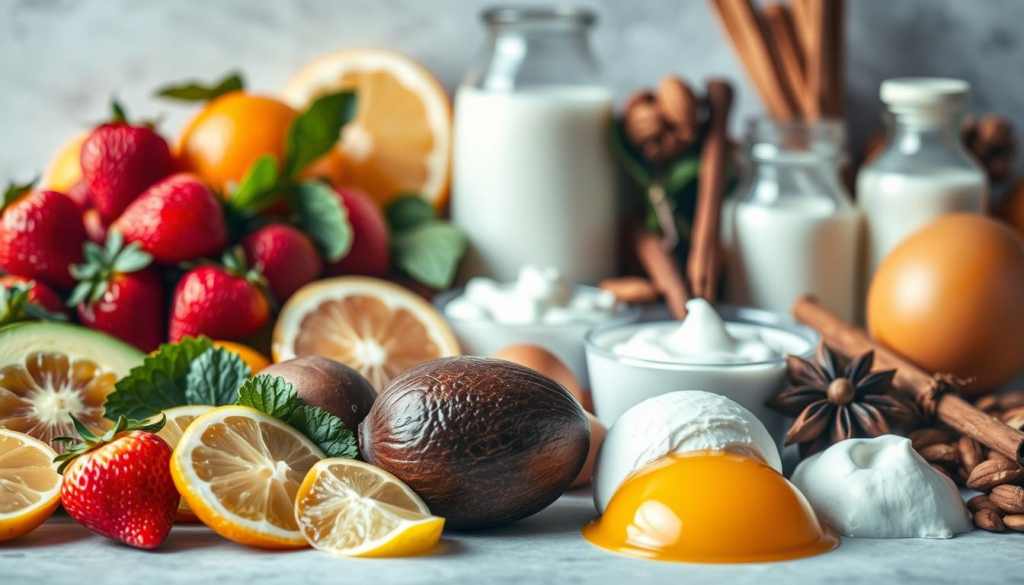
The secret to any great frozen dessert lies in its components. Authentic recipes prioritize simplicity — fewer ingredients, more flavor.
Key Ingredients and Their Ratios
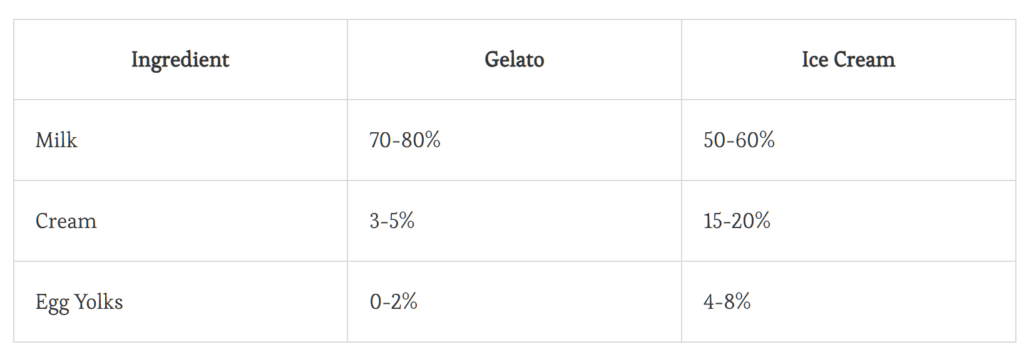
Traditional recipes rely heavily on fresh milk, using just 3–5% cream compared to ice cream’s 15–20%. Egg yolks are rare outside of custard-based flavors. This leaner mix creates a smoother, silkier texture. Sugar balances the taste without overpowering natural flavors like pistachio or lemon.
Caloric, Fat, and Sugar Content Comparison
A 100ml serving of vanilla gelato averages 160 calories and 6g fat — nearly half the content of its fluffier counterpart. Less cream means fewer saturated fats, while higher milk ratios boost calcium. Gelato’s 18–22% sugar sweetens without heaviness. As one Roman chef explains: “Our recipes let fruit or nuts shine — no need for extra butterfat.”
—
Manufacturing Process: Gelato vs Ice Cream
Artisanal Churning: Precision Over Speed
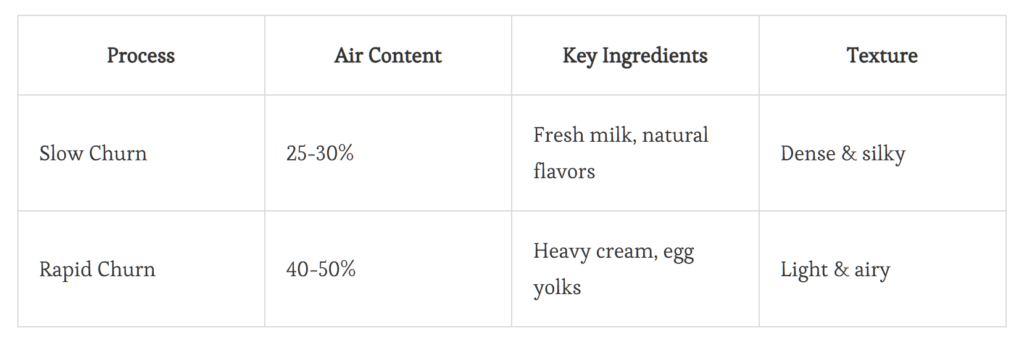
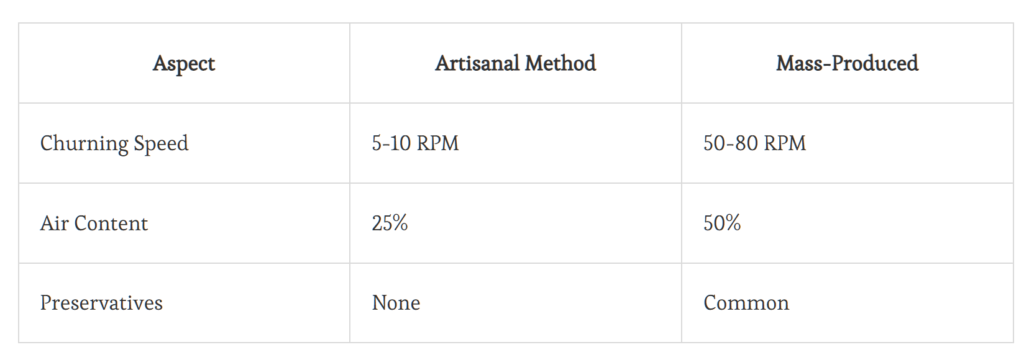
Traditional methods focus on slow blending — think 5–10 rotations per minute. This gentle approach mixes in just 25–30% air, creating a dense, velvety base. Less air means flavors like pistachio or dark chocolate shine brighter. “You taste the ingredients, not the fluff,” says a Bologna-based craftsperson.
Commercial Production: Volume Meets Efficiency
Industrial machines spin five times faster, whipping in up to 50% air. This makes the mixture lighter and cheaper to produce. Extra egg yolks often compensate for texture, boosting fat content to 10–18%. The result is a fluffier scoop that melts slower but feels heavier.
Temperature plays a role, too. Artisan batches stay at -12°C (-10°F), letting flavors bloom on the tongue. Commercial desserts freeze harder at -18°C (0°F), requiring warmer spoons to scoop. This difference explains why one feels like a rich indulgence and the other a chilly treat.
—
The Secrets of Artisan Craftsmanship
Master gelato creators source ingredients from regional farms — think Sicilian pistachios or Amalfi lemons. These elements undergo minimal processing to preserve their natural character. Milk dominates cream in a 3:1 ratio, while sugar levels stay just high enough to enhance — not mask — flavors.
Slow churning at precise temperatures creates a velvety texture unmatched by air-pumped imitations. “Our machines spin like a gentle breeze,” shares a third-generation Bologna craftsperson. “This way ensures every bit feels rich without heaviness.”
Notice the texture when you taste — authentic versions melt faster, releasing flavors in waves. The absence of stabilizers means colors appear softer. Vivid bright-green pistachio? A red flag. Seek shops displaying “produzione propria” (made here). These spots often rotate flavors daily based on seasonal harvests. As one Florence expert notes: “Real quality whispers; it doesn’t scream.”
—
Flavor Profiles and Texture Experience
Smooth, Dense Texture Versus Creamy, Airy Finish
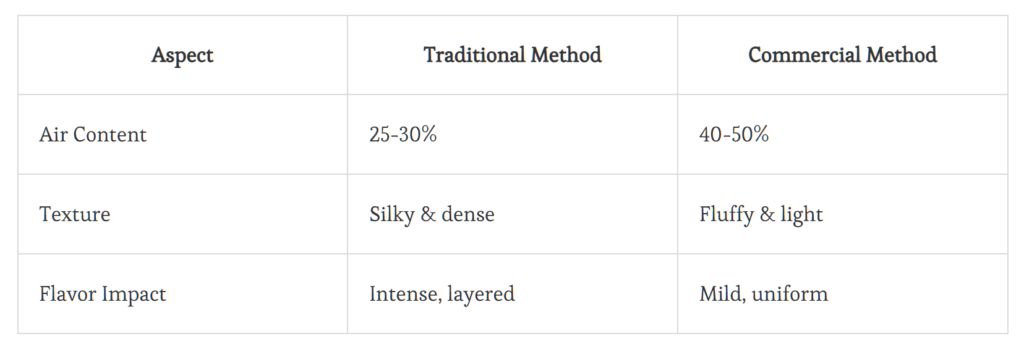
Slow churning creates a velvety consistency with minimal air — think of spreading softened butter versus whipped topping. This dense structure lets flavors like vanilla bean or dark chocolate unfold gradually. Each scoop feels luxurious, clinging to your spoon without icy resistance.
In contrast, faster production methods trap more air, yielding a lighter mouthfeel. While enjoyable, this fluffiness can dilute taste intensity. As a Roman dessert maker explains: “Air doesn’t carry flavor — it just fills space.”
Impact of Serving Temperature on Flavor
Warmer serving temperatures (-12°C vs -18°C) make a surprising difference. Cooler treats numb taste buds slightly, muting subtler notes. Gelato melts faster, releasing flavors like pistachio or lemon in vibrant waves. This also explains why lower-fat options often taste richer — without heavy cream masking ingredients, natural profiles shine.
—
Best Destinations and Insider Tips for Authentic Italian Gelato
Top Gelato Destinations in Italy
Rome’s Giolitti, operating since 1900, serves pistachio so rich it feels like biting into the nut itself. Florence’s La Carraia crafts silky gelato using spring water from the Apennines. For adventurous flavor pairings, Bologna’s Cremeria Santo Stefano mixes local honey with aged balsamic.
Other unmissable stops include Gelatoteca Suso in Venice (try fig & ricotta), Pepino in Turin (inventor of the chocolate-dipped cone), and Cappadonia in Palermo (blood orange sorbet).
Local Tips and Must-Visit Gelaterias
Spot quality by color: natural gelato made with real ingredients has muted hues. Check texture — authentic versions appear slightly uneven from hand-stirring. “If it’s piled high, walk by,” advises a Milanese food blogger. Lower air content means proper servings stay flat in containers.
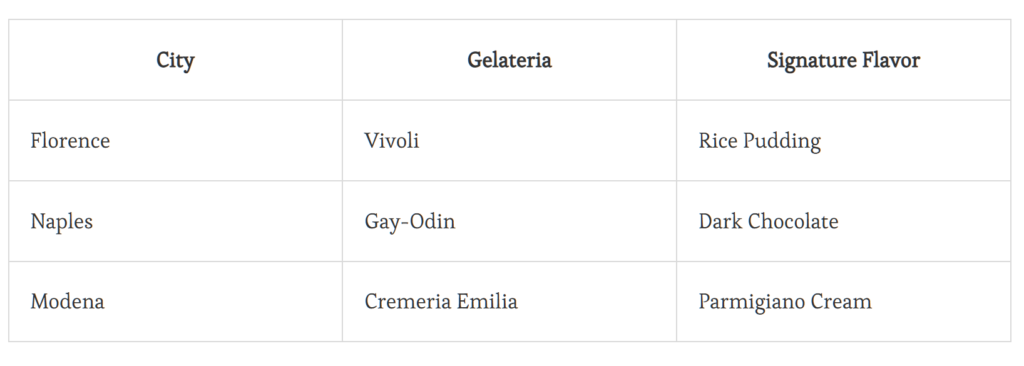
Visit between March–May or September–October for fewer crowds. Most locals enjoy gelato mid-afternoon — join them! Pair your scoop with an espresso for the full experience. And remember: lower fat content means flavors vanish faster. Savor each lick before the Roman sun claims it.
—
Conclusion
When your spoon glides through a perfectly crafted gelato, every detail matters. Authentic Italian methods blend dairy mastery with time-tested techniques, creating a treat where fresh fruit and roasted nuts sing. Centuries of craftsmanship shine in each dense, velvety scoop — local milk replaces heavy cream, and slow churning locks in richness.
Visiting Italy? Let your taste buds explore. Seek shops using seasonal ingredients and proper serving temperature (-12°C). Notice how pistachio’s earthiness or lemon’s zing lingers longer, thanks to minimal processing and maximum care.
Whether you crave silky textures or airy indulgence, both desserts reflect Italy’s love for frozen food artistry. But the real magic lies in experiencing flavors crafted with passion. Your next scoop might just rewrite your dessert diary.
—
FAQ
Why does gelato taste denser than regular ice cream? The slow churning process adds less air, creating a richer texture. Authentic versions use more milk than cream, lowering fat but intensifying flavor.
How do nutritional values differ between the two desserts? Traditional recipes have lower fat content (4–9% vs. 14–25% in ice cream) and often less sugar. However, portion size and toppings affect calorie counts.
What techniques make Italian gelato unique? Artisans prioritize fresh, seasonal ingredients like Piedmont hazelnuts or Sicilian pistachios. Slow mixing prevents excess air, while serving at a slightly warmer temperature enhances taste.
Where can I find the best authentic gelato in Italy? Rome’s Giolitti, Florence’s La Carraia, and Bologna’s Cremeria Santo Stefano are iconic. Look for muted-colored batches — vivid hues often signal artificial additives.
Does serving temperature really impact the experience? Yes! Gelato is stored 10–15°F warmer than ice cream, making it softer and allowing flavors like dark chocolate or stracciatella to bloom on the tongue.
Can I replicate gelato at home without special equipment? While challenging, using a custard base with milk, minimal cream, and a slow-churn setting on your machine helps. Avoid overmixing to limit air incorporation.
—
Tags: #ArtisanGelato, #BestGelatoInItaly, #FrozenDessert, #GelatoLovers, #GelatoTour, #GelatoVsIceCream, #ItalianCuisine, #ItalianGelato, #TasteOfItaly
Explore more at Taste and Wonders of Italy — Watch our visual guides on YouTube
Written by Mirco Vitellozzi, a structural engineer from Le Marche who writes about Italy from the inside. More essays at Tastes & Wonders of Italy, and short films on YouTube.