Olive Oil Tasting in Rome: What Nine Euros Buys You Beside the Pantheon
Some links in this article are affiliate links. If you buy through them, Taste & Wonders of Italy earns a small commission at no extra cost to you. I only link to products I have tasted myself.
An olive oil tasting in Rome is not something most travelers plan. You come for the Pantheon, for carbonara, for an espresso drunk standing at the bar. Oil is the thing that simply arrives on the table.
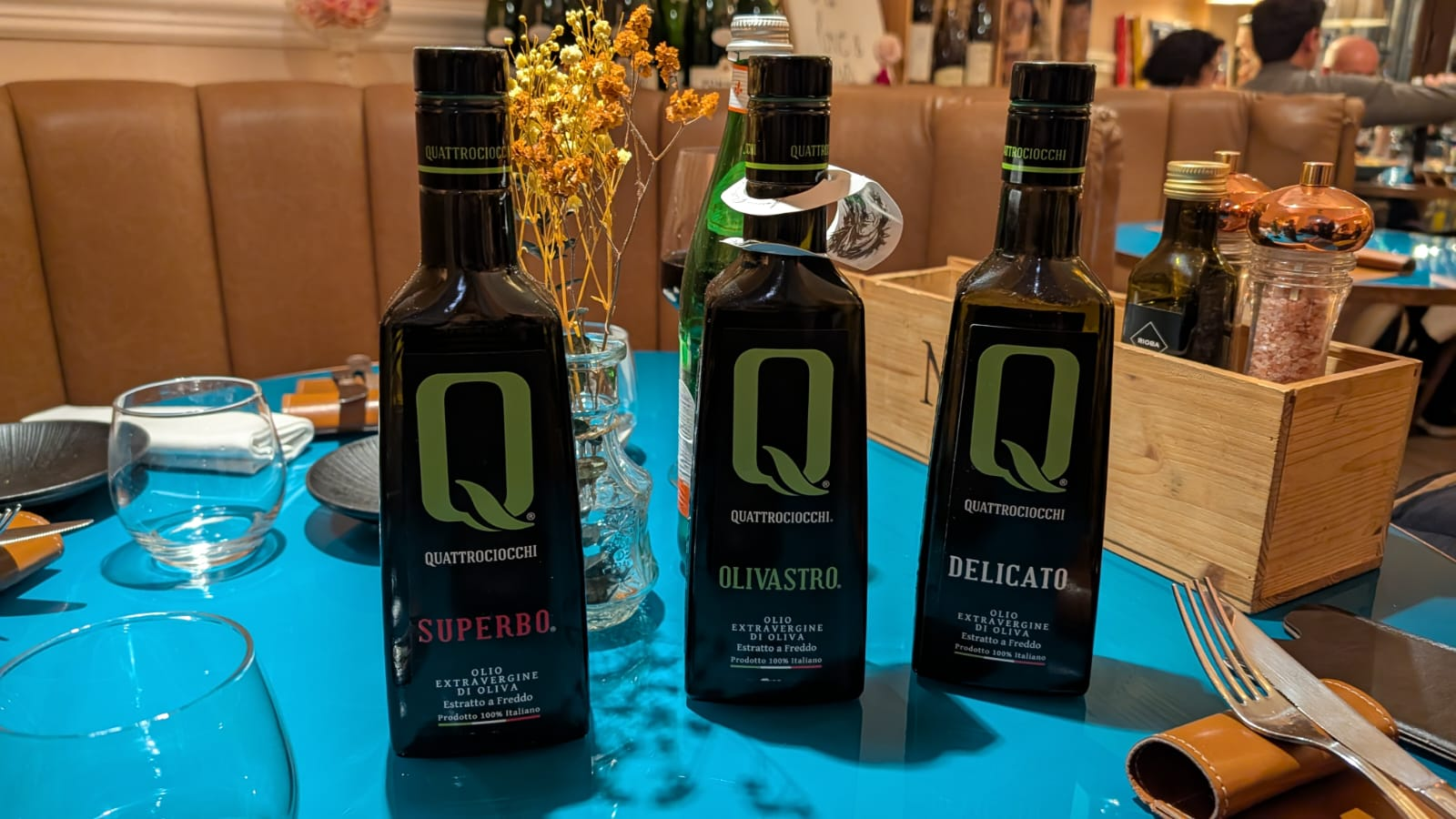
So I expected nothing unusual when I sat down at Trattoria Antonio al Pantheon, on via dei Pastini, two minutes from the portico. Then the card arrived. Three oils, three single cultivars, nine euros.
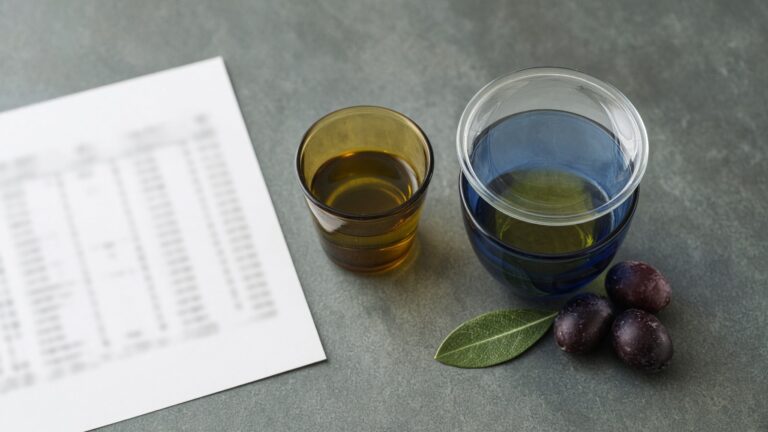
Three small bowls came out on a turquoise tabletop. Beside them sat a loaf of homemade durum and buckwheat bread, still warm. Nothing about it suggested ceremony.
And yet those bowls held oil from one of only nine producers in the world currently holding a perfect score in the Flos Olei guide.
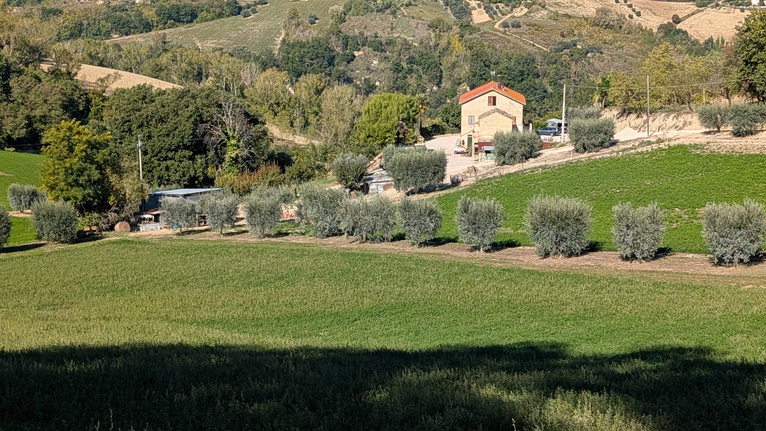
I am an Italian engineer, and I grow olives myself. Every November I have my own oil pressed. Even so, I learned something at that table. Here is what the tasting teaches, and why it keeps mattering long after you fly home.
One letter a month from inside central Italy.
The places, seasons and stories I don't put on the blog. No itineraries, no spam.
The Oil You Have Already Been Eating
The middle bowl held Olivastro, a single-cultivar oil pressed entirely from Itrana olives. Itrana is the cultivar behind the Gaeta olive. That is the small, wrinkled, purple-black table olive sold in American delis and supermarket jars.
In other words, most Americans have been eating Itrana for years. They simply never learned the name of the tree.
The olive takes its English name from Gaeta, a port town on the coast south of Rome. The cultivar grows across that part of Lazio. One olive, then, with two possible fates. Cure it in brine and it becomes the thing on your antipasto plate. Press it within hours of picking and it becomes an oil that wins national competitions.
This is why the tasting lands so hard. You are not discovering a new flavor. You are discovering that a flavor you already know has a name, a region, and a second life.
Italians talk about oil the way the French talk about wine. We name the cultivar first. Leccino, Moraiolo, Frantoio, Coratina, Itrana: each one tastes different, ripens differently, and behaves differently in the mill. A monocultivar oil comes from a single variety. Most supermarket oil, by contrast, is a blend, and often a blend across several countries.
So the first lesson of any olive oil tasting is simply that “olive oil” is not one thing. It is a category, the way “wine” is a category.
Three Bowls, Three Cultivars
The flight at Antonio is built as a ladder. It climbs from gentle to ferocious, and the order matters. Taste the strongest oil first and your palate is finished for the next ten minutes.
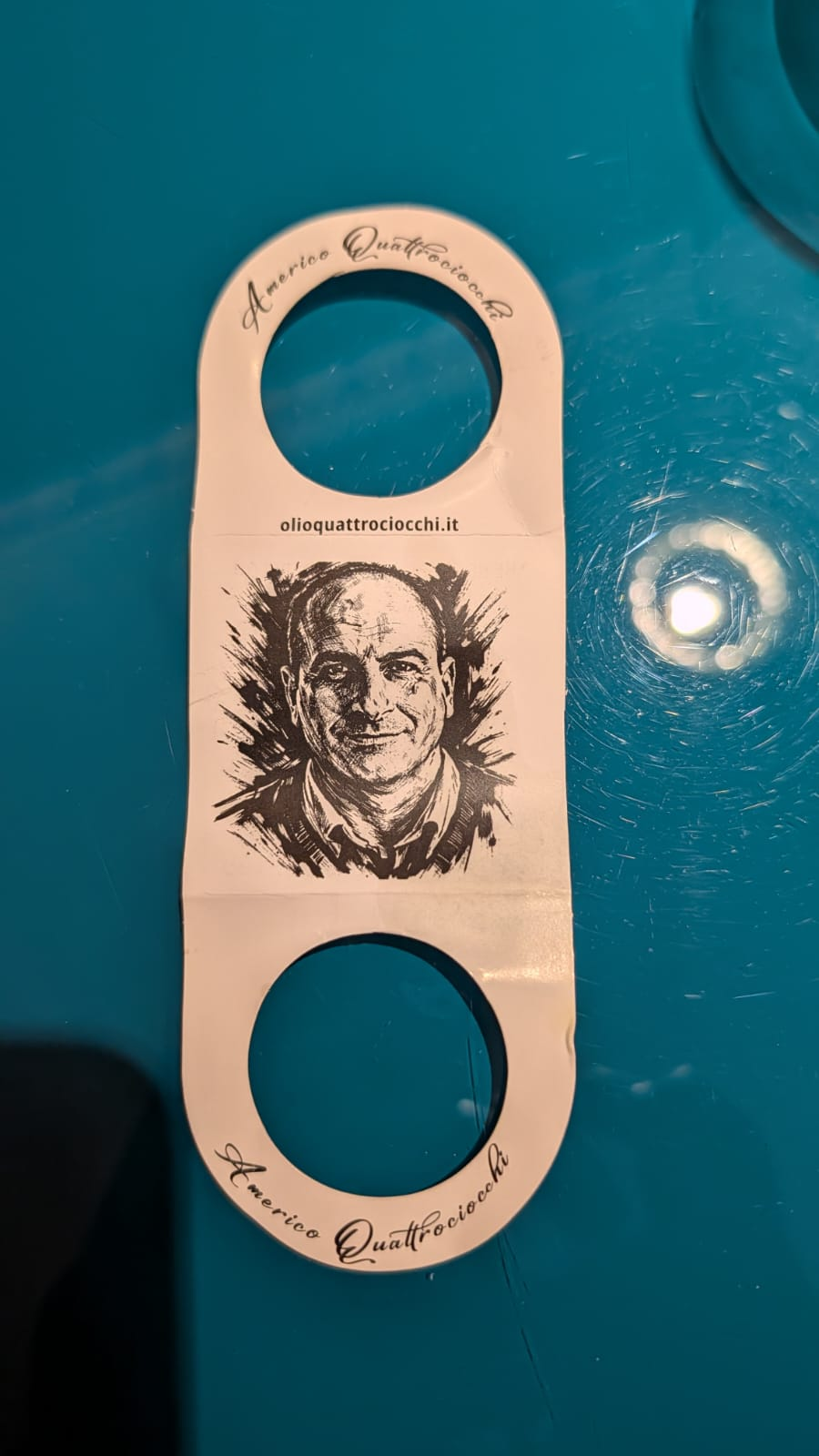
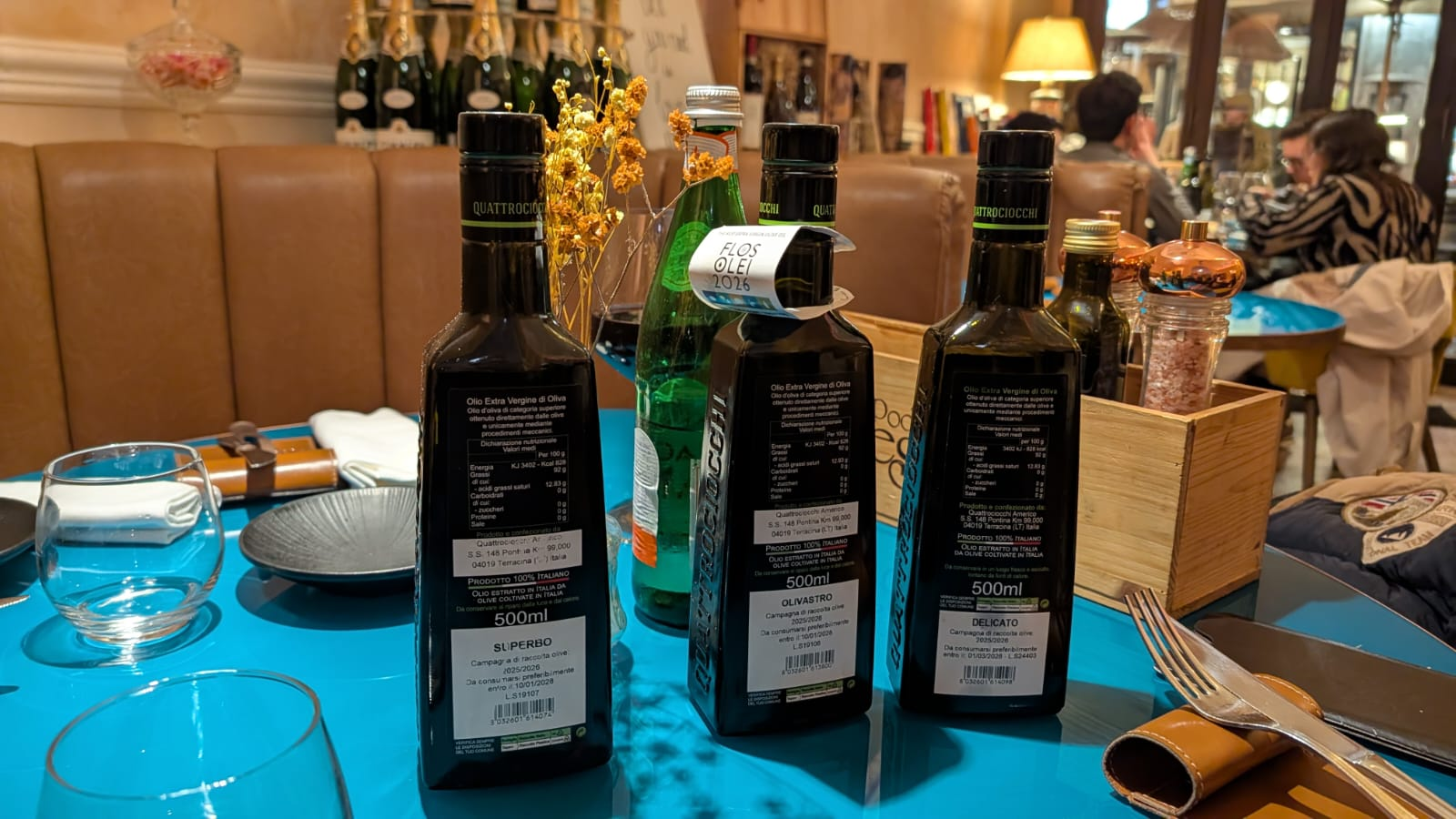
All three come from Azienda Americo Quattrociocchi, a family that has farmed olives in Lazio since 1888.
Delicato, from Leccino
Leccino is the diplomat of Italian cultivars. It ripens early, it tolerates cold, and it gives an oil that almost nobody dislikes.
Delicato is soft and faintly sweet, with a green-almond finish and very little burn. If you believe good olive oil is the oil you barely notice, this is the bowl that confirms you.
But it is also the bowl that sets the baseline. You need it to understand what follows. Start here, and the second oil will shock you.
Olivastro, from Itrana
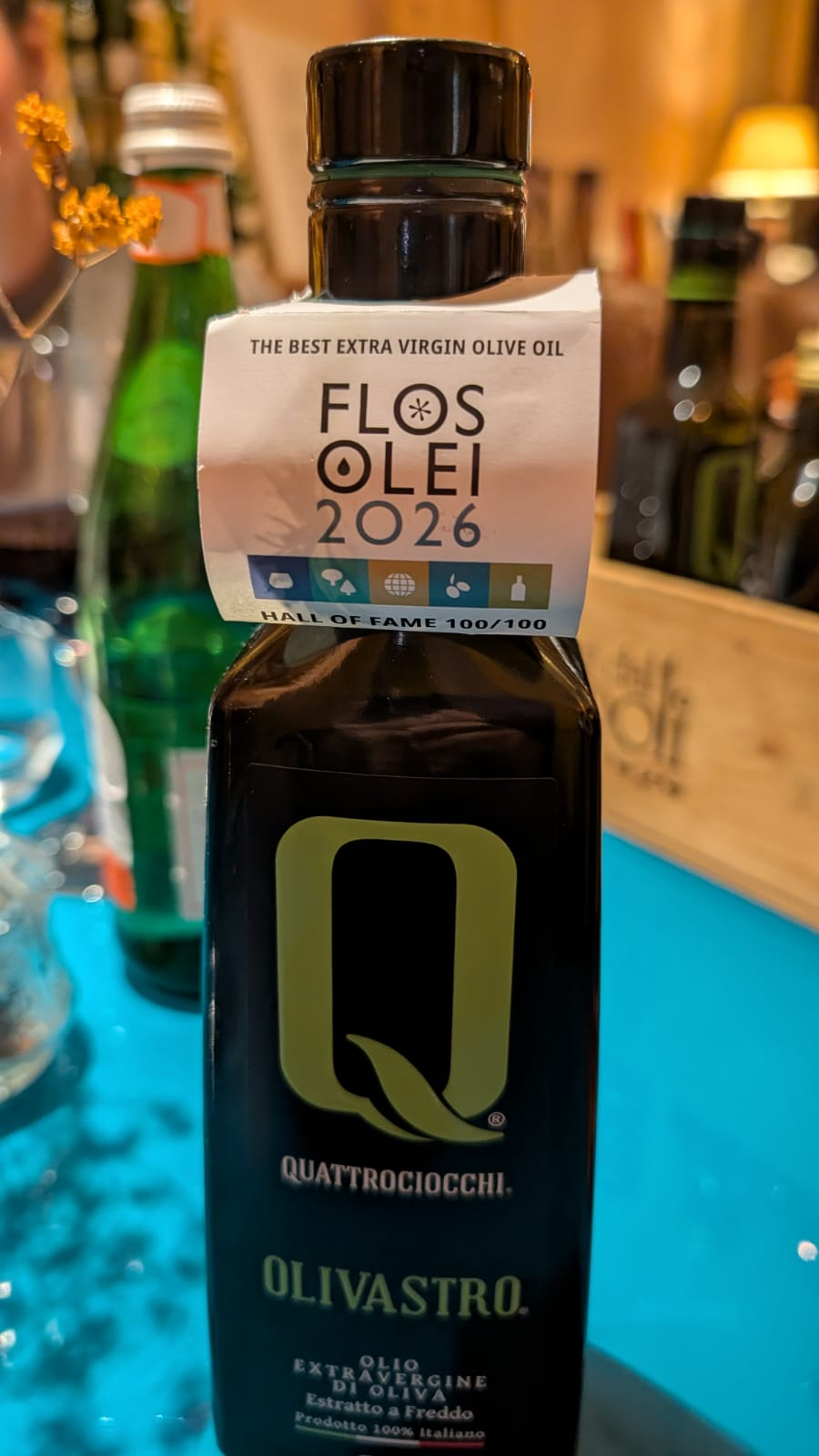
This is the oil that won. At the Ercole Olivario 2026, the thirty-fourth edition of Italy’s national olive oil competition, Olivastro took first place in the Extra Virgin Intense Fruity category. The ceremony was held at the Teatro Pavone in Perugia in April 2026.
On the tongue it opens green and herbaceous. Cut grass, then artichoke, then green tomato, then a late flash of apple. The bitterness builds slowly across the middle of the palate.
Then it bites. There is a distinct peppery catch at the back of the throat, and it arrives a second or two after you swallow.
That delay is the signature of a young, properly made oil. And once you have felt it, you cannot unfeel it. You will start looking for it in every bottle you open.
Superbo, from Moraiolo
Moraiolo is the cultivar of central Italy’s hill country, and it does not negotiate.
Superbo is intensely herbaceous, aggressively bitter, and sharply pungent. The burn is immediate and it lasts. An American friend of mine once took a spoonful and coughed, then apologized.
He should not have apologized. In a professional tasting panel, that cough has a name. Italians call this oil un olio che pizzica: an oil that stings.
How to Taste Without Feeling Foolish
There is a method, and it takes about thirty seconds.
First, cup the little glass in one palm and cover the top with the other hand. Warm it for ten seconds or so. Heat releases the volatile compounds, which is where the aroma lives.
Then uncover it and breathe in. Look for grass, tomato leaf, artichoke, green almond. If you smell crayons, wet cardboard, or old walnuts, the oil is defective.
Next, take a small sip. Do not swallow it yet. Draw air in sharply over the oil with your lips slightly parted, almost like slurping. It sounds ridiculous and it works, because the aerosol carries the compounds to the back of your nose.
Finally, swallow and wait. Count to three.
Now here is the part that changes how you shop. The bitterness and the throat burn are not flaws. They come from the oil’s polyphenols, the natural compounds that a fresh, carefully pressed oil carries and a tired one does not. A bland oil is not a gentle oil. It is usually an old one.
What a Hall of Fame Score Actually Means
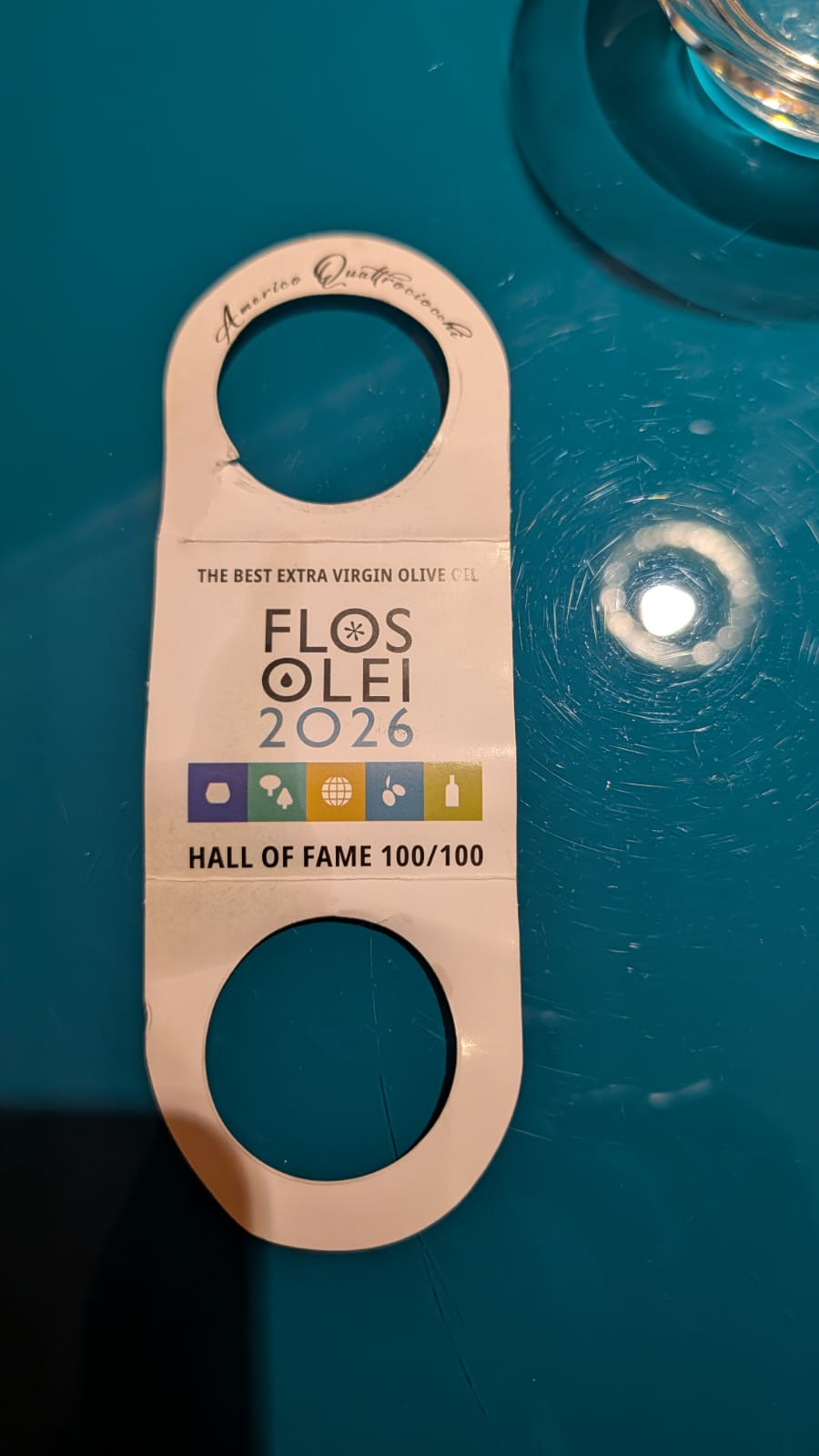
Around the neck of the bottle hung a small paper tag: Flos Olei 2026, Hall of Fame, 100/100.
There were two different claims on that table, and travelers routinely confuse them.
Flos Olei is a guide, compiled by Marco Oreggia and Laura Marinelli. The 2026 edition reviewed 761 oils from more than 500 producers across 57 countries. Its Hall of Fame score does not rate a single bottle. Instead, it rates the estate across years, weighing consistency, sustainability, and the producer’s effect on the local economy. Nine producers worldwide hold that score. Five of them are Italian.
The Ercole Olivario, by contrast, is a competition. Producers enter samples, a panel tastes them blind, and one sample wins its category that year.
So one tag measures a house over time. The other measures a bottle in a single harvest. Both are meaningful. They are not the same claim.
And here is the part nobody puts on a label. Competitions are voluntary, and entering costs money. A superb producer who never enters anything wins nothing. The absence of medals tells you almost nothing about quality.
Use awards the way you would use a restaurant guide. They are a shortcut to a shortlist, not a verdict.
Nine Euros, and What Eighty Does Not Buy
Within a few blocks of that table, tour operators sell guided olive oil and wine tastings for seventy to eighty euros per person. Some of those are genuinely good. I want to be fair about what each option actually gives you.
At Antonio you get the product and nothing else. No sommelier, no presentation, no explanation of harvest dates. The waiter sets down three bowls and walks away. You bring your own curiosity, or you bring none and it is simply a nice starter.
A guided tasting gives you structure, context, and someone to answer questions. If you want to understand oil rather than drink it, that is worth paying for.
So I would not pretend nine euros replaces a course. It does not.
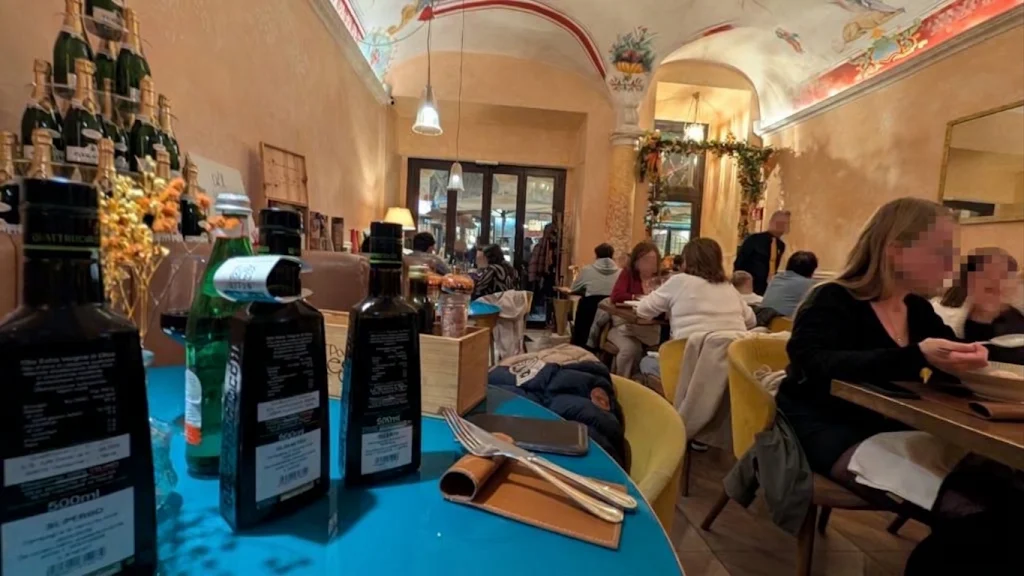
I should also be honest about the setting. This is a tourist-heavy block, roughly a hundred metres from one of the most visited buildings on earth. The trattoria is busy, loud, and close-packed. Go for the oil and the Roman classics. Do not go expecting a quiet evening, and book ahead rather than turning up at eight and hoping.
What nine euros buys you is access. It puts a nationally awarded oil in front of you for the price of a cocktail, in a city where that is not supposed to happen.
Taking the Flight Home
Here is the practical problem. You taste three extraordinary oils in Rome, you go home, and the supermarket shelf makes no sense again.
The good news is that these specific oils reach the United States. Quattrociocchi’s range is carried by Olive Oil Lovers, a US importer that ships nationally.
If you want to recreate exactly what I tasted, the Organic Mini Quattro set is the closest thing available. It holds four 100ml bottles of the estate’s main oils, which is enough to run the same ladder on your own kitchen table with your own bread. Here is the detail that surprised me: the four-bottle set costs slightly less than a single full-size bottle of any one of them. If you are new to this, start there rather than gambling forty dollars on one intensity you may not like.
For a full bottle, pick by intensity rather than by price. Olivastro is the award winner and the one I would open for a salad of bitter greens or a bean soup. Superbo is the one for grilled meat, for anyone who wants the burn. Delicato suits fish and anyone easing into the category.
Whatever you buy, read the label the way an Italian does.
Look for the harvest date, not the best-before date. Oil is a fruit juice, and it fades. Within eighteen months of harvest is good, and fresher is better. Then check the glass. It should be dark, or the oil should come in a tin. Clear bottles under supermarket lights are a problem, because light degrades oil faster than almost anything else.
If You Go
Trattoria Antonio al Pantheon sits on via dei Pastini, a short walk east of the Pantheon itself. It opens late morning, around 11:30, and prices sit in the usual central-Rome band for a sit-down meal.
Ask for the degustazione di oli. It was listed on the card as an antipasto when I was there, so you order it the way you would order anything else. It arrives with the house bread, and the bread genuinely matters, because a neutral, slightly coarse loaf lets the oil speak.
One practical note. Do the tasting before the wine, not after. Tannin flattens your palate and you will lose most of what the oils are doing.
And if you can time it, come in November or early December. That is when olio nuovo, the new harvest oil, reaches Roman tables. It is cloudy, violently green, and at its most aggressive. Romans eat it the simplest possible way, on grilled bread rubbed with garlic.
If your flights do not line up with the harvest, the same estate releases a novello of its own each autumn, in small quantities, and it crosses the Atlantic within weeks of pressing. It is the one time of year when an American kitchen can taste what a Roman table tastes.
An olive oil tasting is the cheapest education available to a traveler in Italy. It costs less than a museum ticket, it takes ten minutes, and it permanently changes what you reach for in your own kitchen.
You came to Rome for the architecture. Take the oil home as well.
If you want more of this — the things Italians know and rarely explain — subscribe to the newsletter. One letter a week, written from here.