The 1693 Sicily Earthquake That Built a Baroque World
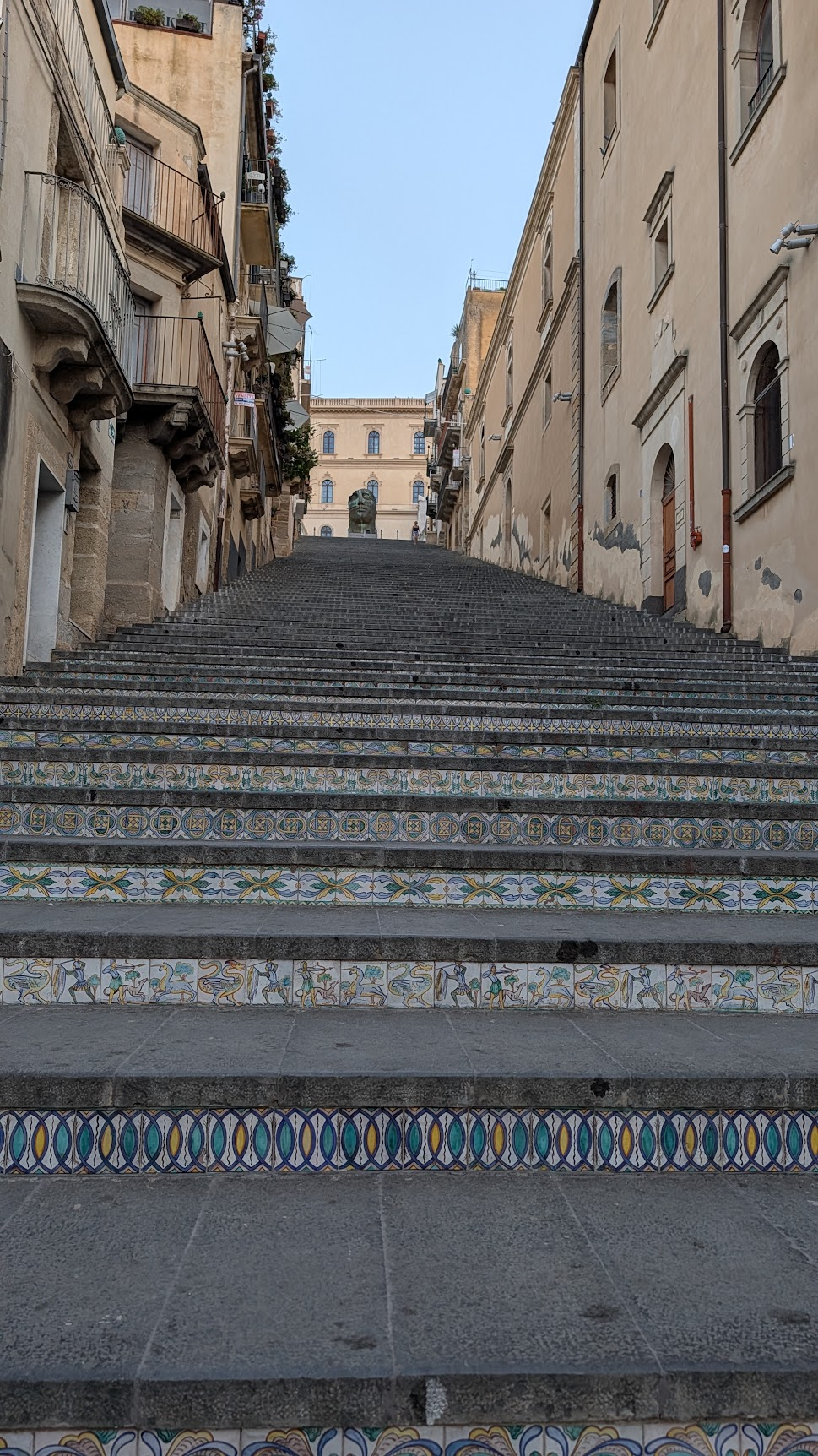
The staircase of Santa Maria del Monte in Caltagirone climbs a hundred and forty-two steps up the flank of a hill. Every riser is faced in hand-painted majolica tile. Visitors photograph the pattern. I found myself reading the risers themselves: narrow, shallow, built for a body moving fast downhill. I walked this staircase in late summer 2026 with a habit I have never switched off after thirty years assessing buildings in Italy’s own seismic zones. I read streets and stairways the way other people read menus. What I saw in Caltagirone, and later in Catania and Ortigia, was not decoration. It was a set of engineering decisions. Most were made without calculation. All were made without choice, in the years after the ground opened under southeastern Sicily on January 11, 1693.
Art historians call the result Sicilian Baroque. UNESCO calls it the Late Baroque Towns of the Val di Noto. Both names are accurate. Both leave out the part that matters most to someone trained to look at a building and ask if it will still stand in a century.
Southeastern Sicily is Baroque because it had almost no choice. On January 11, 1693, a massive earthquake hit the area between Catania and Syracuse. It measured roughly magnitude 7.4, the strongest ever recorded in Italian history. A damaging foreshock had already struck two days earlier, on January 9. Estimates of the dead vary by source, from roughly 54,000 to 60,000 [VERIFY: even Italian seismological sources disagree]. The number of towns destroyed or badly damaged also varies, from about 45 to over 70 [VERIFY]. Rebuilding happened fast, in one generation, under one authority, using local stone and a shared visual language. In 2002, UNESCO listed eight of the rebuilt towns as World Heritage sites: Caltagirone, Militello Val di Catania, Catania, Modica, Noto, Palazzolo Acreide, Ragusa, and Scicli. The listing recognized one thing above all: a disaster response that became, over three centuries, a single regional style.
What Happened
The first shock came on January 9. It measured roughly magnitude 6.2. It damaged buildings and killed people, without warning anyone what was still coming. Two days later, around nine in the evening, the main earthquake struck. Italy’s national seismic catalogue, the INGV’s CPTI15, now places it at roughly magnitude 7.4. By contemporary accounts it lasted close to four minutes. The epicenter’s exact location stays uncertain, likely offshore or near the coast between Catania and Syracuse. Its effects covered more than 5,600 square kilometers.
Catania was devastated almost completely. Of a population of roughly 20,000, an estimated 16,000 died. Ragusa lost around 5,000 of 9,000 residents. Tsunami waves as high as eight to ten meters hit the Ionian coast and the Straits of Messina afterward. They drowned what the shaking had not already destroyed.
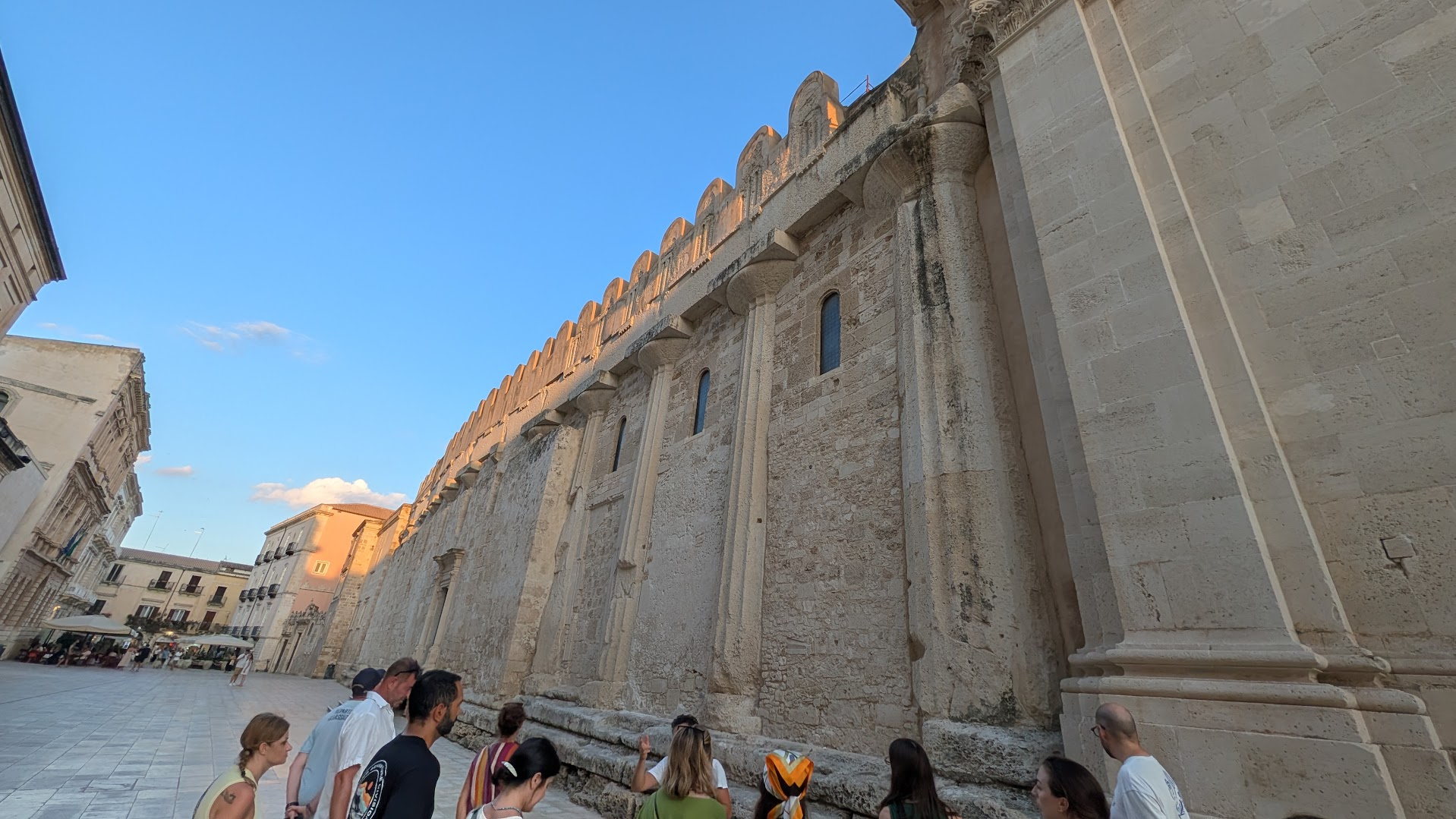
The scale of the collapse had a building reason too, not just a seismic one. Before 1693, walls had loose rubble cores and weak bonding. Roofs were heavy timber and tile. Streets were narrow and winding, and they trapped debris instead of clearing a path out. No one built for earthquakes back then. The timber-braced casa baraccata method, Italy’s first real answer to seismic risk, only came after Calabria’s 1783 quakes — ninety years later. What fell in 1693 fell because nothing in its design had ever planned for the ground to move.
The Three Decisions
Three cities lay flat. There was no precedent for what to do next. The recovery was led chiefly by Giuseppe Lanza, Duca di Camastra. The Spanish viceroy named him vicario generale — something close to a modern emergency commissioner — just eight days after the main shock. Under his direction, three different answers emerged to the same structural problem. All three are still visible on the ground today.
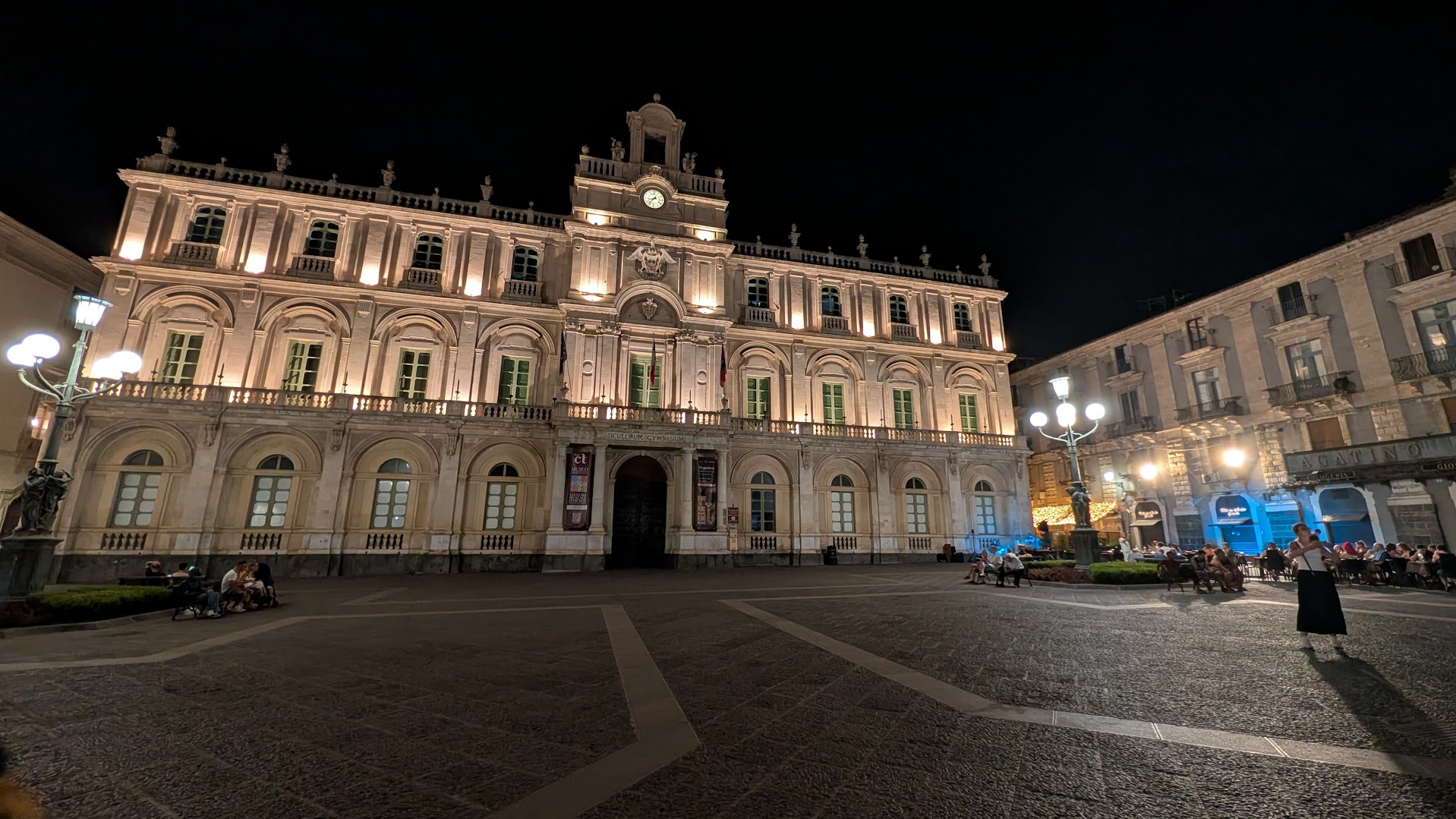
Catania rebuilt on its own ruins. The choice was practical, not sentimental. Its fortifications had to stay put, so leaving the site was never seriously weighed. Camastra’s planning commission approved a new street plan in June 1694. The team included the military engineer Carlos de Grunenbergh and the Jesuit architect-priest Angelo Italia. Wide, straight roads were cut through the rubble, with via Etnea as the new spine of the city. Local tradition says the street was meant to point straight at the summit of Etna. It veers slightly off-axis instead — a surveying error that became civic folklore rather than an embarrassment.
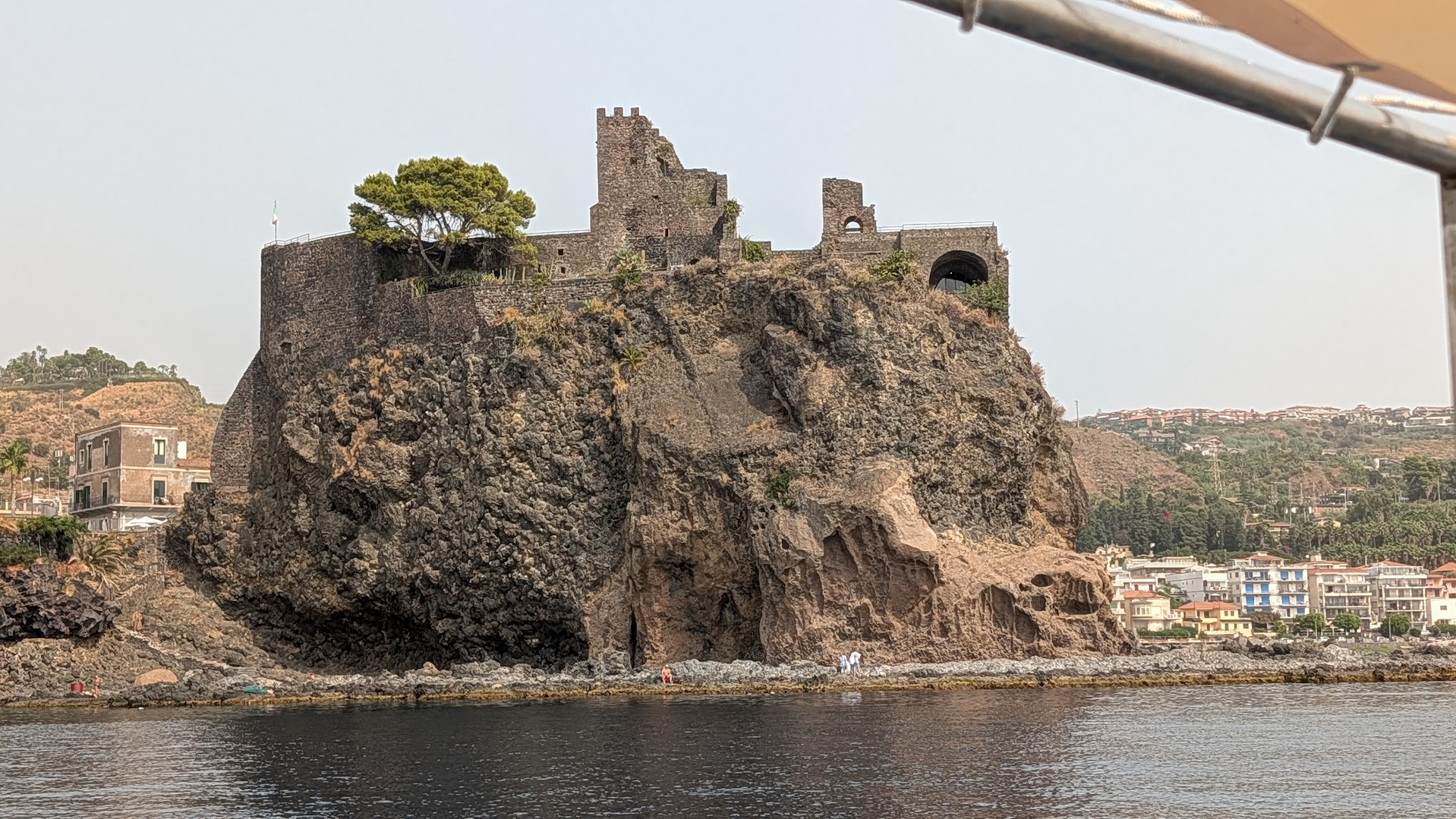
Noto did the opposite. The old town sat on an unstable hillside that had amplified the shaking, and it was judged unfit to rebuild on. The new Noto rose roughly ten kilometers away, on more stable ground, planned from scratch with the wide streets and terraced piazzas that define it today. The abandoned original site, now called Noto Antica, still sits in ruin in the hills. It is a genuine ghost town, not a themed one.
Ragusa did both. Wealthier residents, tied to the parish of San Giovanni Battista, rebuilt on a safer plateau nearby. That became Ragusa Superiore, laid out on a rational grid. The old nobility stayed loyal to the parish of San Giorgio and to ancestral land. They insisted on rebuilding directly on the original, more precarious site: Ragusa Ibla. For more than two centuries the two towns ran as separate municipalities, each with its own council. They were reunited only in 1926. Ragusa may be the clearest example in Europe of what happens when a community answers an engineering question with a compromise, not a decision.
The Project, Read by an Engineer
Once the political decisions were made, the design choices that followed read, to a trained eye, like a string of correct instincts. There was no formal code to follow. None existed yet. Italy’s first seismic building rules were more than two centuries away. The Val di Noto builders got things right the hard way — through trial, failure, and the memory of what had just killed tens of thousands of people.
Start with the streets. The ones Camastra’s planners drew in Catania, and the ones drawn from scratch in the new Noto, are consistently wide next to building height. This is not a taste for open space. It is an evacuation plan, made without the word yet existing. A collapsing four-story building sheds rubble roughly equal to its own height, out from the base. A narrow street becomes, in an aftershock, a trap that blocks the exact route people need to escape.
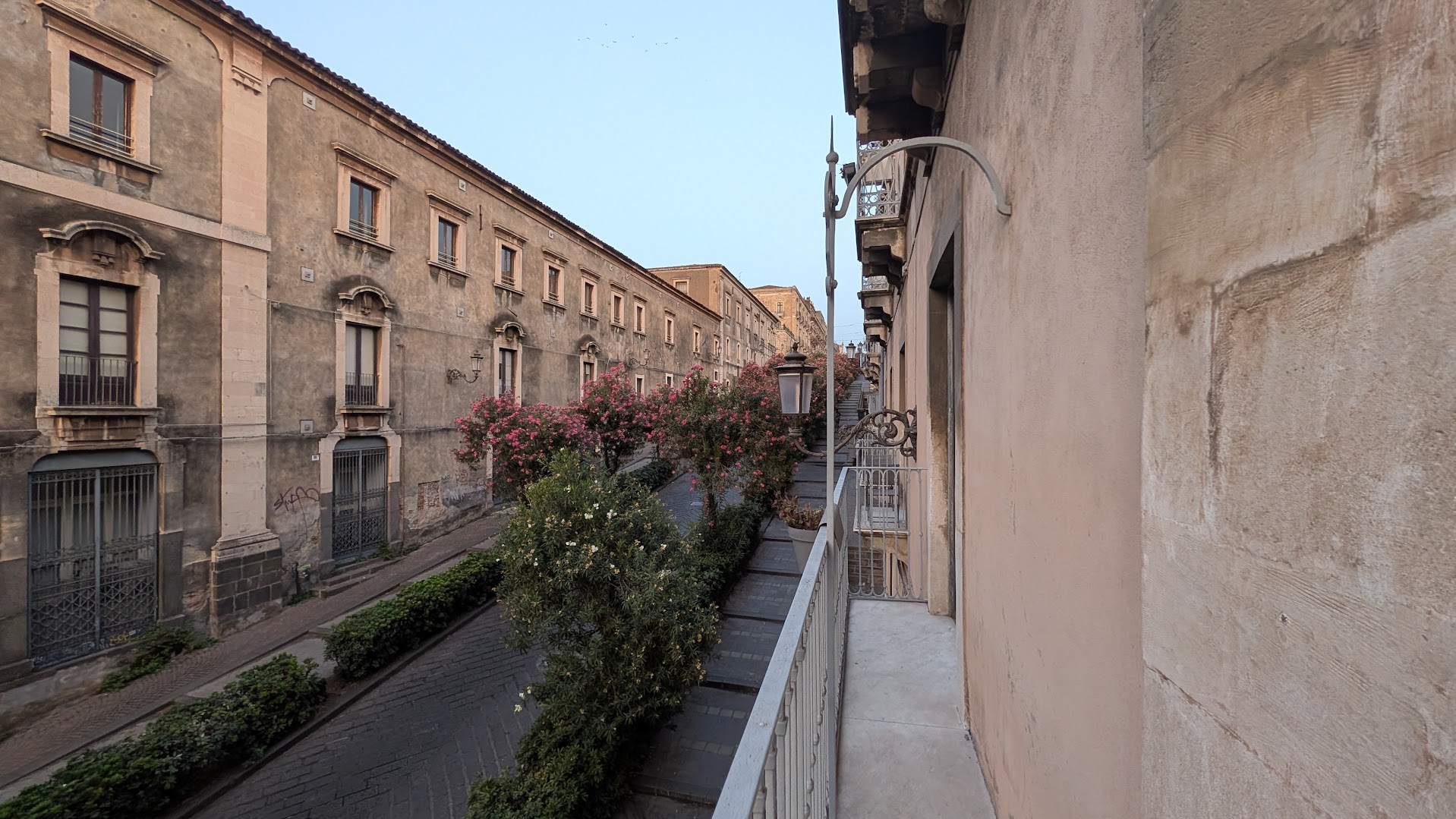
Building heights came down, too. Palazzi that might once have risen four or five stories were typically rebuilt at two or three. Footprints got wider. Centers of gravity got lower. A short, squat building sways less and fails less badly than a tall, narrow one. That is basic structural dynamics. The builders reached it without knowing the physics, purely from watching what had just fallen — and what, sometimes, had not.
The staircases and terraces that photograph so well are not only scenic. Think of Caltagirone’s Santa Maria del Monte, the triple staircase before Noto’s cathedral, or the stepped streets linking Ragusa Ibla to Ragusa Superiore. On a hillside, a terrace works as a retaining wall. It breaks a slope into shorter, steadier segments, and it cuts the load any single wall has to carry. I still specify terracing for hillside buildings in the Marche today, for this exact reason.
Facades curve, both in and out. Buildings often step back from the street in staggered planes instead of forming one flat wall — quinte, theater wings borrowed from stage design. The scenic effect is real and intentional. So is the structural one. A curved or broken facade spreads load differently than a long flat one, and it breaks up the kind of cracking that runs unchecked along a straight wall.
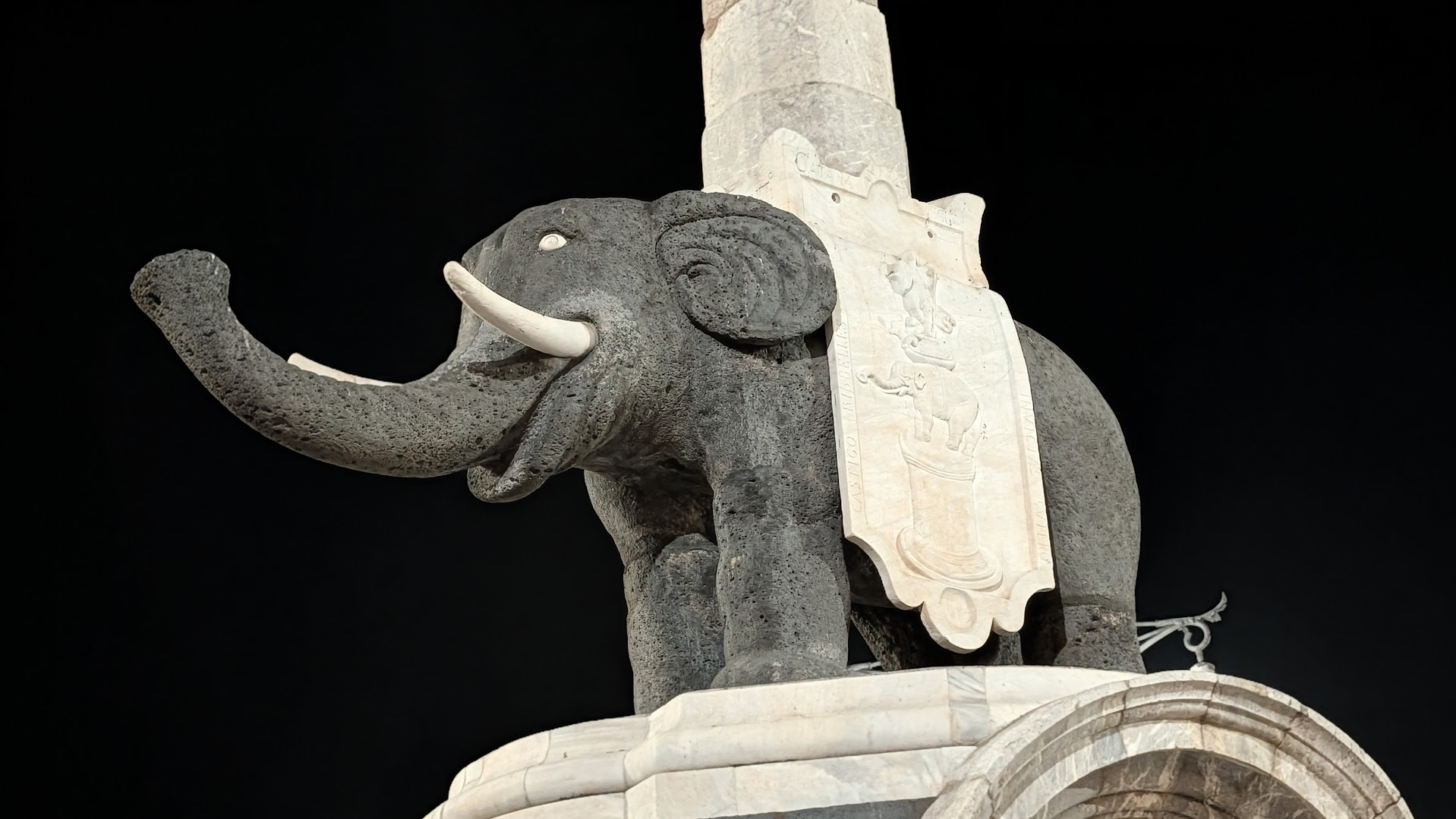
Material choice followed geology, and it still matters for anyone assessing these buildings today. Noto and Modica were rebuilt largely in local calcarenite, a soft golden limestone. It carves easily into the deep cornices that define Sicilian Baroque ornament, but it wears down faster than harder stone. Catania rebuilt in pietra lavica, the black basalt of its own volcano. It is harder and denser than calcarenite, and part of why the city reads darker and starker than its Baroque cousins to the south.
None of this was calculated in the modern sense. The builders added what any pre-code mason had on hand after watching a city fall. Iron rods ran through the masonry, to stop walls from splaying outward. Stone buttresses braced the weakest corners. And one instinct ran through all three cities, expressed differently in each: mass and height were now the enemy, not the goal.
What the Baroque Didn’t Solve
None of this makes the Val di Noto earthquake-proof. It is worth saying that plainly, because the region’s own history has already made the point once.
On the evening of March 13, 1996, the dome and much of the nave of Noto Cathedral collapsed. The cause was not the 1693 earthquake directly. It was a mix of newer problems. Unrepaired weakening from a 1990 earthquake played a part, along with poor 1950s renovation work that swapped the cathedral’s light timber roof for a much heavier concrete one. The original piers were never sized for that extra weight. Worse, some pier interiors turned out to be filled with loose river stones instead of solid, bonded masonry. It was a preventable failure, on top of a building that had already survived the disaster that created it. Reconstruction took eleven years. The cathedral reopened on June 18, 2007.
The point goes beyond one building. Calcarenite, the soft golden stone that gives Noto and Modica their glow, wears down faster than harder pietra lavica. Centuries of deep, carved cornices create exactly the kind of cracks and moisture traps that speed up that decay. And the region has not stopped shaking. Sicily updated its seismic hazard map in 2022, after almost twenty years untouched. Ragusa and Modica moved into zone 1, the highest-risk category. Catania and most other Val di Noto towns stayed in zone 2. These are not retired earthquake zones with pretty buildings on top. They are active seismic zones that happen to have pretty buildings on top — and a good share of those buildings have never been brought up to current seismic standards.
Fifty Years Against Ten: 1693 and the Marche in 2016
I live and work in Le Marche, the same region that shook apart in August and October 2016. I cannot walk through Noto or Ragusa without running the comparison. That comparison is the whole point of visiting as an engineer, not a tourist.
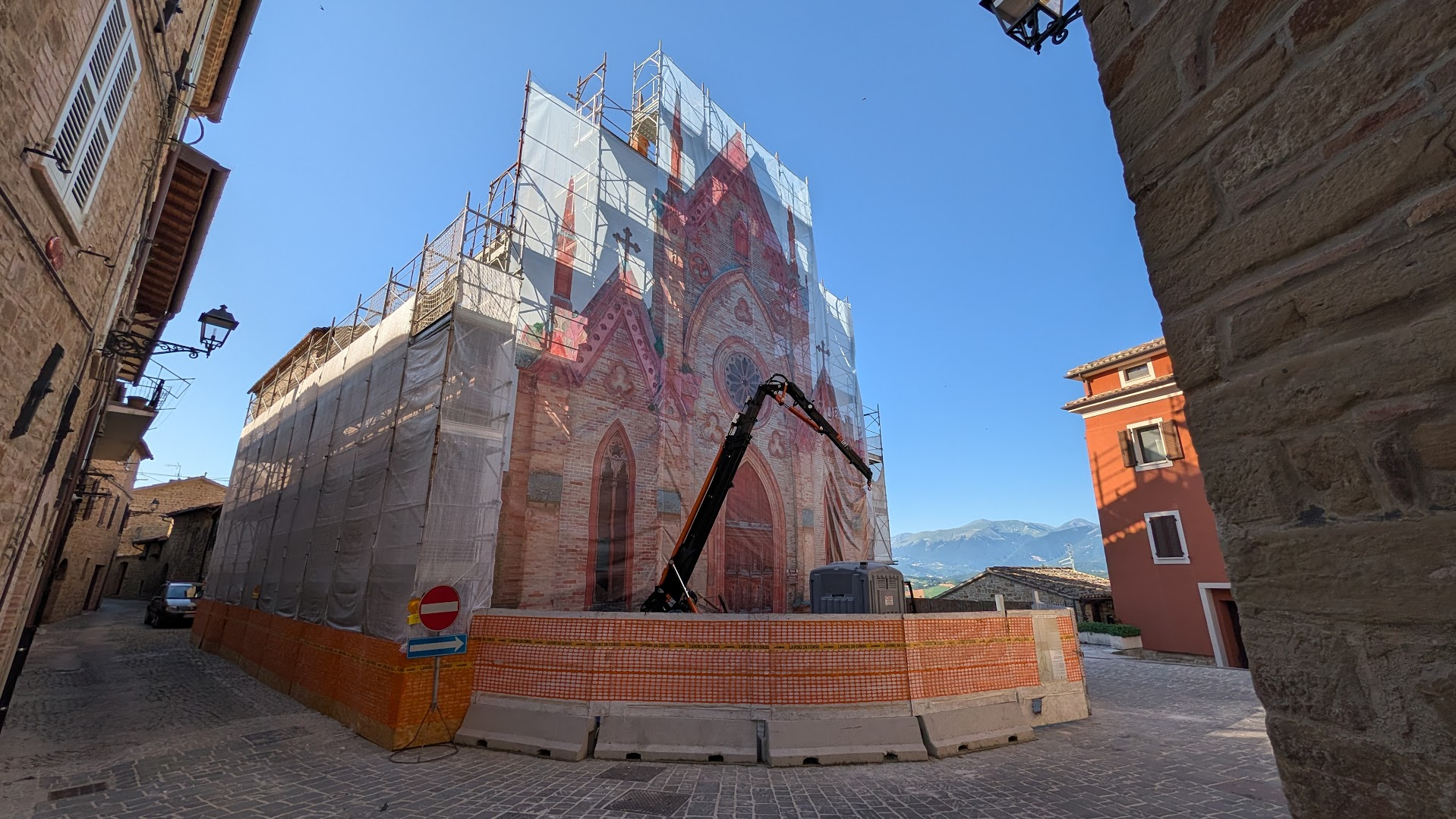
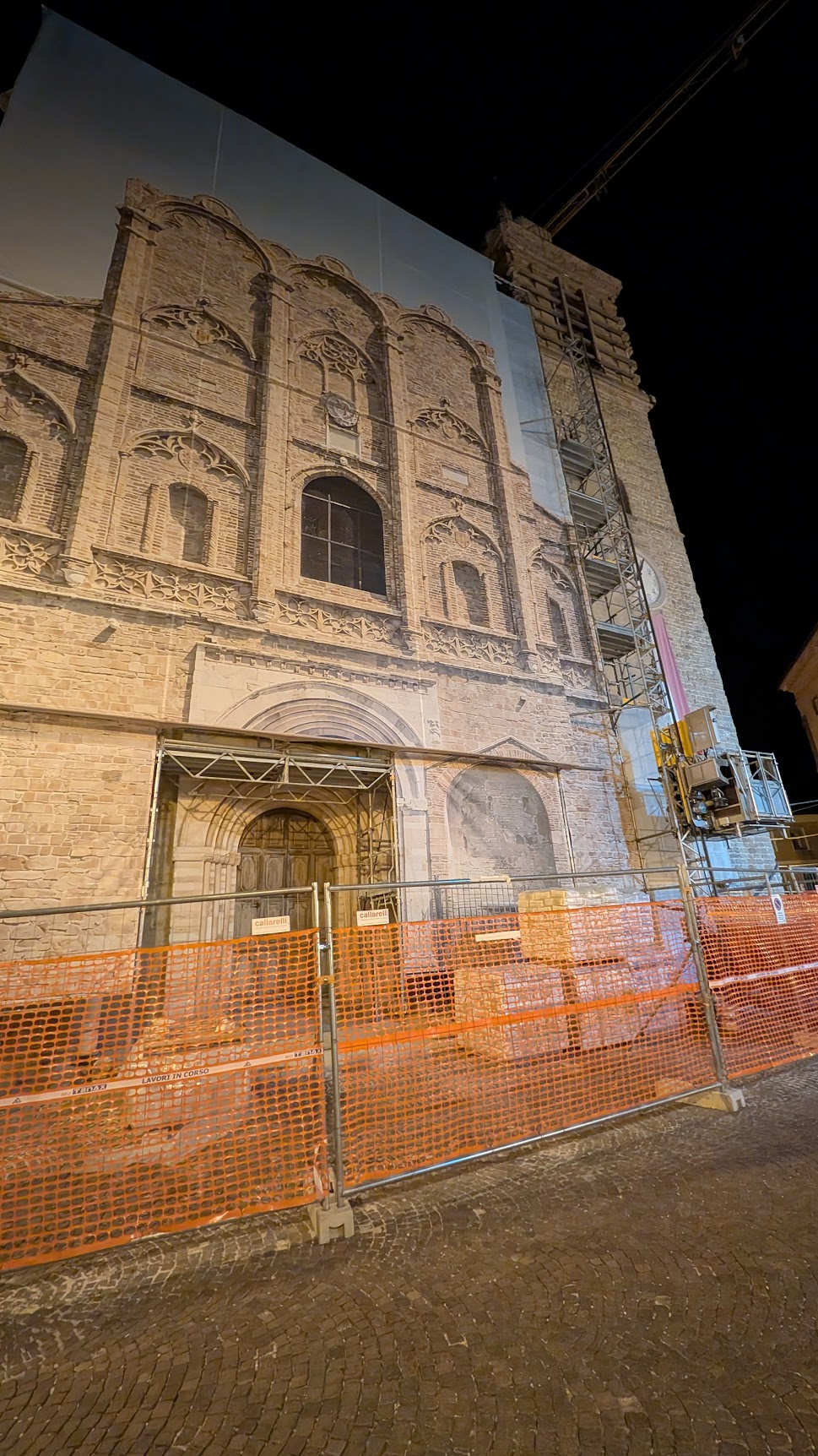
Sicily’s post-1693 rebuild moved at a speed that looks, on paper, almost miraculous. Most of the core work across the Val di Noto was done within about fifty years. The Marche’s 2016 rebuild, ten years on, is still visibly unfinished. Towns like Visso, Ussita, Camerino, and Castelsantangelo sul Nera still live with scaffolding, temporary steel housing, and closed historic centers, day to day.
The instinct is to read this as modern bureaucracy failing where the old world succeeded. That instinct is wrong, and it is worth explaining why. Camastra ran the post-1693 rebuild with what old records call poteri quasi assoluti, near-absolute power. The viceroy handed it to him days after the quake. There was no concept of private property rights, as we know them today, standing between his commission and a family’s ruined home. There was no public bidding law for contracts. There was no independent heritage body that could object to a plan. Labor was mobilized, sometimes by force. Money came from extraordinary taxes, set by decree, not voted on by anyone. Camastra could simply decide Noto would move ten kilometers, and it moved.
Modern rebuilding in the Marche is slow largely because none of that machinery exists anymore, and bringing it back would cost more than it would save. Every rule that slows Castelsantangelo sul Nera down exists for a reason. Heritage review. Competitive bidding. Environmental checks. A resident’s legal right to fight a demolition on their own land. At some point in the last century, the alternative was judged worse than slowness. The fair comparison is not that the seventeenth century handled disaster better than the twenty-first. It is that the seventeenth century handled disaster the only way an absolute monarchy without individual rights could. It removed the friction those rights create. The cost of the Marche’s slower, more contested rebuild is, in a real sense, the cost of rights the Val di Noto’s builders never had to work around. Neither Visso nor Ussita is a spectacle to tour for being unfinished. People there are still living that trade-off, right now.
What This Means If You’re Buying a House in Italy
For most visiting Americans, the Val di Noto is a place to look at, not a place to buy in. But the engineering lesson applies to anyone shopping for a “historic” or “Baroque” property anywhere in Italy. That includes the farmhouses I assess closer to home, in towns like Sarnano.
A building’s age and style tell you almost nothing about its structural condition. A house rebuilt after a major earthquake can be genuinely safer than one of the same era that was never touched by disaster. The untouched one may have quietly built up unaddressed cracks and deferred maintenance for three hundred years. The reverse is just as true: an untouched building can hide serious weaknesses that only show up under load. What matters is not whether a building fell down once. What matters is what was done to it afterward, by whom, and to what standard. A listing photo will never answer that question, and a notary is not equipped to investigate it.
That is the whole case, in short, for a structural survey before you sign anything on a historic Italian property. It is the same reasoning behind the independent pre-purchase surveys I offer for properties in Le Marche. A house does not need to be beautiful and safe at once. It needs an engineer to say, honestly, which of those two things is true.
How to Read These Cities in Person
Go in the off-season if you can. Late October through March avoids both the heaviest heat and the crowds that clog Ortigia’s narrow lanes in summer. Catania in August also sits, quite literally, on black stone that absorbs and radiates heat. Midday walking is unpleasant there regardless of the architecture.
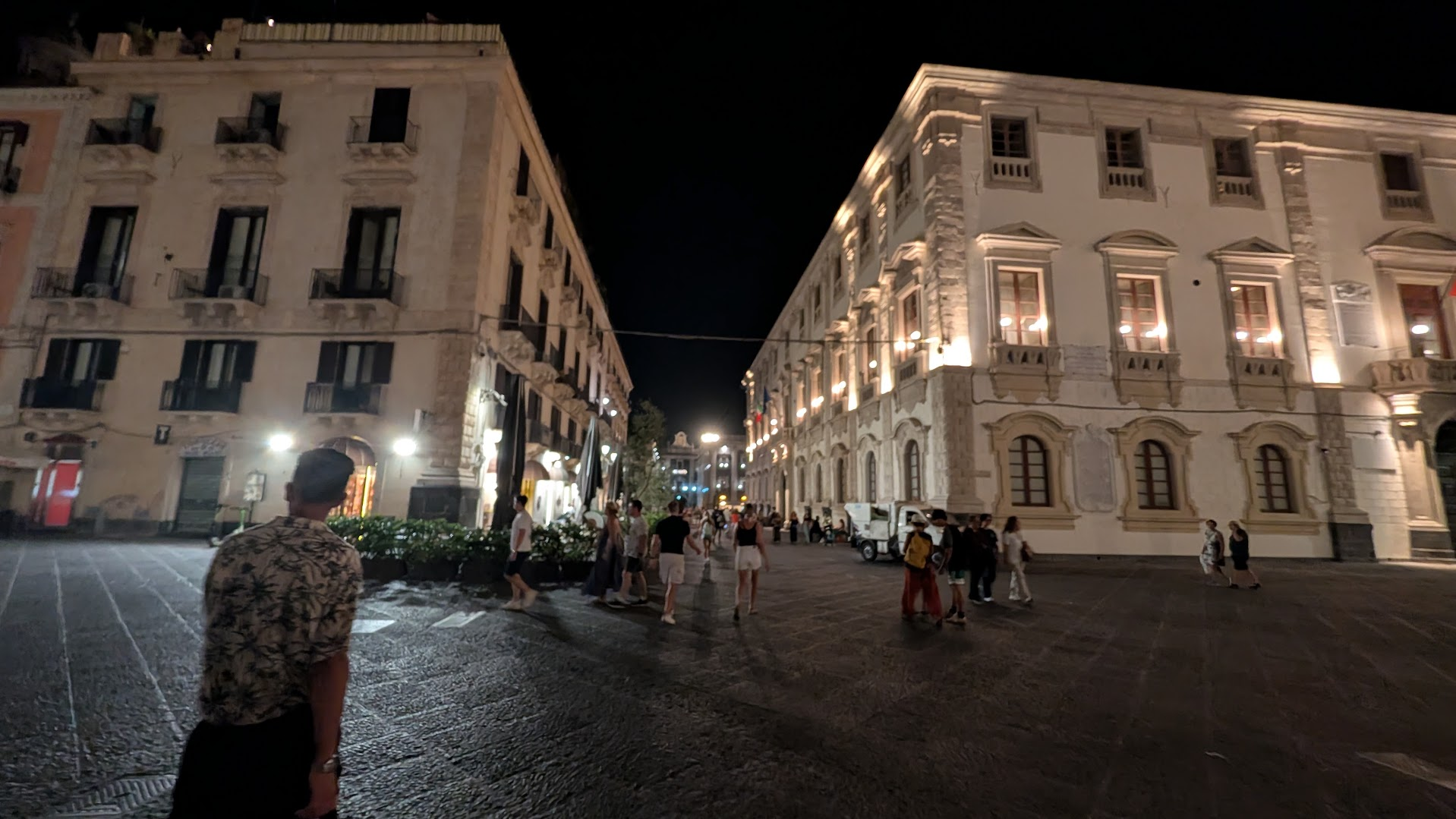
In Catania, walk via Etnea north from Piazza del Duomo. Notice the slight bend Camastra’s surveyors left in the road — a small human error frozen into three centuries of urban fabric. In Noto, climb the cathedral staircase at golden hour, when the calcarenite genuinely turns the color the guidebooks promise. Then make time for Noto Antica in the hills above. The abandoned original town sits in permanent, unphotographed ruin there — a useful corrective to how polished the rebuilt Noto can feel. If your visit lines up with May, Noto’s Infiorata flower festival turns the cathedral staircase into a flower carpet. In Ragusa, cross between Superiore and Ibla on foot, not by car. The bridges over the Valle dei Ponti are the only way to feel how deep the old civic rivalry ran.
What I would skip: the heavily marketed Montalbano filming-location tours that treat Ragusa Ibla purely as a television set. The architecture earns attention on its own merits, and turning it into a detective-show backdrop undersells the whole story. Pairing a Val di Noto trip with the rest of the island? Sicily has another quiet claim to fame at the opposite end: Palermo’s espresso tradition, worth its own read.
FAQ — The 1693 Earthquake and the Val di Noto
How many of the Val di Noto’s Baroque towns are UNESCO World Heritage sites?
Eight: Caltagirone, Militello Val di Catania, Catania, Modica, Noto, Palazzolo Acreide, Ragusa, and Scicli. UNESCO listed them together in 2002 as the Late Baroque Towns of the Val di Noto.
Is southeastern Sicily still an active seismic zone today?
Yes. Sicily updated its regional seismic classification in 2022. Ragusa and Modica now sit in zone 1, the highest hazard category. Catania and most other Val di Noto towns remain in zone 2.
Can you visit Noto Antica, the original town abandoned after 1693?
Yes. The ruins sit in the hills roughly ten kilometers from modern Noto and are open to visitors. The site is undeveloped compared to the rebuilt city, so sturdy shoes and a car or organized tour help.
How many days do you need for a Val di Noto itinerary?
Three to four days allows unhurried time in Noto, both halves of Ragusa, and Modica, plus a day trip to Catania. Adding Caltagirone or Scicli comfortably stretches the trip to five or six days.
Why is Catania built in black stone while Noto and Modica are gold?
Catania rebuilt using local pietra lavica, the volcanic basalt of Mount Etna. Noto and Modica used calcarenite, a pale local limestone. The choice followed available geology, not aesthetic taste, and it gives each city a distinct character.
Does a building’s Baroque or historic status mean it’s structurally sound?
No. Style and age say nothing about current structural condition on their own. What matters is what has been done to a building since it was built or last rebuilt, and by whom — exactly the question a pre-purchase structural survey is built to answer.
The Takeaway
The Val di Noto rewards a slower kind of looking than most Sicilian itineraries allow for. What reads as ornament from a car window reads as engineering from the street. A width of road, a curve in a facade, a staircase that doubles as a retaining wall — none of it happened by taste alone. None of it happened because the seventeenth century handled disaster better than the twenty-first. It happened because a catastrophe forced three cities into three different bets about how to survive the next one. All three bets are still standing, still legible, and still worth reading closely.
If you want more of this kind of reading — Italy explained by someone who assesses buildings for a living, not just photographs them for a feed — explore more of Tastes & Wonders of Italy. Planning a purchase in Le Marche? You can book an orientation call here for an engineer’s honest read on a property before you commit.
🌍 https://tasteandwondersofitaly.com/
—