Sarnano, Le Marche: Why People Are Quietly Buying Homes Here
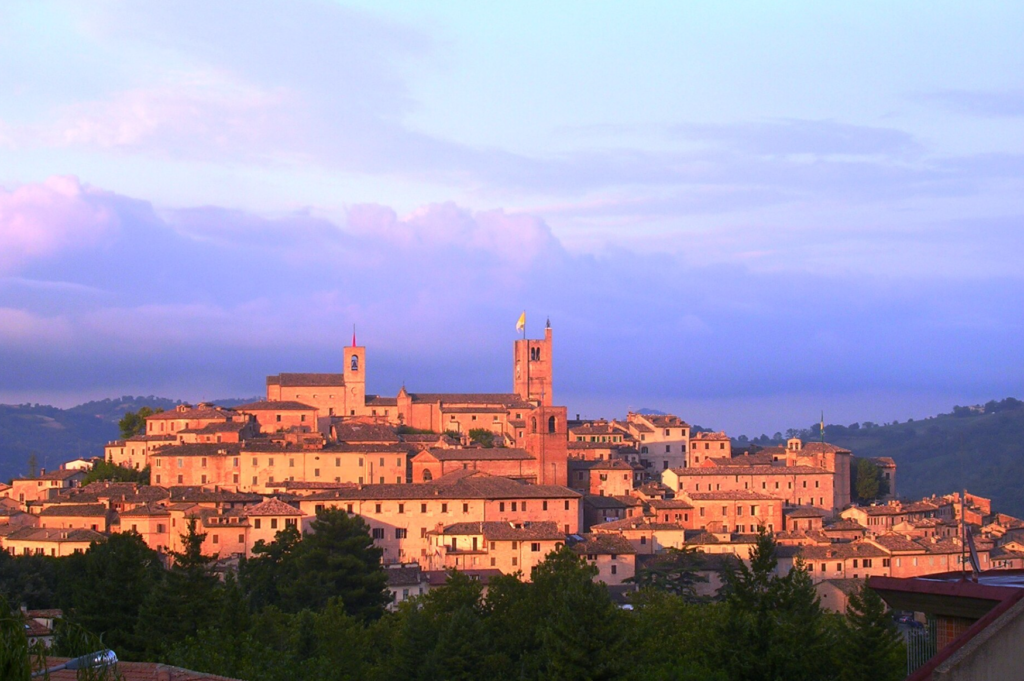
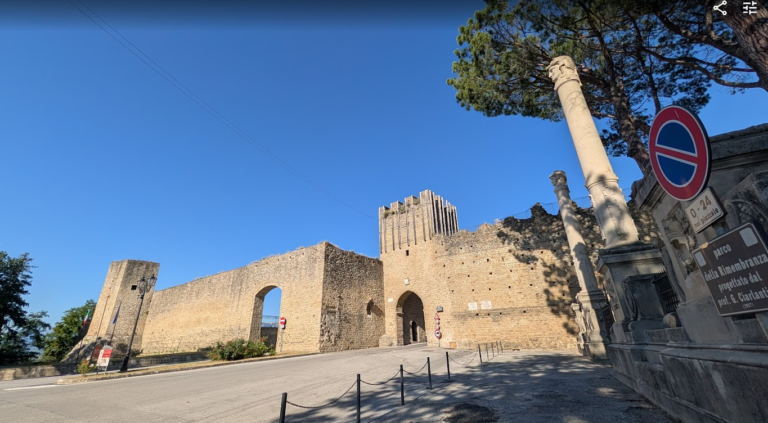
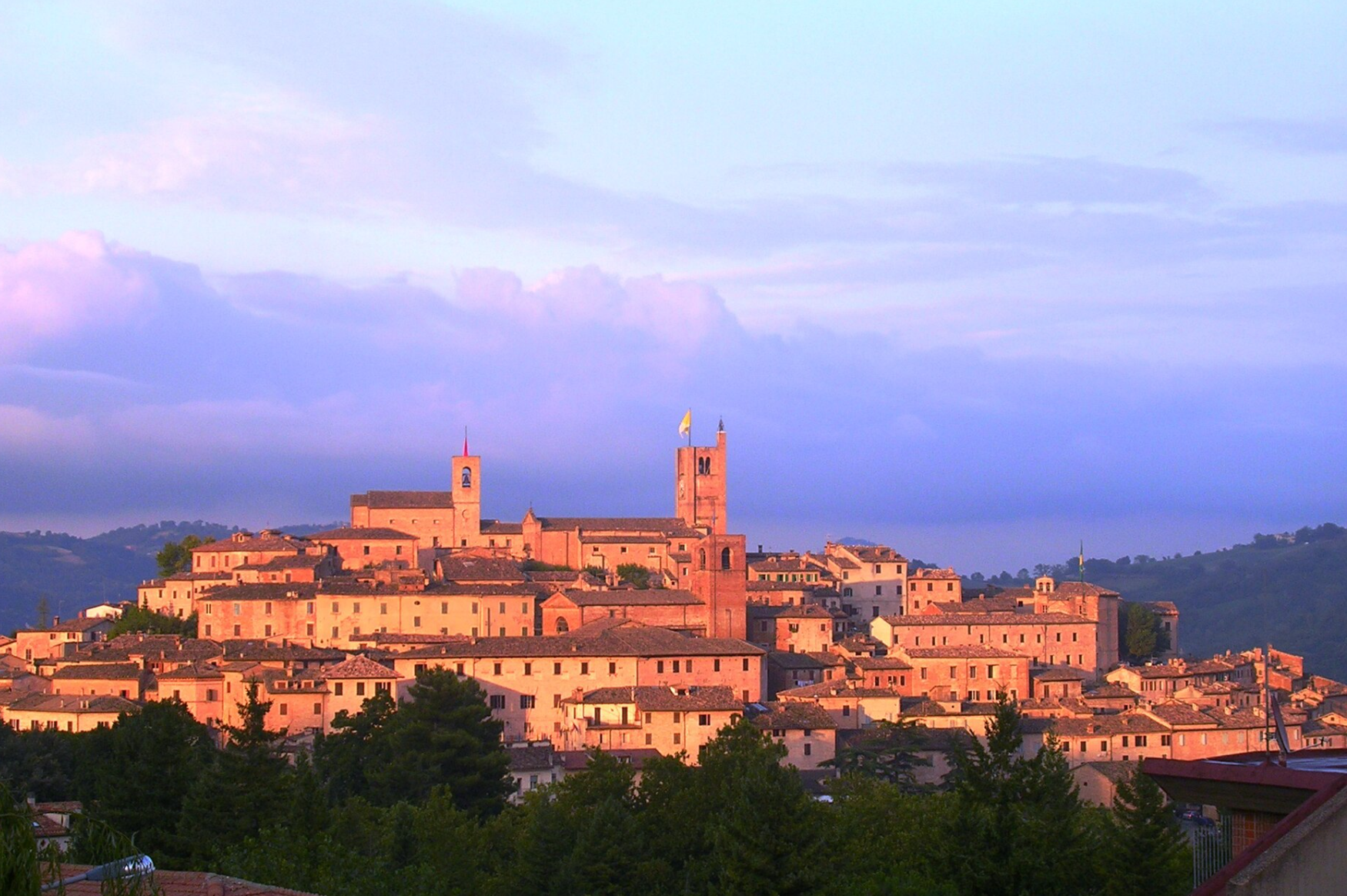
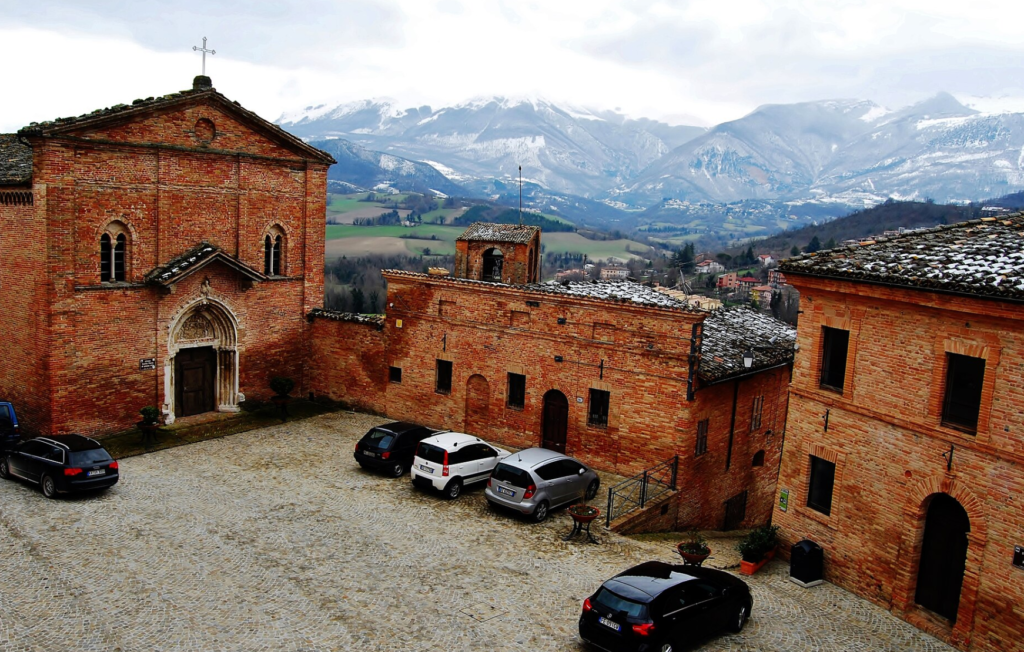
The bells of Santa Maria di Piazza strike ten as I climb Via Leopardi, and the sound bounces off brick walls the color of dried terracotta pots, walls that have stood in concentric rings since the thirteenth century. A woman shakes a tablecloth from a second-floor window. Somewhere below, in the valley, the Sibillini foothills are still holding the morning haze. This is Sarnano, a walled town of roughly 3,000 people in the Marche region of central Italy, and over the past several years it has become something more specific than a pretty stop on a hill-town itinerary: a place where a growing number of people, Italians and foreigners alike, are looking seriously at buying a house.
What Is Sarnano, and Why Are People Buying Homes Here?
Sarnano is a fortified medieval town in the province of Macerata, built at 539 meters above sea level at the foot of the Monti Sibillini (the Sibillini Mountains), roughly 39 kilometers south of the city of Macerata. It holds two credentials that matter to anyone researching Italian real estate in this region: it is a member of I Borghi più Belli d’Italia (Italy’s official association of its most beautiful small towns) and it carries the Bandiera Arancione, the orange flag awarded by the Touring Club Italiano for the quality of a town’s services, civic life, and cultural stewardship. People are buying here for three converging reasons: prices that remain low relative to comparable towns in Tuscany or Umbria, a tax incentive tied to the town’s status inside the 2016 earthquake crater zone, and a quality of life that has not yet been reshaped by mass tourism.
A Medieval Town Built in Circles
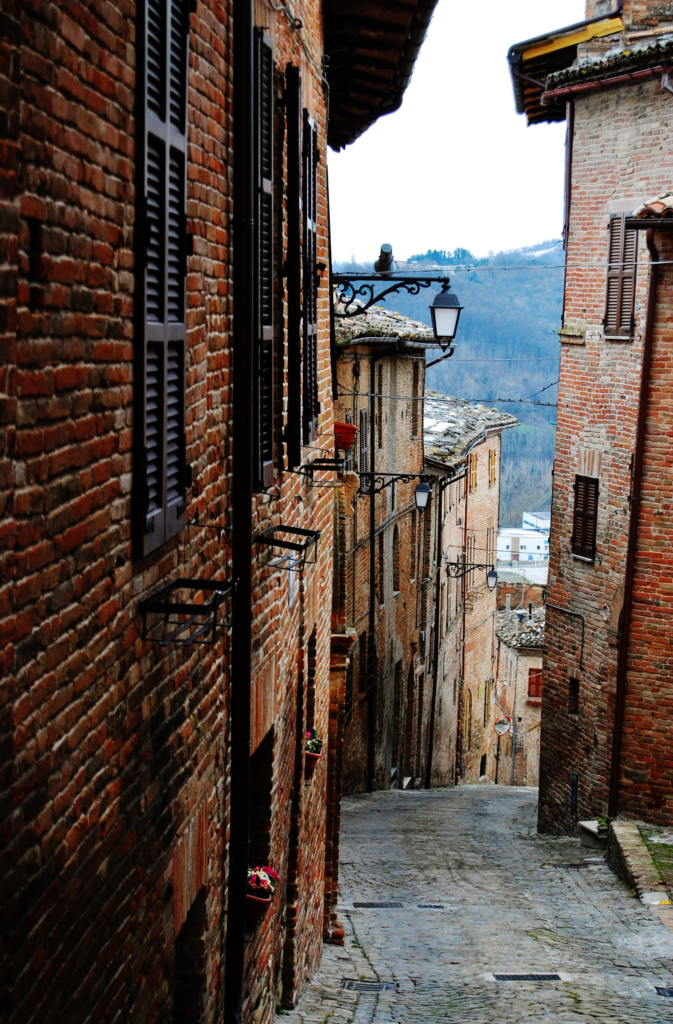
What sets Sarnano apart from most Marche hill towns is not just that it is old, but how its age is arranged in space. The historic center grew outward from a single fortified nucleus founded in the first half of the thirteenth century, when vassals of the Ghibelline nobleman Rinaldo da Brunforte carved out an autonomous community on this hillside and won recognition from the Papacy. Rather than expanding in a grid or along a single spine, Sarnano’s streets wind in tightening concentric rings, a snail-shell pattern locals call a chiocciola. Four successive walls were added between the town’s founding and the eighteenth century, and walking from the lower gates to the Piazza Alta at the summit means passing through layers of that expansion: stone archways, case a ponte (bridge-houses built directly over the street), and a porta del morto, a narrow secondary doorway found in medieval Italian towns, traditionally used only to carry coffins out of the house without passing through the main entrance used by the living.
The town’s civic emblem, a six-winged seraph, comes with a legend rather than a bureaucratic origin story: tradition holds that Saint Francis of Assisi, who stayed repeatedly in this territory at the Hermitage of Soffiano, designed it himself. Whether or not the friar actually held the pen, the story tells you something true about Sarnano’s relationship to its own past: it does not perform its history for visitors so much as keep living inside it. Note for anyone planning a visit: several of the town’s museums, including the Museo delle Armi e della Caccia and the civic pinacoteca, have faced intermittent closures for structural safety checks following the 2016 earthquake, so confirming opening hours before a trip is worth the extra step.
Water and Snow: The Two Reasons Sarnano Never Truly Sleeps
Most Marche hill towns have a single tourist season. Sarnano has two, and that seasonal double life is central to understanding why people invest here rather than simply visit.
The first is water. Sarnano sits above oligomineral springs that have been used therapeutically for generations; the Terme di San Giacomo moved into a rebuilt, modern facility in 2017, with a spa offering thermal-water hydrotherapy, a Turkish bath, a Roman bath, and treatments for circulatory and respiratory conditions. It is not a wellness resort bolted onto an old town for marketing purposes. It is a legitimate regional health tradition that happens to also feel like a spa weekend.
The second is snow. The Sassotetto and Santa Maria Maddalena ski area sits a short drive from the historic center, giving Sarnano a working winter economy that most coastal or lowland Marche towns simply do not have. Combine that with hiking access into the Sibillini Mountains, including the Via delle Cascate Perdute (Trail of the Lost Waterfalls), a six-kilometer route linking three waterfalls, and you get a town that has a reason for someone to own property here in January as much as in August. That is a meaningfully different economics than a beach town that goes dark for nine months of the year.
Life at Walking Pace
What Sarnano does not have is worth stating plainly: no international airport nearby, no direct high-speed rail connection, no crowds pressing through the piazza on an ordinary Tuesday. What it does have is a functioning small-town rhythm that has not been hollowed out by second-home tourism the way parts of Tuscany have. There is a pharmacy, a weekly market, a handful of family-run trattorie serving vincisgrassi and Sibillini trout, a park built around the town’s seraph symbol with accessible play areas and paths designed for visitors with disabilities, and a community-run event calendar that includes the Palio del Serafino in August, a historical reenactment contested between four contrade (traditional town wards, named Brunforte, Poggio, Abbadia, and Castelvecchio), and the Castrum Sarnani medieval festival. There is also, unusually for a town this size, a small municipal library holding illuminated manuscripts from the fourteenth and fifteenth centuries, alongside a Museo dell’Avifauna dedicated to the birds of the Apennines and a private arms collection with pieces spanning several centuries of local history.
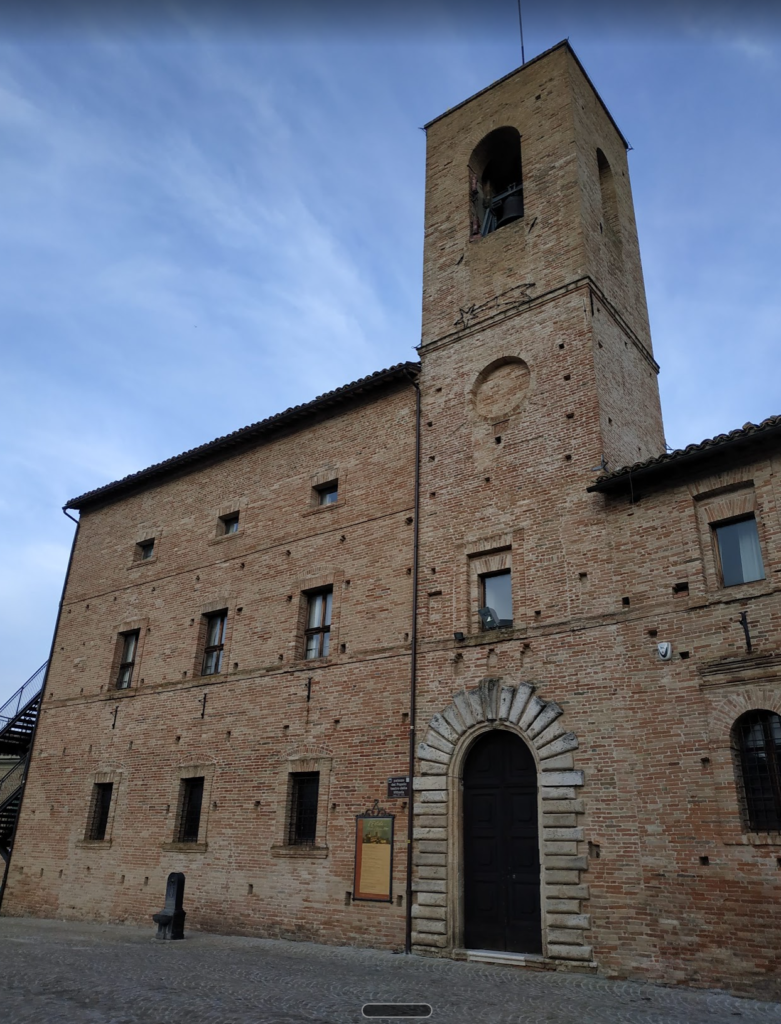
None of this is staged primarily for outsiders, and that distinction matters if what you are looking for is a place to actually live rather than a backdrop. A retiree who buys here in October should expect the same town in February that they saw in the brochure in July, which is not something every Italian hill town can promise once the tour buses find it.
The Honest Math of Buying in a Comune del Cratere
Here is where the conversation shifts from charm to arithmetic, and where I want to be direct rather than promotional.
Sarnano is officially listed among the municipalities affected by the August 24, 2016 earthquake, under Allegato 1 of Decree-Law 189/2016, the legislation that governs reconstruction across the Marche, Umbria, Lazio, and Abruzzo crater zone. That designation is not a red flag; it is the reason property here is priced the way it is, and it is also the reason a real tax advantage exists for certain buyers. Under Article 24-ter of the Italian tax code, foreign pensioners who transfer tax residency to a qualifying municipality can opt into a flat 7 percent substitute tax on foreign-sourced income for up to ten years. Crater-zone municipalities like Sarnano qualify regardless of the standard population threshold for southern Italian regions, which, as of a 2026 legislative update, now sits at 30,000 residents rather than the earlier 20,000. At just over 3,000 people, Sarnano clears that bar with enormous room to spare; the town was never realistically at risk of falling outside the eligible range. I go into the full mechanics of the 7 percent regime, including who actually qualifies and how the cratere sismico designation intersects with it, in a dedicated piece: The 7 Percent Flat Tax in Le Marche, Explained.
On price itself, I will not put a number in this article that will be stale within a year; specific ranges by comune and property type are covered in Buying a House in Le Marche. What I can say honestly is this: a house here, especially one that was touched by the 2016 seismic events and either repaired under public contribution or awaiting it, requires a different kind of due diligence than a house in an untouched town. That is not a reason to avoid buying. It is a reason to have someone qualified look at the building before you fall in love with it.
What Thirty Years of Inspecting Old Houses Has Taught Me
I have spent my career as a licensed structural engineer assessing buildings across this exact territory, and there is a pattern I see often enough in Sibillini hill towns that it is worth naming plainly: the failure I find most often is not dramatic structural collapse, it is the quiet accumulation of undocumented interventions. A load-bearing wall opened for a doorway two owners ago. A wooden floor replaced with concrete without anyone checking whether the walls below could carry the added weight. In a seismic-crater comune, that history matters twice over, once for the ordinary reasons any old building needs inspection, and again because post-2016 reconstruction paperwork, contribution status, and seismic classification all need to be verified against what is actually built, not just what is on paper. This is the exact gap an independent technical survey is built to close, and it is why I offer that service separately from any sales process: Property Survey and Technical Due Diligence in Le Marche.
Planning Your Visit
Sarnano has no train station of its own; the nearest is Civitanova Marche–Montegranaro on the Adriatic line, from which regional Contram buses connect inland, or San Severino Marche, roughly 24 kilometers away. The most practical route for most visitors is by car, either from the A14 highway at the Civitanova Marche exit or via the Macerata–Foligno expressway. The nearest airport is Ancona-Falconara (AOI), about 64 kilometers away, roughly ninety minutes by car.
Late spring and early autumn bring mild weather and the town’s slower rhythm; August adds the Palio del Serafino and its accompanying crowds; winter turns Sarnano into a base for the Sassotetto-Maddalena slopes. Whichever season you choose, allow at least a full day: one for the Piazza Alta and its climbing streets, the Church of Santa Maria Assunta with its carved stone portal, and the Via delle Cascate Perdute if your legs and weather allow, and, if your interest runs beyond sightseeing, one for a conversation about what a property here actually involves.
Renting a car for the visit is close to essential rather than optional. Public transit connects Sarnano to the coast, but the schedule is built for residents commuting to Macerata or Civitanova, not for a traveler trying to see three hill towns in an afternoon. Anyone combining Sarnano with nearby Sibillini destinations, or with the neighboring hill town of San Ginesio, will want their own vehicle and a realistic sense that mountain roads here reward patience over speed.
If Sarnano has you picturing a life here rather than just a photograph, that is exactly the moment to bring in an independent set of eyes before the search goes any further. You can book a technical orientation call directly: schedule a consultation.
FAQ — Sarnano and Property in Le Marche
Is Sarnano a good place to buy a house? For buyers seeking an authentic, still-affordable hill town with genuine four-season appeal, thermal springs, and nearby skiing, Sarnano is one of the stronger options in the Marche. Its earthquake-crater status requires careful technical due diligence, not avoidance.
Is Sarnano in the earthquake zone? Yes. Sarnano is listed under Allegato 1 of Decree-Law 189/2016 as a municipality affected by the August 24, 2016 seismic events, part of the officially designated cratere sismico.
Does Sarnano have thermal springs? Yes. The Terme di San Giacomo draw on oligomineral springs and reopened in a modern facility in 2017, offering thermal hydrotherapy, a Turkish bath, and a Roman bath alongside traditional treatments.
How do you get to Sarnano? By car via the A14 highway (Civitanova Marche exit) or the Macerata–Foligno expressway. The nearest train station is Civitanova Marche–Montegranaro, connected by regional bus, and the nearest airport is Ancona-Falconara, about 64 kilometers away.
Can foreigners get the 7 percent flat tax in Sarnano? Foreign pensioners who transfer tax residency to Sarnano can generally access the Article 24-ter flat tax on foreign income, since crater-zone municipalities qualify independently of the population cap that applies to southern Italian regions. Individual eligibility should be confirmed with a tax professional.
When is the best time to visit Sarnano? Late spring and early autumn offer mild weather and fewer visitors. August brings the Palio del Serafino and its crowds. Winter turns the town into a base for the nearby Sassotetto-Maddalena ski slopes.
How much does it cost to buy a house in Sarnano? Prices vary significantly by condition, seismic status, and location within the comune, and any single figure quoted here would be out of date within months. A detailed breakdown by property type lives in the companion article on buying a house in Le Marche.
The Final Word
Sarnano rewards the kind of attention most travelers reserve for cities: slow walking, a willingness to get mildly lost inside its rings of streets, a meal taken without checking the time. For a smaller number of people, that same attention turns into a different question entirely, one about mortgages, seismic classifications, and rogito (the final deed of sale) rather than restaurant reservations. Both are legitimate ways to encounter this town. I would simply ask that if you are moving toward the second, you bring an engineer’s eye to the building before you bring your signature to the notary.