The Fashion Museum Inside Palazzo Pitti: Why the Rooms Stay Dark
The Museum of Costume and Fashion at Palazzo Pitti keeps its rooms dark on purpose. Step inside on a bright Florence afternoon, and the light from the Boboli Gardens disappears behind you. Sixteenth-century silk does not survive under bright bulbs. So every dim room here is a decision, not an accident.
This guide explains why the light stays low. It explains why the dresses change every year. It also explains why the collection you see in 2026 will not match photos a friend took in 2024. Most visitors miss one more thing entirely. This small museum, tucked on the palace’s second floor, is where Italian fashion first spoke directly to America.
A note on links: some of the booking links below are affiliate links. If you book through them, I earn a small commission at no additional cost to you. One thing worth saying up front, because it shapes everything that follows: no tour sold on any platform guides you through the fashion rooms themselves. Guides work the Palatine Gallery downstairs. What you are buying is access and a skipped line, not a guided visit to the collection this article is about.
What Is the Museum of Costume and Fashion?
The Museum of Costume and Fashion sits inside the Palazzina della Meridiana, on the second floor of Palazzo Pitti. It holds one of the largest fashion collections in Italy. According to the Uffizi Galleries, which manage the museum, the collection includes more than 15,000 garments and accessories spanning the 18th century to today.
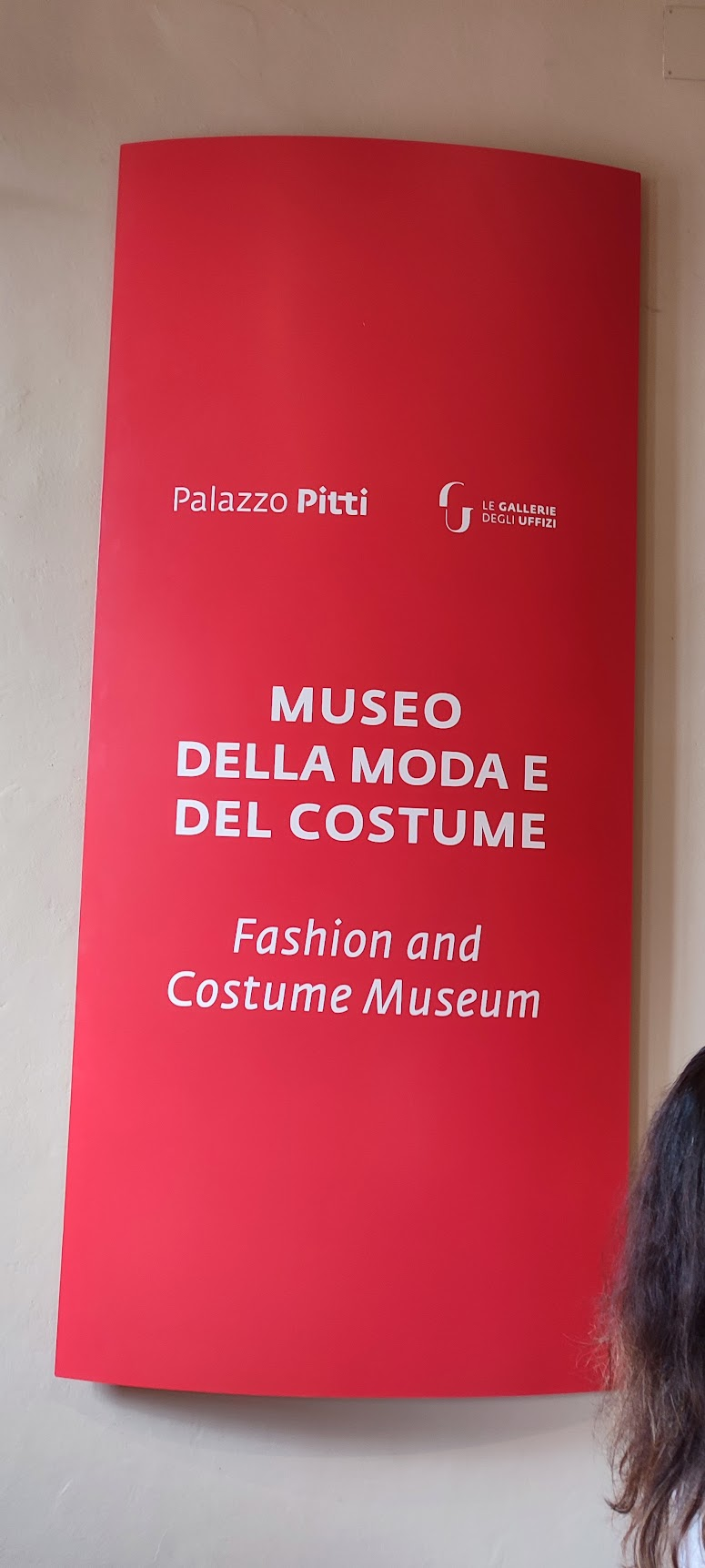
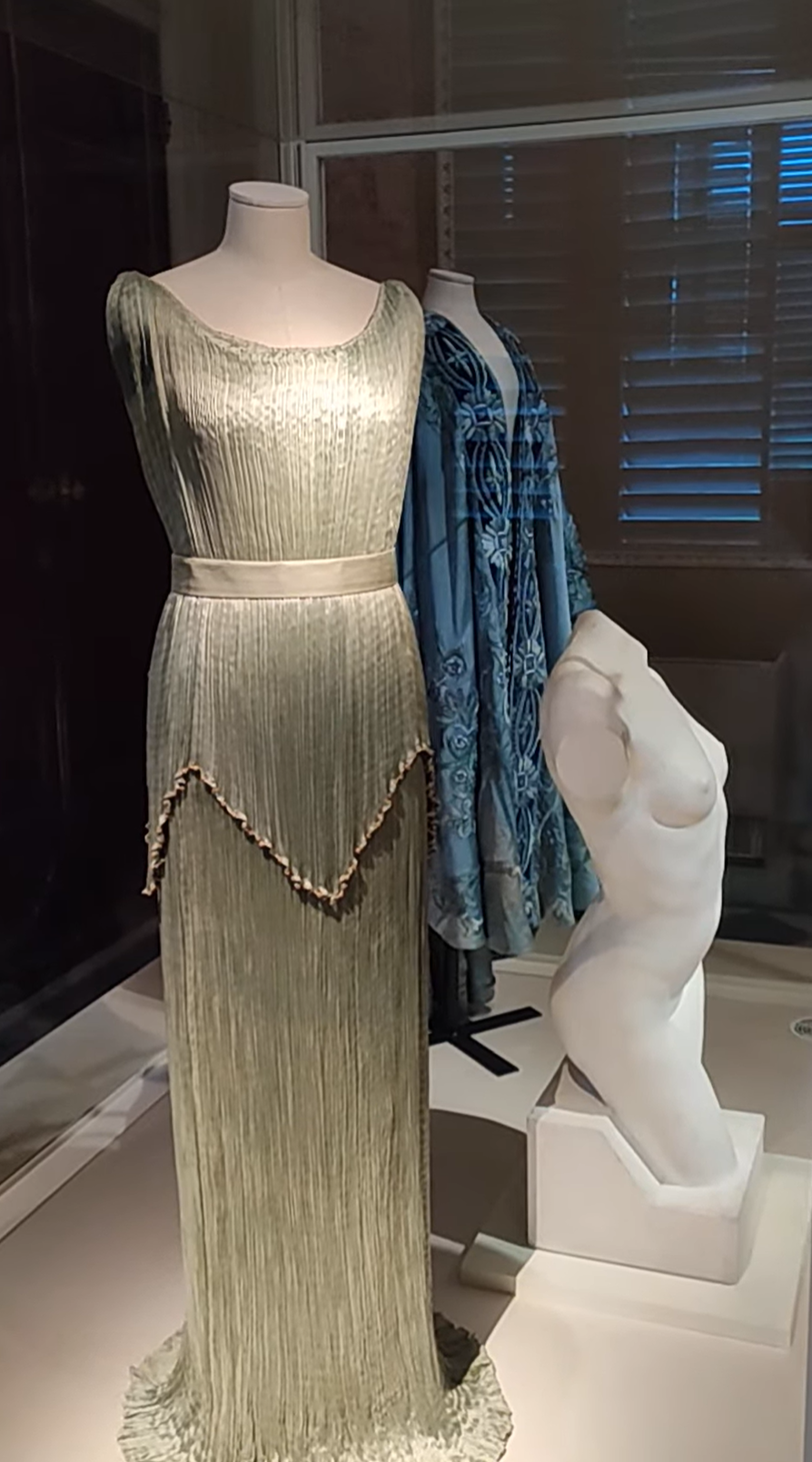
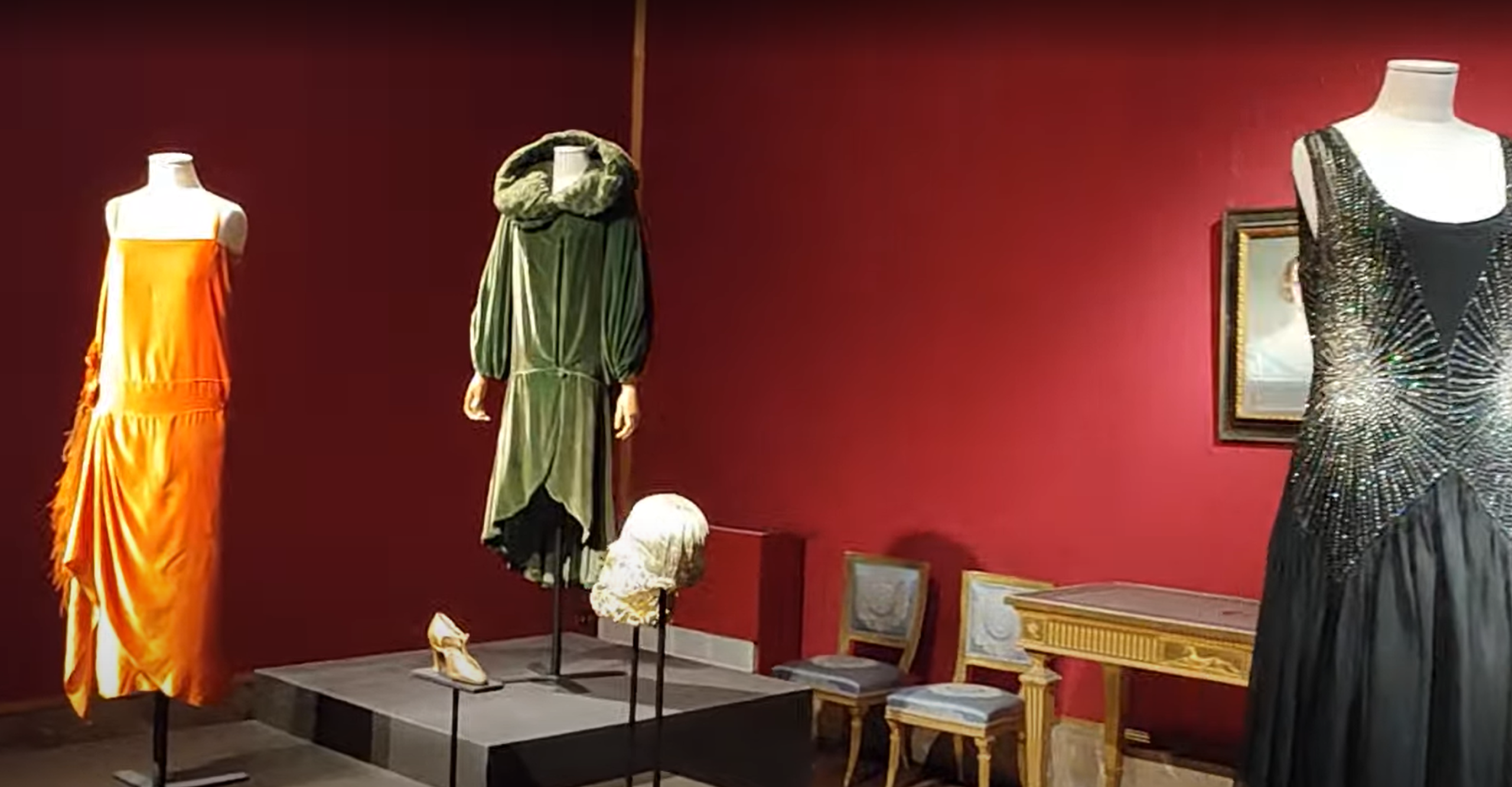
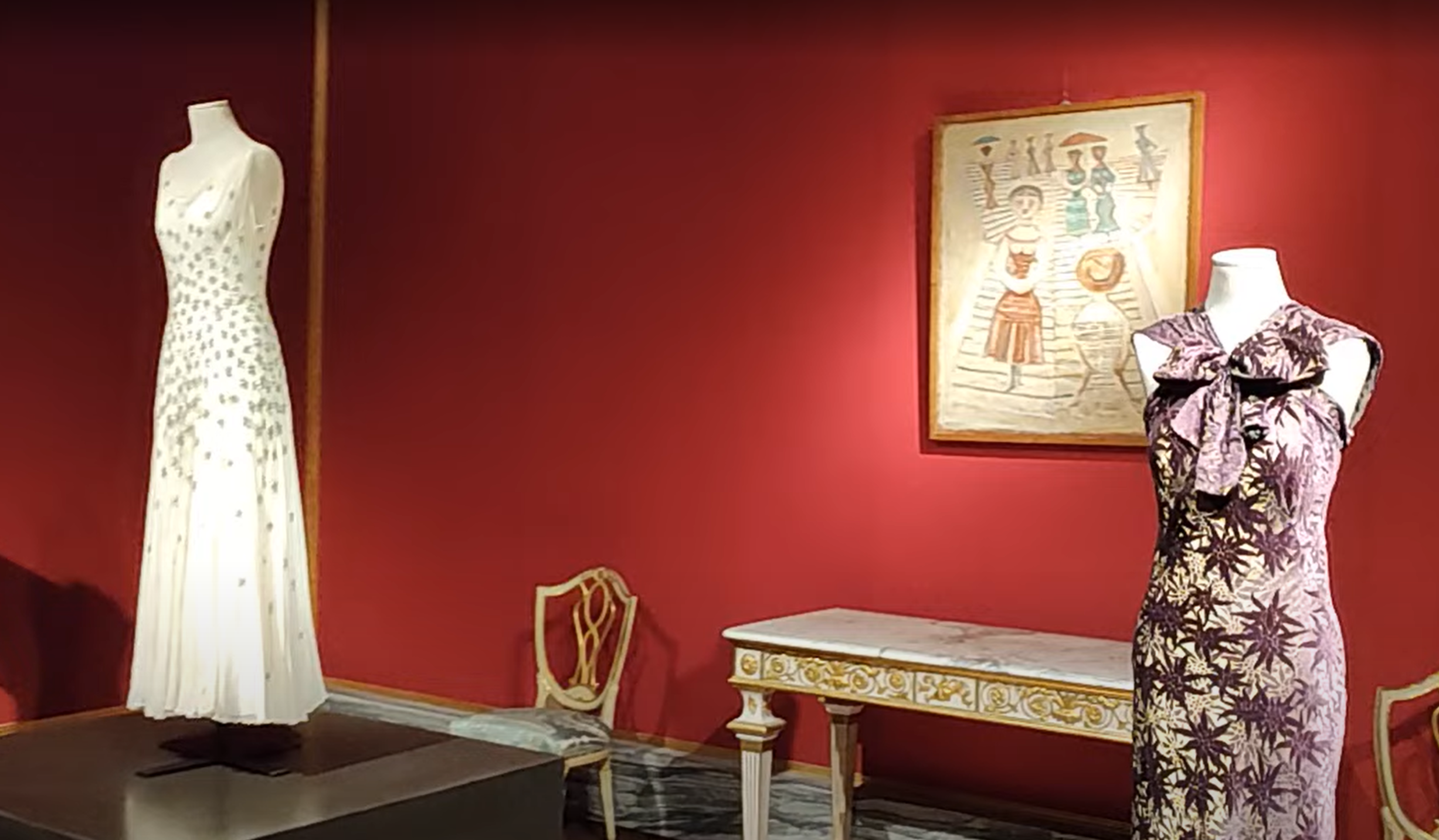
One Pitti Palace ticket covers admission here, along with four other museums in the complex. Here is the detail that matters most before you plan a visit: the display changes. Conservators rotate the garments on show, usually once a year. This limits how much light each textile absorbs over its lifetime. So the museum described in an older travel post is probably not the museum waiting for you.
The building itself has a story worth a minute. Its name comes from an astronomical instrument built by Vincenzo Viviani in 1699. It was a sundial-like device with a pinhole in the vestibule ceiling. The device once tracked the sun’s path through Grand Prince Ferdinando de’ Medici’s apartment. Painter Anton Domenico Gabbiani decorated the vault above it in 1693, with an allegory of time and the arts. A palace built to track sunlight now spends most of its energy blocking that same sunlight out.
An Engineer’s View: Why Fashion Needs Darkness
I am not a costume conservator. I am a structural engineer instead. For thirty years, I have worked inside historic buildings across central Italy. I assess walls, roofs, and floors that predate a unified Italy. So when I walk into a museum this dark, I do not see a mood. I see a conservation plan working exactly as designed.
Light Is the Enemy of Silk
Light damage builds up over time, and it never reverses. For fragile fabrics, conservators generally hold display lighting near 50 lux. That level sits closer to candlelight than to an ordinary room, based on guidance from bodies such as Museums Galleries Scotland. UV-filtering glass and low-wattage fixtures handle the rest.
That is why your eyes need a moment to adjust when you walk in. It also explains why photography without flash matters more here than in almost any other museum in the city.
Humidity Has to Hold Still
Textiles absorb and release moisture constantly. When humidity swings, fibers expand and contract. Over centuries, that small movement shreds silk from the inside out.
International conservation guidance calls for relative humidity held in a narrow band. A joint declaration from the IIC and ICOM-CC points to roughly 45 to 55 percent. Daily swings beyond that range stay small by design. A Renaissance brocade does not know or care what season it is outside. It only registers whether the air around it ever changes.
Air Quality Matters Too
Light and humidity are not the only threats. Airborne pollutants and dust can react slowly with dyes and fibers over the years. So can the carbon dioxide visitors exhale. Sealed display cases limit this exposure. That is one reason the Medici funeral garments sit behind glass rather than in an open room.
It also explains why food and drink are banned throughout the Pitti Palace museums, a rule the Uffizi Galleries enforce strictly. None of this is visible to a visitor walking through. It only becomes visible once you start asking why a case is sealed instead of open.
A Historic Building Was Never Built for This
Here is the tension only someone who works on old buildings tends to notice first. Architect Gaspero Maria Paoletti began the Palazzina della Meridiana in 1776, under Grand Duke Peter Leopold. Pasquale Poccianti finished the building in 1830, under Grand Duke Leopold II.
Buildings from that era breathe like every other masonry structure of the period. They absorb damp in winter. They release it again in summer. Modern textile conservation asks for the opposite: total stability, year-round. Fitting climate control into rooms with frescoed vaults and protected stucco is a genuinely hard engineering problem, and doing it without harming either one is harder still.
I have faced smaller versions of this exact conflict in farmhouses across the Marche. The dark rooms and sealed cases here are the visible result. They mark an ongoing negotiation between two things worth protecting: the building, and what it holds.
The Dresses That Never Rotate
Not everything in the museum changes. One room stays the same every year. It holds the funeral garments of Cosimo I de’ Medici, his wife Eleonora di Toledo, and their young son Garzia. According to the Uffizi Galleries, these three 16th-century garments form a permanent display. They remain fully restored, shown in sealed, darkened cases.
They came out of the Medici family tombs. The tombs were first opened for study in 1857, then reopened between 1945 and 1949, when researchers recovered the garments now on display. Restoration followed decades later, in the late 1980s.
That origin matters. This is not couture built for a museum case. It is burial cloth, recovered from a family crypt, roughly four centuries older than the electric lights around it.
A Popular Story That Does Not Hold Up
Guides sometimes claim Eleonora’s funeral gown is the exact dress from Bronzino’s famous portrait of her at the Uffizi. That is the one with the black-and-gold brocade. It makes a good story.
But research into the garment’s restoration says otherwise. Published in the academic journal Costume, the research found that conservators working directly with the recovered textile ruled out a match with the portrait dress. Bronzino most likely painted an idealized gown instead, built from fabric swatches sent to his studio, rather than portraying Eleonora from life.
Mention this near the case, and you will out-inform most guided tours in the palace. Then look at the surviving fabric’s faded ochre-brown. Imagine the same weave restored to full color and brocade. It changes how the case reads.
Where “Made in Italy” First Spoke to America
Long before Milan Fashion Week existed, a Tuscan entrepreneur bet on Italian fashion abroad. His name was Giovanni Battista Giorgini. On February 12, 1951, he staged a small runway show inside his own home, Villa Torrigiani. The audience was a handful of visiting American journalists and buyers. Ten Italian fashion houses took part.
It worked well enough that Giorgini moved the event to Florence’s Grand Hotel that same summer. News of that show spread fast. When he announced a second edition, roughly 300 buyers and journalists crossed the Atlantic to attend, according to contemporary accounts of the period.
Then, on July 22, 1952, Giorgini moved the event again. This time it went into the Sala Bianca, the White Room of Palazzo Pitti itself. From that date until 1982, the Sala Bianca hosted Italian collections twice a year. The timing was deliberate: just ahead of the Paris shows, so American buyers saw Florence first. By 1953, a second venue opened nearby. Palazzo Strozzi hosted the business negotiations between designers and buyers that the runway shows generated.
One Designer Connects Both Stories
Here is where the museum’s current program does something rare. It links that 1951 debut directly to the exhibition on view right now. Ferdinando Sarmi, a designer born in Ravenna, showed with Maison Fabiani at Giorgini’s very first event at Villa Torrigiani. American cosmetics leader Elizabeth Arden noticed him there. She brought him to New York soon after.
By 1958, Sarmi had his own label, Sarmi New York. He was dressing Marilyn Monroe, Audrey Hepburn, Marlene Dietrich, and First Lady Pat Nixon. From June 18 through December 31, 2026, the Museum of Costume and Fashion is showing his gowns in the palace’s ballroom. The show sits alongside the Fondo Sarmi archive, donated by his heirs, according to the Uffizi Galleries.
The exhibition grew out of new research, not just archive photographs. A documentary on Sarmi’s career premiered at the museum on June 18, 2026. It was curated jointly by the museum’s own staff and an American academic specializing in Italian fashion history. That partnership is a small sign of how seriously the museum now treats its American connection, decades after the fact.
Visit within that window, and you are looking at something rare: a documented line running from a private villa in 1951 Florence to Fifth Avenue in the 1960s.
Planning Your Visit
Where It Is and How to Get In
The museum sits on the second floor of Palazzo Pitti, past the main Ammannati courtyard. One ticket covers the whole Pitti Palace complex. That includes the Palatine Gallery, the Gallery of Modern Art, the Treasury of the Grand Dukes, the Museum of Russian Icons, and this fashion museum.
As of this writing, a same-day regular ticket runs 16 euros. Combined with the Boboli Gardens, it runs 22 euros, per the Uffizi Galleries’ official pricing, verified in August 2026. Book online in advance and the price rises slightly, but you skip the ticket line.
Third-party sellers charge more than the museum does, and it is worth knowing why before you decide. A reserved Pitti Palace entry with an audio guide app runs about 26 dollars against the 16-euro window price (rated 4.5 across roughly 1,900 reviews, checked August 2026). The gap buys you a fixed time slot and no queue in August heat. In February, with the ticket window empty, that gap buys you very little.
How Much Time to Give It
Budget 45 minutes to an hour. The rooms are compact, but the pacing rewards patience. Rush it, and the dim light feels like an inconvenience instead of a clue.
Check the Rotation Before You Go
Before booking your trip, search for the exhibition currently running at the Museum of Costume and Fashion. The Uffizi Galleries post updates on their events page. If you are chasing one specific garment, this step is not optional. The dress from a friend’s 2019 photos may already be back in storage.
The rotation also changes the math on multi-day passes. Because the fashion rooms are small and the rest of the complex is not, splitting Pitti across two visits works better than forcing it into one afternoon. A combined Uffizi, Pitti and Boboli pass valid for five days (around 79 dollars, rated 4.4 across roughly 1,870 reviews) exists for exactly that pattern. It activates at the Uffizi, so plan that visit first.
One Practical Catch
Audio guides are available at the ticket office for six euros. They only cover the permanent collection, though. They say nothing about whatever temporary exhibition happens to be running, including the current Sarmi rooms. If you want context on the active rotation, read up before you arrive, or book a guided tour directly through the Uffizi Galleries.
Pair It With
The museum sits two floors below the Gallery of Modern Art. It is also a short walk from the Boboli Gardens entrance. If you are already inside Pitti Palace, add both to the same visit instead of returning another day. If you still have energy afterward, Giotto’s Bell Tower is a short walk across the river.
The Final Word
A dark room in a fashion museum is not a design flourish. It represents centuries of textile chemistry, translated into museum policy. Once you know that, the Museum of Costume and Fashion stops feeling like an afterthought inside Pitti Palace.
It becomes the room where an engineer’s instincts and a costume historian’s instincts agree completely. Preserve first, display second. Go see whichever rotation happens to be running when you arrive. Just do not expect to see it twice.
Bring that same question with you into the rest of Pitti Palace, too. The Palatine Gallery next door faces its own version of this fight, between conserving old paintings and displaying them well. Once you learn to spot it in one room, you start noticing it everywhere in this palace.
If you enjoy stories like this, where an engineer’s eye meets Italian history, explore more of Tastes & Wonders of Italy. You can also subscribe for more dispatches from central Italy and beyond.
Booking Notes: What Is Worth Paying For Here
Buy direct if you are visiting off-season. The Uffizi Galleries sell the same ticket for less than any reseller. From November through March, when there is no line to skip, paying a platform markup buys you nothing the museum will not sell you itself. This is the honest answer, and it costs me a commission to give it.
The guided tour is worth it for the floor below, not this one. The three-hour Palatine Gallery and Boboli tour (about 113 dollars, rated 4.8 across more than 630 reviews, and certified by the platform) is the strongest product attached to this building. Be clear about what it is: a guided walk through the Palatine Gallery and the gardens, with your own ticket covering the fashion rooms afterward. If you came to Florence for textiles, book it for the Raphaels and treat the Meridiana as your own quiet hour at the end.
Skip the audio-guide bundles. Several sellers pair the entry ticket with an audio guide for a few dollars more. The audio content covers the permanent collection only, which means the rotating fashion rooms and any temporary exhibition are exactly the part it does not explain. You would be paying extra for commentary on the rooms you are not there for. The lowest-rated Pitti products on the platform tend to be these bundles, and the reviews say the same thing.
One structural note from thirty years of walking through old buildings. The Meridiana is reached by stairs, and the fashion rooms sit at the top of the complex. Lifts exist, but the route is long. If stairs are a concern, ask at the ticket desk before you climb rather than halfway up.
FAQ — Visiting the Museum of Costume and Fashion
What is the Museum of Costume and Fashion in Florence? It is the fashion history museum inside Palazzo Pitti’s Palazzina della Meridiana. Founded in 1983, it holds more than 15,000 garments and accessories from the 18th century to today, according to the Uffizi Galleries.
When is the best time to visit the Museum of Costume and Fashion? Weekday mornings, right after the 8:15am opening, bring the smallest crowds. The museum closes on Mondays, January 1, and December 25.
Do I need a separate ticket for the Museum of Costume and Fashion? No. One Pitti Palace ticket covers this museum, the Palatine Gallery, the Gallery of Modern Art, the Treasury of the Grand Dukes, and the Museum of Russian Icons.
Why are the rooms inside the museum kept so dark? Historic textiles degrade under light exposure, and that damage cannot be reversed. Conservators generally keep lighting for fragile fabrics near 50 lux, a level close to candlelight, to slow the process down.
Will I see the same dresses if I visit the museum twice? Probably not. The museum rotates its 20th-century and contemporary displays roughly once a year. This limits each garment’s light exposure, so the selection on view changes between visits.
Are Eleonora di Toledo’s funeral clothes always on display? Yes. The 16th-century funeral garments of Cosimo I de’ Medici, Eleonora di Toledo, and their son Garzia form a permanent display. They stay in sealed, darkened cases, separate from the rotating collection.
What exhibition is currently showing at the Museum of Costume and Fashion? From June 18 through December 31, 2026, the museum is showing “Ferdinando Sarmi New York.” It is dedicated to the designer who dressed Marilyn Monroe, Audrey Hepburn, and First Lady Pat Nixon. Confirm on the Uffizi Galleries’ website before you go, since the schedule changes yearly.
🌍 https://tasteandwondersofitaly.com/ – 📺 https://www.youtube.com/@TasteWondersofItaly