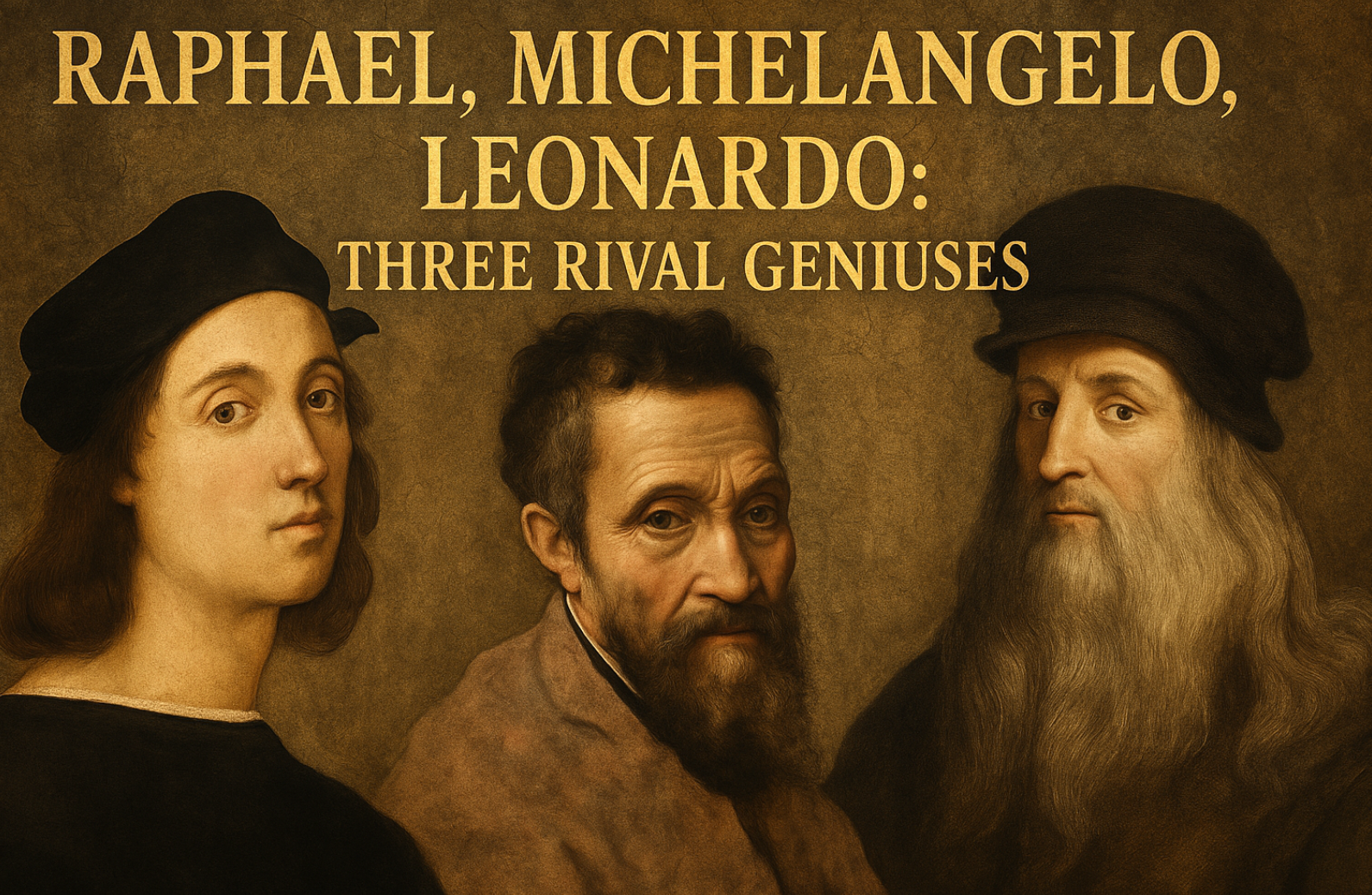
Raphael, Michelangelo, Leonardo: Three Rival Geniuses – The Exhibition That Rewrites Art History
Published: May 29, 2025 | Category: Art, Travel | Author: Taste and Wonders of Italy
—
Introduction: When Geniuses Collide in the Eternal City
Rome has long been a stage for the extraordinary. Now, its historic Scuderie del Quirinale plays host to an unprecedented encounter between the titans of the Italian Renaissance: Raphael, Michelangelo, and Leonardo da Vinci.
Titled “Three Rival Geniuses”, the exhibition explores their unique artistic identities, deep rivalries, and enduring legacies. More than a simple gallery of paintings and drawings, this show becomes a living dialogue between masters whose lives and works redefined beauty, power, and spirituality.
Whether you are a seasoned art historian or a curious traveler, this experience invites you to immerse yourself in one of the greatest cultural confrontations of all time.
—
The Renaissance: The Cultural Furnace That Forged Three Titans
The Italian Renaissance was a cultural explosion that reshaped Europe from the 14th to the 17th century. It introduced a new view of man, nature, and God — centered on observation, proportion, and human dignity.
At the heart of this revolution were three exceptional minds: Leonardo da Vinci, the scientific dreamer; Michelangelo Buonarroti, the tormented sculptor; and Raphael Sanzio, the graceful harmonizer. Although they lived during overlapping periods and shared common patrons, their approaches to art and life couldn’t have been more different.
—
Leonardo da Vinci: The Anatomy of Imagination
Leonardo (1452–1519) is the very definition of the Renaissance Man. Painter, scientist, engineer, philosopher — his notebooks, filled with mirrored writing, document everything from the motion of birds to designs for flying machines and hydraulic systems.
Works on Display
La Scapigliata: A haunting and unfinished portrait of a woman, her disheveled hair defying the ideal beauty of the era.
Anatomical sketches: Revealing the structure of muscles, tendons, and bones in obsessive detail.
Codices: Pages from the Codex on the Flight of Birds and his treatises on optics, perspective, and hydraulics.
Why It Matters
Leonardo’s works are not just art — they are investigations into reality itself. His famed sfumato technique softens transitions between colors and edges, producing almost photographic realism. Yet his true genius lies in how he made thinking visible — translating imagination into line and shadow.

—
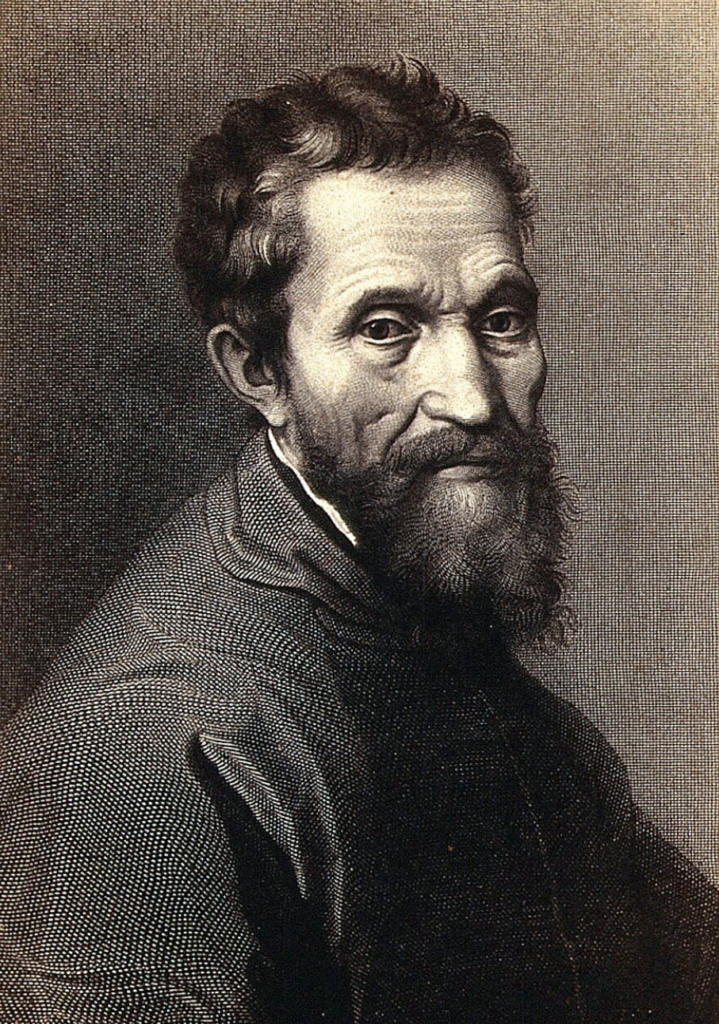
Michelangelo Buonarroti: The Fury of Form
Michelangelo (1475–1564) saw the human body as the temple of the soul. A sculptor by nature, he approached marble as a living substance, revealing forms “trapped within the stone.”
Works on Display
Tondo Taddei: A marble relief featuring the Virgin and Child with St. John, bursting with energy and tension.
Preparatory sketches: For The Last Judgment and the Sistine Chapel.
Studies of male anatomy: Bodies writhing in spiritual torment or divine glory.
Why It Matters
Michelangelo’s works embody the conflict between divine perfection and human limitation. His dramatic gestures, exaggerated musculature, and expressive poses convey deep psychological and religious themes. To him, beauty was sacred struggle.
—
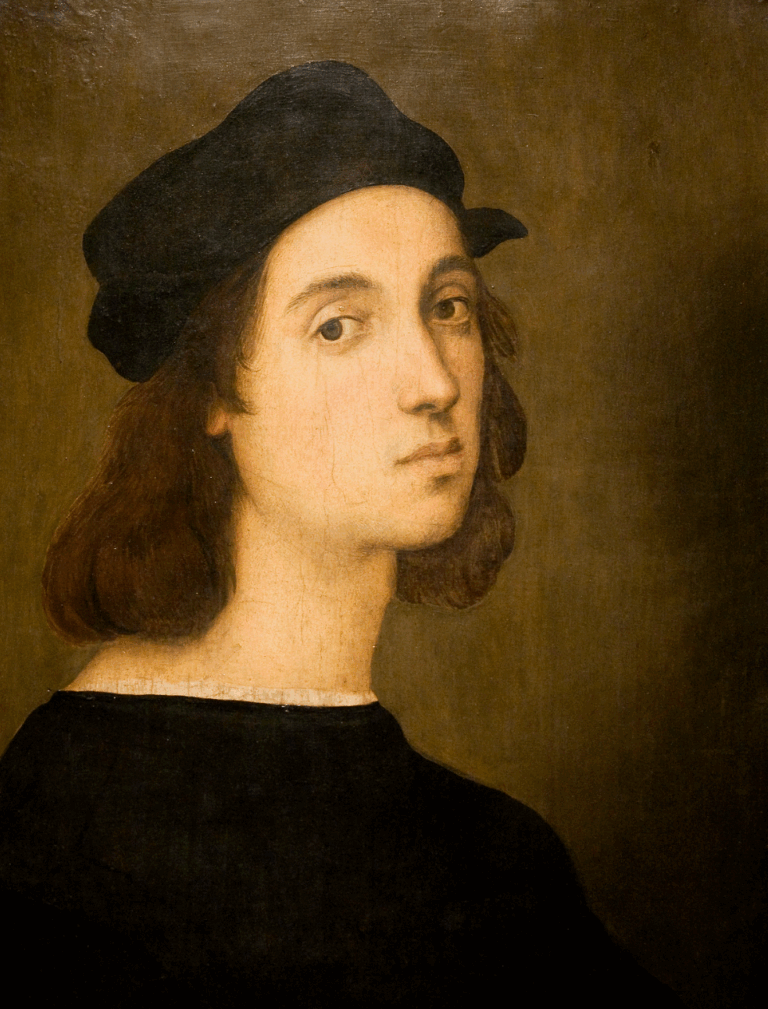
Raphael Sanzio: The Prince of Balance
Raphael (1483–1520) was born after Leonardo and Michelangelo but quickly rose to become the most admired artist in Rome. Known for his harmonious compositions, he brought grace and clarity to every subject he touched.
Works on Display
Self-portrait: A portrait of quiet confidence, reflecting his introspective and diplomatic nature.
Studies for The School of Athens: The fresco that defined humanism, with Plato, Aristotle, and contemporaries depicted as classical thinkers.
Madonnas: Serene, tender, and maternal — Raphael’s images of the Virgin Mary became timeless icons.
Why It Matters
Raphael synthesized the strengths of both rivals — Leonardo’s delicacy and Michelangelo’s power — yet added his own sense of balance and grace. His death at just 37 immortalized him as a symbol of unspoiled genius.
—
A Battle of Brushstrokes: Rivalries, Politics, and Prestige
Despite their shared goals of representing truth and beauty, Leonardo, Michelangelo, and Raphael were fierce competitors.
Leonardo vs. Michelangelo: They were rivals in Florence, both commissioned to paint opposing murals in the Palazzo Vecchio. Neither was completed, but the competition was so intense that it entered legend.
Michelangelo vs. Raphael: While Michelangelo toiled on the Sistine ceiling, Raphael gained favor with Pope Julius II, decorating the papal apartments.
Raphael vs. Leonardo: Raphael studied Leonardo’s sfumato and anatomical sketches — but presented them with more polish and sweetness, drawing both admiration and scorn.
These tensions are explored through letters, biographies, and contemporary accounts displayed at the exhibition. Their rivalry was not mere vanity — it was the driving force that elevated the Renaissance itself.
—
The Exhibition Itself: A Journey into Genius
Venue
Scuderie del Quirinale Via XXIV Maggio, 16 – Rome, Italy www.scuderiequirinale.it
Dates and Hours
Open daily, from 10:00 AM to 8:00 PM — Last admission one hour before closing.
Tickets
Full: €15 · Reduced (EU citizens aged 18–25): €13 · Children under 6: Free · School and group discounts available.
How to Get There
Metro: Line A to Repubblica or Barberini
Bus: Several city buses stop nearby on Via Nazionale
Walking: 5–10 minutes from Piazza Venezia or Fontana di Trevi
—
What to Expect Inside
This isn’t a simple display of artworks. It’s a multi-sensory, immersive experience featuring over 60 original works from museums across Europe; multimedia installations including 3D renderings of Vatican frescoes and digital recreations of lost works; historical documents such as contracts, papal briefs, and eyewitness accounts; interactive panels explaining techniques like sfumato, chiaroscuro, and contrapposto; and workshops for families and students to engage hands-on with Renaissance methods.
—
Why This Exhibition Is So Important in 2025
Never-before-seen works side by side. For the first time in decades, original sketches, studies, and finished pieces from all three masters are brought together — allowing direct comparison and new interpretation.
Educational significance. Ideal for schools, universities, and researchers studying European history, art, and culture.
Accessible and inclusive. The exhibition includes guides in six languages, including English, French, and Chinese, with audio guides and Braille panels available.
An experience rooted in place. There’s no better setting than Rome — a city shaped by the very hands of these artists.
—
Renaissance Lessons for the Modern World
What can we learn from the rivalry of Raphael, Michelangelo, and Leonardo in 2025? That competition can be productive, pushing us to refine our ideas. That beauty and science are not at odds, but two faces of the same truth. And that legacy is not built alone — but shaped in dialogue with others.
—
Final Thoughts: Don’t Just See It — Feel It
The Three Rival Geniuses exhibition is not only about admiring art. It’s about entering the living heartbeat of the Renaissance, where ideas were dangerous, talent was sacred, and beauty was truth.
When you walk through the halls of the Scuderie del Quirinale, you’re not just a spectator — you’re a witness to the most intense artistic rivalry in human history. Don’t miss it.
—
Written by Mirco Vitellozzi, a structural engineer from Le Marche who writes about Italy from the inside. More essays at Tastes & Wonders of Italy, and short films on YouTube.