Frantoi Aperti Umbria 2026: Italy’s Biggest Olive Oil Festival, Explained
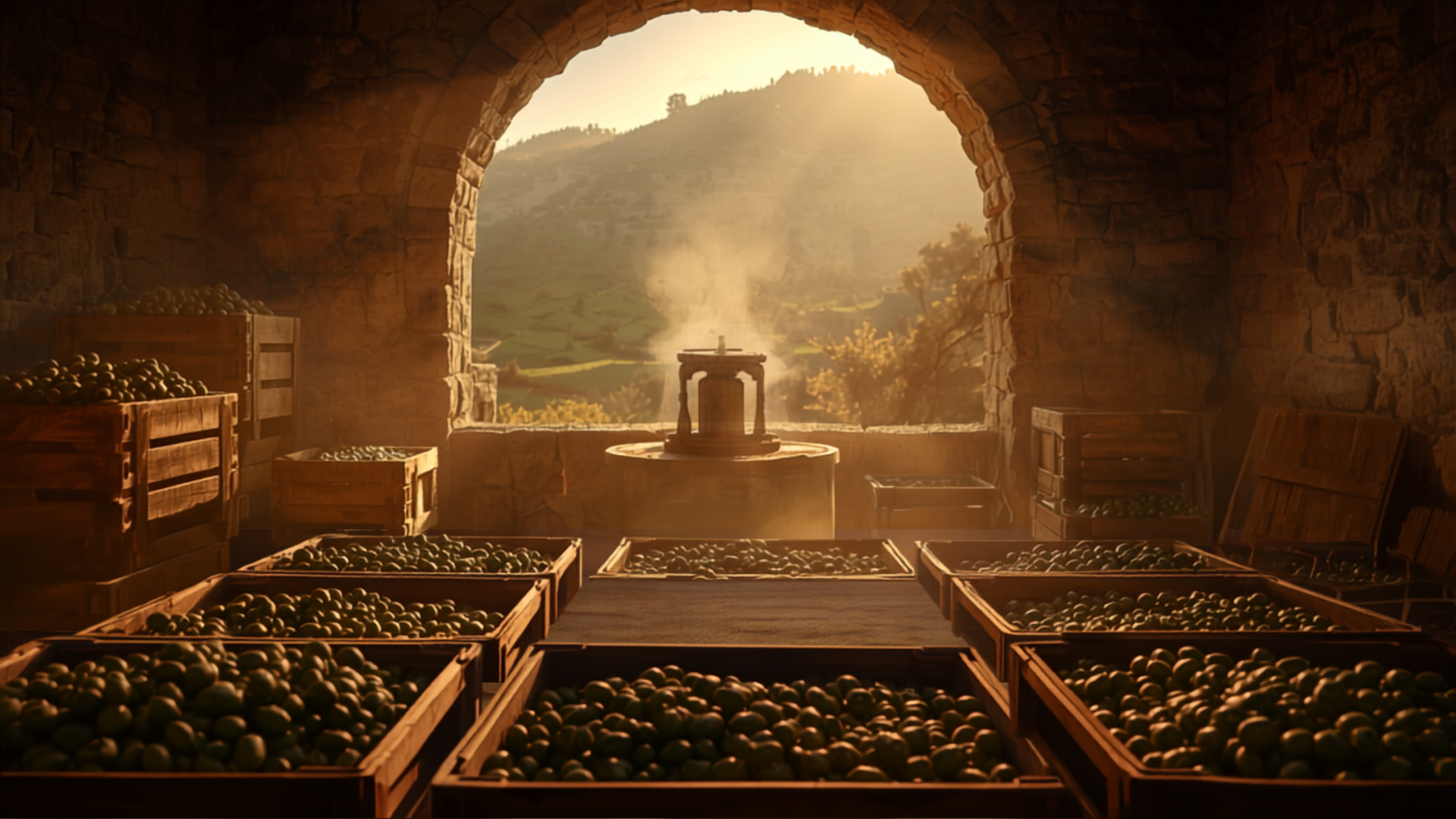
Frantoi Aperti Umbria 2026 opens the region’s working olive harvest to the public, across five weekends from October 17 to November 15. Here is what that actually looks like from the inside. It is three in the afternoon in late October. A frantoio sits in the hills above Trevi. That means an olive mill, the working kind, not a tasting room. It smells like crushed grass and hot stone. The press is running. Its low mechanical hum fills the whole courtyard. The courtyard itself is full of crates, stacked two and three high, still warm from the sun. Nobody here is performing for visitors. The olives came off the trees that same morning. They have to be milled within hours, before they start to ferment. This is not a wine-road tasting circuit dressed up in oil. It is the region’s real, working harvest. For one autumn a year, outsiders get to watch it happen.
What Frantoi Aperti actually is
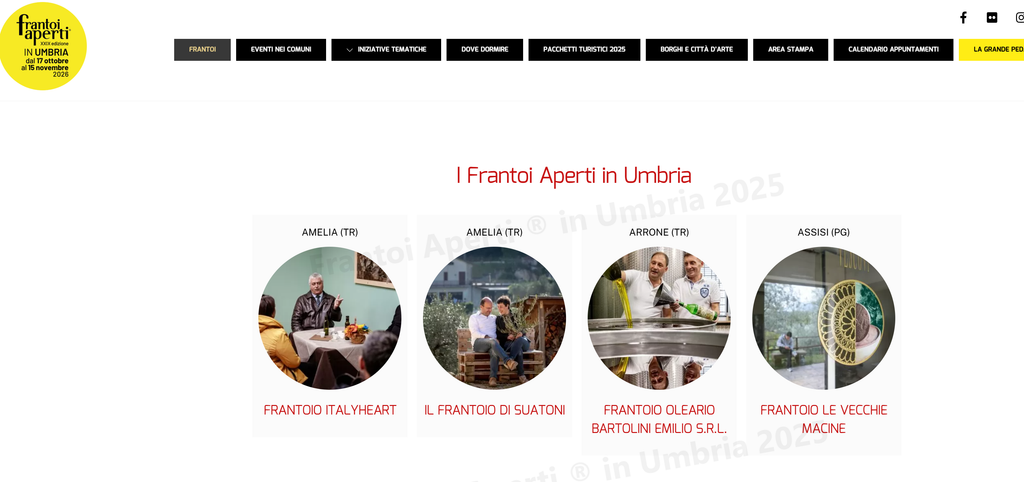
Frantoi Aperti is Umbria’s regional oleotourism festival. Dozens of working olive mills across the region open their doors during active milling season. Markets, guided walks, and meals built around the new oil fill out the calendar. The Associazione Strada dell’Olio e.v.o. DOP Umbria organizes it. The Regione Umbria backs it, with patronage from ENIT, Sviluppumbria, and the Accademia dell’Olivo. The festival has run every autumn since the late 1990s. The 2026 edition is its twenty-ninth, confirmed directly on the festival’s own branding. The dates are the reliable part.
Dates, editions, and how the five weekends work
The 2026 edition runs from Saturday, October 17, through Sunday, November 15. That is five weekends back to back. Each weekend has its own towns, mills, and events, rather than one long festival spread thin. This matters for planning. A single weekend gives you a real, focused visit to two or three towns. Trying to chase all five weekends usually means seeing less of any one place. Almost every town on the circuit keeps its own printable calendar. Once you pick a weekend, check that town’s specific schedule. It beats trying to read the whole regional program at once.
The landscape that makes this possible
The Assisi–Spoleto olive belt, read as engineering
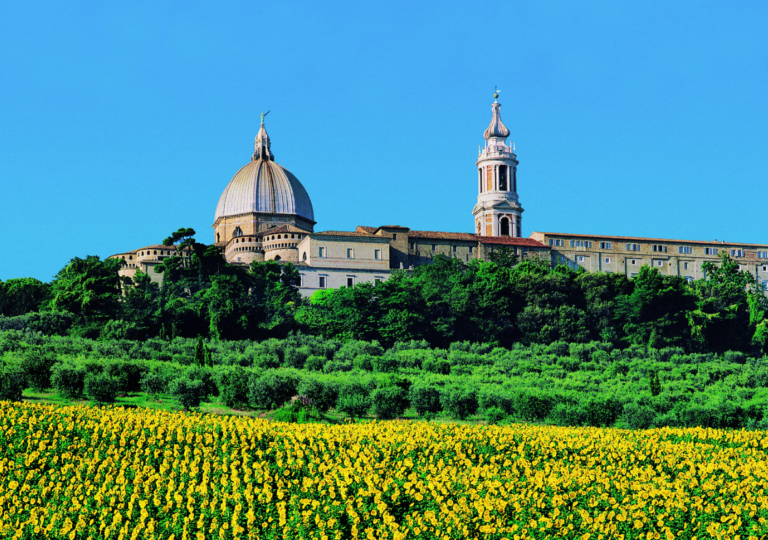
Most visitors photograph the hills between Assisi and Spoleto as scenery. What they are really looking at is hydraulic infrastructure. It has been in continuous operation for centuries. The fascia olivata is the unbroken olive belt along the base of the Apennines. It runs roughly forty kilometers, through Assisi, Spello, Foligno, Trevi, Campello sul Clitunno, and Spoleto. It sits on stone terracing. Farmers built those terraces to make steep slopes hold soil and water. Dry-stone walls break the hillside into manageable steps. Without them, heavy autumn rain would strip the topsoil off the slope in a single season. This is why the FAO recognition, granted in 2018, went to the landscape, not to the oil. It was Italy’s first site named to the FAO’s Globally Important Agricultural Heritage Systems program, known as GIAHS. The FAO was not rewarding a flavor. It was recognizing a nine-thousand-hectare erosion-control system, built and kept by hand for a thousand years. Walk it in person and this stops feeling academic. You can see the walls holding the hill in place. Where one has failed, you can usually spot the scar on the terrace above it.
DOP Umbria and its subzones
Umbria was the first Italian region to have its whole territory covered by a single olive oil DOP. But that one name hides five genuinely different oils. Every DOP Umbria bottle carries one of five mandatory subzone names. They are Colli Assisi-Spoleto, Colli Martani, Colli Amerini, Colli del Trasimeno, and Colli Orvietani. Each subzone has its own required mix of olive varieties. Colli Assisi-Spoleto is the largest by volume, at roughly half the region’s DOP output. It requires at least 60 percent Moraiolo, the variety behind Umbria’s peppery, bitter-forward style. Colli Martani leans on Moraiolo alongside the local San Felice variety. Colli del Trasimeno brings in the native Dolce Agogia around the lake. Colli Amerini and Colli Orvietani, further south, shift the balance toward Frantoio and Leccino. None of this changes what you eat at a mill lunch. But it explains something simple. The same bruschetta — grilled bread rubbed with garlic, finished with a pour of unfiltered new oil — tastes noticeably different from one subzone to the next.
What happens across the five weekends
The festival’s calendar is dense. But most of it falls into a handful of formats, repeated in a different town each weekend.
Inside the working mills
The core experience, and the one worth prioritizing, is simple. You walk into a frantoio while it runs. Participating mills spread across towns like Trevi, Spoleto, Campello sul Clitunno, Giano dell’Umbria, Castel Ritaldi, and Perugia. More sit further out, toward Umbertide and Magione. Each keeps its production floor open to visitors on set dates. Someone is usually on hand to explain the molitura. This is the cold-pressing process that turns just-picked olives into oil within hours. It is not staged for tourists. The mill is filling real orders from real growers. Visitors are guests inside a working business. Most mills let you taste the oil straight from that day’s run, often on a piece of plain bread with nothing else added. That first taste is sharp and green, almost peppery at the back of the throat. It bears little resemblance to the mellow oil on supermarket shelves.
EVO&Art Experience and the Franciscan route
Every Sunday, guided shuttle tours called EVO&Art Experience move small groups through the DOP subzones. They pair mill visits with the region’s biodiversity. The 2026 edition adds Franciscan heritage sites to the route. It is a natural fit. Much of the olive belt overlaps with the towns tied to the life of Francis of Assisi.
New in 2026: the Moto Giro, the Trail Run, and the Grande Pedalata
Three additions set this edition apart from recent years. A first-ever Moto Giro dei Frantoi Aperti runs across three of the five weekends. It routes motorcyclists through olive-planted hills and historic town centers, with mill stops along the way. A new Frantoi Aperti Trail Run adds a competitive running event to the circuit. And La Grande Pedalata is back. It is the festival’s long-running ride along the olive belt, supported by FIAB Umbria, Spoleto-Norcia MTB, and the Ciclostorica La Francescana. Worth knowing if you plan a trip around wheels, not dinner reservations.
Oleocentric dinners and music among the olive trees
On festival Fridays, a series called “Cene Oleocentriche” brings dinners built entirely around the new oil. They take place at restaurants named Evo Ambassador by the Strada dell’Olio. Weekends also bring “Suoni dagli Ulivi Secolari,” small concerts staged among centuries-old olive trees. Family walks and trekking round out the program. These often pair a mill visit with a snack of bread and oil at the end.
Choosing your weekend and your base town
Not every town on the circuit offers the same experience. Picking one is really a choice between three versions of the festival.
Trevi, Spello, Montefalco, Campello sul Clitunno, and Spoleto sit inside or beside the Assisi–Spoleto olive belt itself. This is the postcard version. Terraced hillsides are visible from the town walls, and the highest concentration of participating mills sits within walking or short-drive distance. Base yourself here if the landscape is the point.
Castel Viscardo and the towns around Orvieto, in the Colli Orvietani subzone, run quieter and less crowded. Orvieto itself works as an easy Rome day-trip anchor, useful if you are combining the festival with a broader Italy itinerary.
Magione and the Trasimeno shore put you in Dolce Agogia country. The lake offers a counterweight to the hill-town density found everywhere else on the circuit. A reasonable choice if you want one slower, flatter day inside an otherwise steep week.
None of these is objectively better. They simply answer different questions about the kind of week you want.
Planning your visit
Getting there from Rome or Florence
From Rome, the direct regional line via Orte reaches Spoleto in about an hour and twenty minutes on the fastest services. Assisi is about two hours out, on the same Rome–Ancona corridor via Foligno. From Florence, the route runs through Terontola. A connecting regional service covers the final stretch to Perugia or Assisi in another forty-five minutes to an hour. Neither approach needs a car for the town centers themselves. A car earns its keep once you start chasing mills in smaller comuni off the rail line. Perugia’s small international airport also runs limited seasonal connections, mostly from other Italian and a handful of European cities, and can work well if you are already flying within Italy. For most Americans, though, flying into Rome and taking the train up is still the simpler route.
Booking, shuttles and what needs reserving in advance
Book the EVO&Art shuttle tours and the Cene Oleocentriche dinners well ahead. Both run on fixed capacity, and the Evo Ambassador restaurants fill their festival Fridays fast. Individual mill visits tend to be more flexible. Still, call ahead if you can. A mill mid-milling can get too busy for drop-in visitors on its heaviest days.
What the weather actually does in late October and November
Umbria in this window is genuinely autumnal, not a mild extension of summer. Average highs in Perugia sit around 19–20°C (66–68°F) in October. They drop to roughly 13–14°C (56–57°F) by mid-November, with lows near freezing by the festival’s final weekend. Rain is a real factor here, not an occasional inconvenience. November is the wettest month of the year across the region. Expect well over 100 millimeters of rain, spread across roughly nine rainy days. Pack for it. A proper layer and waterproof shoes matter more here than on a September trip.
What to pair it with
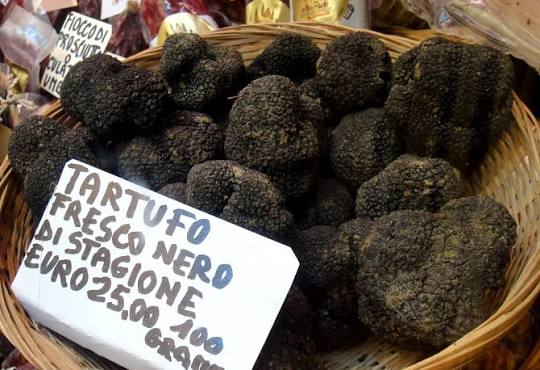
Montefalco’s Sagrantino harvest overlaps with the festival’s early weekends. That makes a two-track wine-and-oil itinerary easy to build, without much extra driving. Spoleto’s historic center rewards a full day on its own, festival or not. The towns along the Way of St. Francis sit close enough to the olive belt that a pilgrimage-minded traveler can fold both into one week. Truffle season is also underway across central Italy by early November, which opens the door to a short detour toward the Marche border for anyone chasing both products in one trip.
What I would skip
I would skip trying to cover all five weekends in one trip. The festival rewards depth over breadth. Pick one weekend, one or two base towns, and actually slow down inside a working mill. That beats a rushed circuit that hits six comuni and remembers none of them clearly. I would also skip buying oil at the very first mill, before you have anything to compare it against. The differences between subzones are real. Taste two or three mills before you commit to a bottle, and that bottle will mean more.
FAQ — Frantoi Aperti and Umbria’s olive season
What is Frantoi Aperti? Frantoi Aperti is Umbria’s annual oleotourism festival. It opens working olive mills, markets, guided tours, and themed dinners to the public. This happens each autumn, during the region’s active olive harvest and pressing season.
When is the best time to visit Frantoi Aperti in 2026? The 2026 edition runs October 17 to November 15, in five weekends. Early weekends often overlap with Montefalco’s Sagrantino harvest. Later weekends bring cooler, wetter weather and a quieter circuit.
Do I need to book mill visits or events in advance? Yes, for two things. The guided EVO&Art shuttle tours and the Friday Cene Oleocentriche dinners both need advance booking, since space is limited. Individual mill visits are usually more flexible. Still, call ahead during peak weekends.
How much does it cost to attend Frantoi Aperti? Town markets and most mill visits are typically free. Guided shuttle tours, themed dinners, and ticketed events like concerts or cycling routes carry their own separate fees. Confirm current pricing directly with each event, since costs are set locally and change year to year.
How much time should I plan for the festival? A single weekend gives a focused, satisfying visit to two or three towns. Many travelers plan three to four days around one chosen weekend, rather than trying to cover the full five-week span.
What should I pair a Frantoi Aperti trip with? Montefalco’s Sagrantino wine harvest overlaps with the festival’s early weekends. Spoleto’s historic center and the Way of St. Francis both sit on or beside the olive belt. Either makes an easy addition, without much extra travel.
What makes the Assisi–Spoleto olive belt different from other olive-growing regions in Italy? It was the first Italian site named to the FAO’s Globally Important Agricultural Heritage Systems program, back in 2018. The recognition went to its centuries-old terracing and water-management system. That system stabilizes steep hillsides and prevents erosion. It is engineering, not just scenery.
The takeaway
Frantoi Aperti is not a tasting road. Treating it like one undersells what is really on offer. This is a working harvest. It runs on infrastructure that has held a hillside together for a thousand years. And for five weekends, the people running both let you stand in the doorway and watch. Pick one weekend. Pick one part of the region. Go in October or November, ready for real autumn weather, not a stretched-out summer.
If you want more stories like this from an Italian insider’s perspective, explore more on Tastes & Wonders of Italy or subscribe to our YouTube channel for video dispatches from around the country.