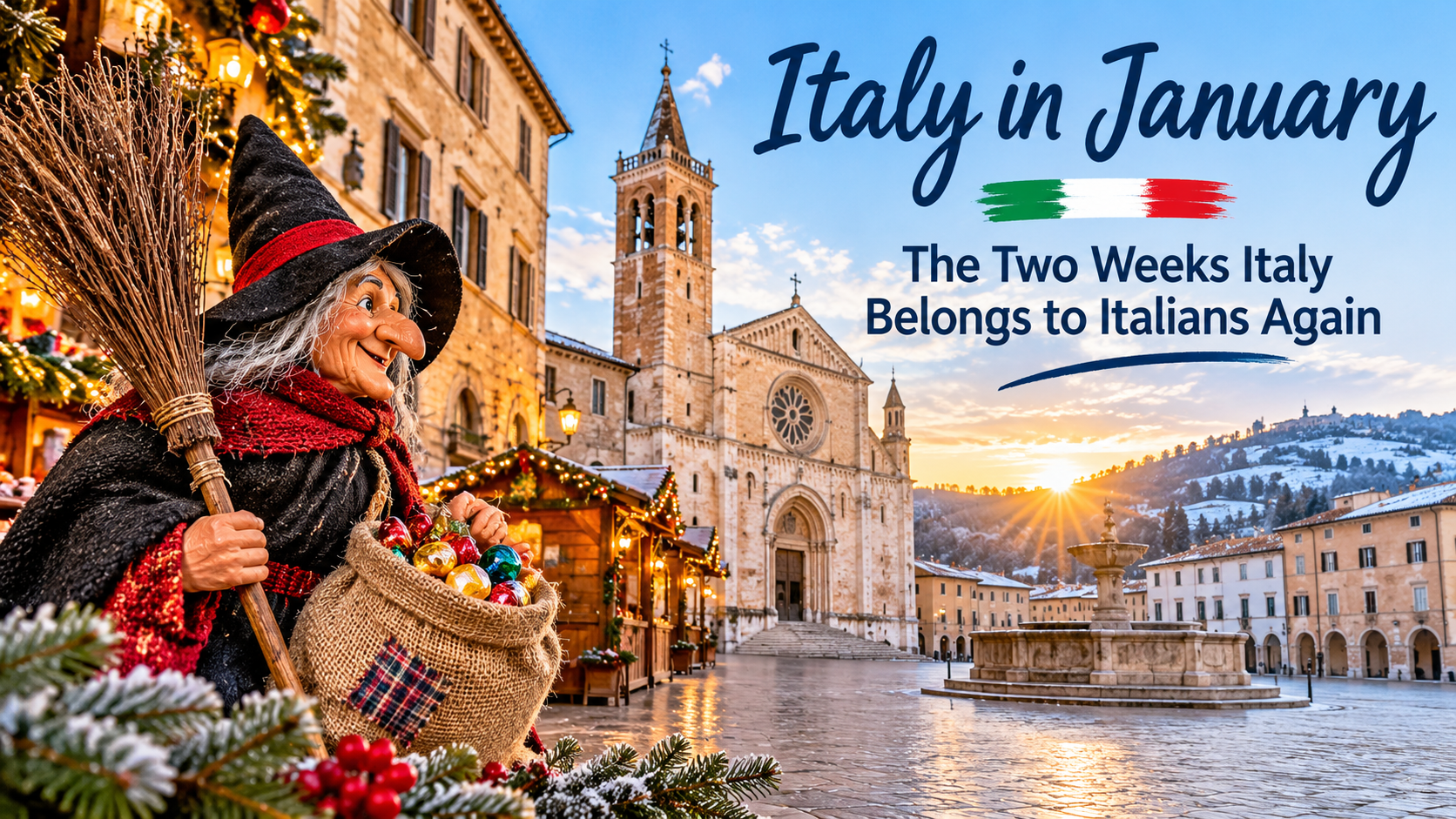
Italy in January: The Two Weeks Italy Belongs to Italians Again
Italy in January opens with a bang and ends in near silence. For the first six days, church bells, fireworks, and market stalls selling chimney-shaped candy keep the country in full holiday mode. Then, overnight, Italy empties out, and the quietest, cheapest stretch of the travel year begins.
Italy in January: The Short Answer
Italy in January is really two different months folded into one. The first six days still belong to the holidays, so churches stay decorated, prices stay high, and towns stay full. From January 7 onward, however, Italy becomes one of the emptiest and least expensive countries in Europe for a traveler who wants cities without crowds.
This guide explains where that split comes from, what the law says about heating in Italian buildings, and which towns reward a January trip to Italy. It also covers the winter sales, the last weeks of black truffle season, and a feast day that no American guidebook mentions. For context on the month before this one, read our guide to Italy in November.
The Epiphany Cliff
January 6 is Epifania, a national public holiday that closes offices, banks, and most shops across Italy. It also closes the story of the Befana, an old woman on a broomstick who, legend says, fills children’s stockings with candy or a lump of coal the night before. Expect nativity scenes still lit, church bells on their holiday schedule, and one last crowd of grandparents and grandchildren in every piazza.
The Christmas markets follow the same calendar. Bolzano’s market, the largest and best known of the Alpine season, has closed on the evening of January 6 for years running, with shorter hours on December 25 and a later opening on New Year’s Day. Smaller markets in Trento, Merano, and dozens of hill towns across Umbria and Le Marche keep the same rhythm. So does the general mood of the country: through January 6, Italy still looks and feels like Christmas.
Then comes the cliff. On January 7, the decorations come down in a single coordinated effort, and so does the tourist infrastructure built around the holidays. Market stalls disappear overnight. Many restaurants that stayed open through the break close for a week of deserved rest. Hotel rates drop, trains run empty, and museums that were booked solid on January 2 suddenly have same-day tickets.
For a traveler, this is the real promise of Italy in January: the same cities, the same art, and a fraction of the people. The trade-off is that a trip booked for January 4 and a trip booked for January 9 are, in practice, two different trips. Plan around the cliff, not through it.
Why the Buildings Feel Cold
By January, every one of Italy’s six climate zones is deep inside its legal heating season, so a traveler planning Italy in January does not face the start-date puzzle that complicates a November trip. A national decree still governs how a building may heat itself, sorting every municipality into zones from A to F by degree-days, a measure of how far the outdoor temperature falls below 20°C over the year (Presidential Decree 412 of August 26, 1993, article 9 and Annex A). What matters in January is not whether the heating is on, but how much heat the law allows, and how slowly an old building responds to it.
The law caps indoor temperature at 20°C, or 68°F, with a tolerance of two degrees (Presidential Decree 74 of April 16, 2013, articles 3 and 4). A room that feels cool at 68°F is therefore working exactly as intended, not broken. Central systems also run for a fixed number of hours a day rather than around the clock, so a building can feel colder in the early morning or late evening, even with the heating fully on.
Old construction adds a second delay. A stone wall sixty centimeters thick has enormous thermal mass, so it takes days to warm and days to cool. In my own work on building energy, I see the same pattern every January: a farmhouse that was cold in November stays cold well into the new year, because the walls never fully recovered their heat over the holidays. The bathroom is usually the worst room in the house, since tile and stone shed warmth fast and a towel rail rarely does more than take the edge off.
Before you book, ask the host four questions. Is the heating independent, meaning your own boiler, or central, meaning one system for the whole building? If central, how many hours a day does it run? Is there a second heat source, such as a wall unit? And is the bathroom heated at all? An independent boiler gives you control within the legal limits. A central system gives you almost none — the detail that decides whether a week of Italy in January feels like a vacation or a stress test.
What the Weather Actually Does
Averages flatten the picture, because Italy in January has at least four distinct climates running at once, a few hours apart by train. The figures below are long-term averages, rounded, so check the forecast before you pack.
The North: Fog and Cold
The Po Valley sits under nebbia, a low fog that can last for days around Milan, Turin, and Bologna. Daytime highs hover near 6°C, or 43°F, and nights drop close to freezing. Clear days are often the coldest, because fog actually traps some warmth near the ground.
The Center: Rain, With a Clear Spell
Rome and Florence stay wetter than cold, with highs around 12°C, or 54°F. However, January also brings some of the clearest skies of the year between rain systems, so a lucky week can mean bright light over empty piazzas. Waterproof shoes still matter more than a heavy coat.
The Apennines and Dolomites: Peak Snow
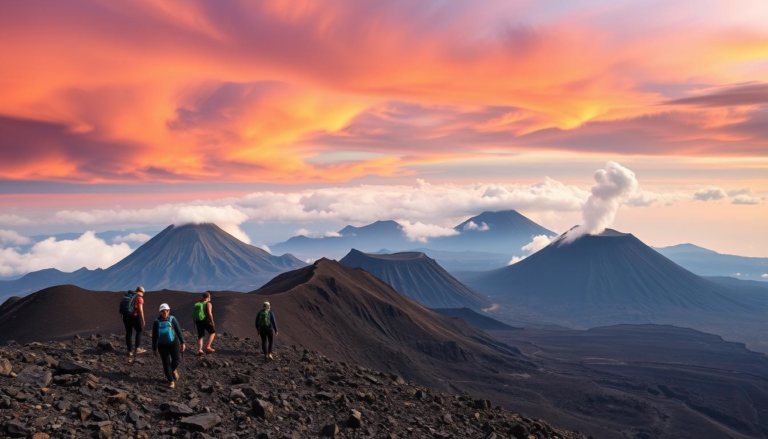
January is the heart of the ski season in the Sibillini, the Gran Sasso, and the Dolomites. Snow reaches the towns themselves at higher elevations, not just the summits, and mountain roads commonly require winter tires or chains. Our guide to the Sibillini Mountains covers one range most visitors skip entirely.
The South: Still Comfortable
Sicily and the far south stay mild by comparison, with Palermo’s highs near 15°C, or 59°F. The sea is too cold to swim, but the days suit walking, and outdoor lunches are still possible on a sunny afternoon.
Daylight: The Turn
The darkest point of the year falls just before Christmas, so by January the days are already growing, even if slowly. Sunset in Rome moves from about 4:50 p.m. in early January to past 5:15 p.m. by month’s end. It is a small change, but after the short days of December, every Italian notices it.
Where January Works, and Where It Does Not
Italy in January rewards cities of art and places with their own indoor pleasures. A note on links: some of the booking links below are affiliate links. If you book through one, I earn a small commission at no additional cost to you. Rome, Florence, and Bologna all suit the month, especially after January 6, when the galleries empty out and a skip-the-line ticket for the Vatican Museums becomes less about avoiding a line and more about avoiding a crowd. Florence’s smaller museums, like the Bargello, go from a timed-entry queue to a room you can have almost to yourself, especially with a reserved-entry ticket booked ahead.
Hill towns in Le Marche and Umbria work for a different reason: wood smoke, slow food, and almost no other visitors. Thermal spas are a third strong option, since January cold makes a hot spring feel better, not worse. The Maremma thermal springs, with a day pass to the Terme di Saturnia hot springs, are a good example, open and uncrowded through the coldest months.
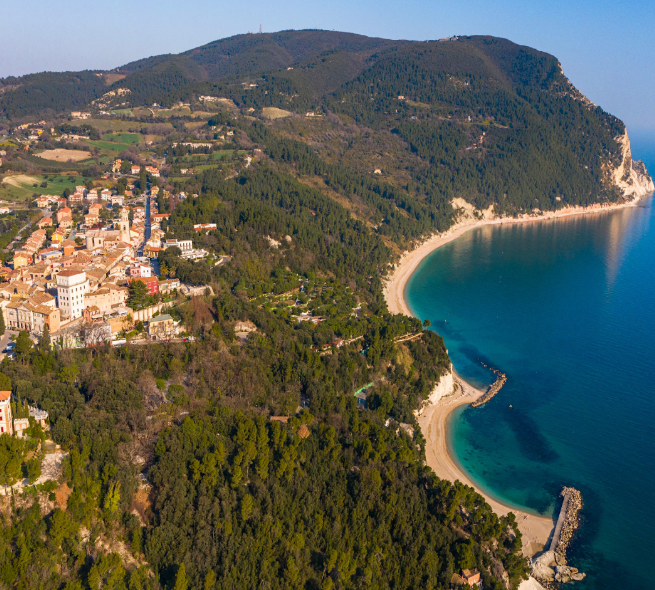
The coast tells a different story. Beach towns on the Adriatic and Tyrrhenian stay closed for the season, and small islands cut their ferry schedules further than they did even in November. Lake towns slow down too, with many hotels and restaurants shut until spring. So, if sun and open water are the goal, January in Italy is the wrong month, full stop.
Gardens and some archaeological parks also trim their hours or close sections outright in the cold. Always check a site’s official page for its January schedule before building a day around it.
The Winter Sales
Italian law allows shops only two official sale periods a year, one in summer and one in winter, with each region setting its own dates (see this official Piedmont regional circular on seasonal sales rules). By agreement among Italy’s regions, the winter sales begin on the first working day before the Epiphany, so the exact date shifts by a day or two each year and by municipality. In Trentino-Alto Adige, non-tourist towns typically start a week or so later than tourist resorts, which run on their own calendar.
In practice, that means the sales begin right around the Epiphany cliff described above and run for six to eight weeks, into February or March depending on the region. Because the exact calendar is only published close to the date, check your destination region’s official tourism or commerce site once you are within a month of travel, rather than trusting a date carried over from a previous year.
For the traveler, the sales matter less as a bargain hunt and more as a signal: once the stores along the main shopping streets flip their window displays, the holiday mood has officially ended. Italians shop the sales for clothing and shoes, not souvenirs, so the best finds are in city centers like Milan, Florence, and Rome — useful to know if your Italy in January itinerary includes a free afternoon for shopping.
Black Truffle Season
While the white truffle season that fills our guide to truffle season in Italy winds down by New Year, the black winter truffle, Tuber melanosporum, is only reaching its peak. Italian law sets its legal collection window from November 15 to March 15 (consolidated text of Law 752 of November 16, 1985, on truffle harvesting and trade), which puts all of January squarely inside the season.
Tuber melanosporum is darker, denser, and earthier than the white truffle, and it holds up to light cooking rather than only shaving raw. Umbria, the Marche, and Abruzzo produce most of Italy’s supply, concentrated around Norcia, Spoleto, and the hills near Acqualagna that our guide to buying real truffles already covers in detail.
January lacks the big public truffle fairs of autumn, but that is actually an advantage. Restaurants in truffle country still serve it fresh, at lower prices than during the November rush, and without the crowds that fill Alba or Acqualagna in peak season. A quiet trattoria lunch built around a January truffle dish, or a short truffle-hunting outing with lunch and wine in Umbria, is, in its own way, one of the best arguments for a January trip to Italy.
Sant’Antonio Abate, January 17
Few American guidebooks mention January 17, yet it is one of the most atmospheric nights of the Italian winter. The feast of Sant’Antonio Abate, patron saint of farm animals, falls on this date in towns across the country, from Lombardy to Puglia to Sardinia, where he is known locally as Sant’Antoni de su fogu, “Saint Anthony of the fire.”
The tradition centers on two rituals. On the evening of January 16 or the night of the 17th itself, towns light large communal bonfires, a custom rooted in an old folk legend recorded in Italo Calvino’s collected fairy tales, in which the saint tricks the devil out of a single spark of hell’s fire and brings it back to warm the earth. The next morning, priests bless farm and household animals outside the church, and owners line up with everything from dogs and cats to oxen and donkeys.
If a January trip to Italy brings you through a smaller town, ask locally whether a falo di Sant’Antonio is planned. It is unadvertised to outsiders and genuinely rural, which is exactly what makes it worth seeing.
What to Pack
Pack for Italy in January as cold and wet, not just cold. Bring a waterproof shell with a hood, a warm mid-layer in wool or fleece, and waterproof shoes with real tread. Cobblestones and wet stone church floors punish smooth soles fast.
A heavy parka is often too much once you are inside a heated restaurant or train, so layers beat a single giant coat. Add a scarf, gloves, and a wool hat, since wind off the sea or down from the mountains can cut through a light jacket in minutes.
If your apartment’s heating has limited hours, bring a light sweater to sleep in, just in case. A compact umbrella that survives wind, not a flimsy one, rounds out the list for any January trip to Italy.
Five Mistakes Americans Make in January
- Assuming the whole country looks like the Alps. Snow in the Dolomites does not mean snow in Rome or Naples. Check the forecast city by city before you pack for a January trip to Italy.
- Booking before January 6 for a bargain. Hotel rates and crowds through the Epiphany are closer to Christmas week than to the quiet stretch that follows. If low prices and empty museums are the goal, wait until January 7\.
- Expecting the Christmas markets to still be open. Most close on the evening of the Epiphany, without exception. A market trip planned for January 10 will find empty stalls and folded tables.
- Skipping the coast entirely without checking. A handful of southern towns and islands still function in January, just not the majority. Confirm ferry schedules directly rather than assuming the whole coastline is closed.
- Packing for cold instead of for cold and wet. A dry, heavy coat is less useful than a lighter waterproof layer. Rain, not snow, is the defining weather of Italy in January across most of the country.
Booking Notes: What I Would Actually Book for a January Trip
The Vatican Museums ticket is worth buying in advance, even in the quiet season. A skip-the-line ticket costs little more than standard admission, and it removes the one variable January doesn’t fix on its own: the museum still opens on a fixed schedule, and a sold-out morning slot right around the Epiphany can still catch you off guard.
The Bargello’s reserved-entry ticket is the better buy over a walk-up visit. The museum is small enough that a short wait at the door eats a disproportionate share of a visit, so paying a few extra dollars for a reserved-entry ticket is worth more here than at a larger museum where the galleries can absorb a crowd.
A Saturnia day pass only pays off if you’re already in the region. It is roughly a two-and-a-half-hour drive from Rome and over three from Florence, so a day pass to the hot springs works best as the anchor for a day already built around Tuscany, not a quick detour.
What I would skip: a long, multi-stop truffle tour booked site-unseen online. Several of the Umbria truffle experiences listed by outfitters right now are new enough to carry no reviews at all, which tells you the booking infrastructure around this product is still thin compared to the white truffle rush in the fall. A shorter, single-location outing with an established local hunter, booked once you’re already in the region and can ask your accommodation for a direct recommendation, is the safer bet in January.
FAQ — Italy in January
Timing and Weather
Is January a good time to visit Italy? Yes, especially after January 6, when crowds thin and prices drop. It is a poor month for beaches, islands, and long outdoor evenings, so plan around cities, hill towns, and indoor sights instead.
Is Italy very cold in January? It depends on where you go. Highs run from about 6°C in Milan to 15°C in Palermo, and indoor spaces can feel colder than outside, since heating runs on fixed daily hours even in January, the coldest month of the year.
What is closed in Italy in January? The Christmas markets close on the evening of January 6, and many beach towns and small islands stay shut through the month. Some restaurants also close for a short winter break right after the holidays.
Booking and Getting Around
Should I book before or after the Epiphany? After, if your goal is value and quiet. A trip to Italy in January that starts on the 7th or later avoids both holiday prices and holiday crowds.
Do I need a car for a January trip to Italy? Not in cities, where trains connect everything well. In hill towns and mountain areas, yes, and winter tires or chains may be required on signed roads.
What about the winter sales? They begin around the Epiphany and run six to eight weeks. Exact dates are set region by region each year, so check the official regional notice close to your travel dates rather than an old calendar.
The Takeaway: Why Italy in January Still Works
Italy in January runs on a hinge, not a straight line. For six days, it is still Christmas: lit naves, full piazzas, and the last crowds of the year. Then, on January 7, the country exhales, and a quieter, cheaper, more legible version of Italy takes over for the rest of the month.
Plan around that hinge. Book the first week if you want the holiday atmosphere and don’t mind the cost, and book any time after for empty museums, honest restaurant tables, and a shot at a falo di Sant’Antonio in some small, unannounced piazza.
Bring layers, not a single heavy coat. Ask about the heating before you pay. And remember that the cold, damp light of a January morning in Umbria or Le Marche is not a lesser version of Italy. It’s simply the version Italians get to themselves before the next wave of visitors arrives.
If you want to know who is writing this, start on the About page. Then explore more from Tastes & Wonders of Italy.