Top 7 Italian Wine Harvest Festivals Americans Should Book Early
By Mirco Vitellozzi — structural engineer, Le Marche, Italy
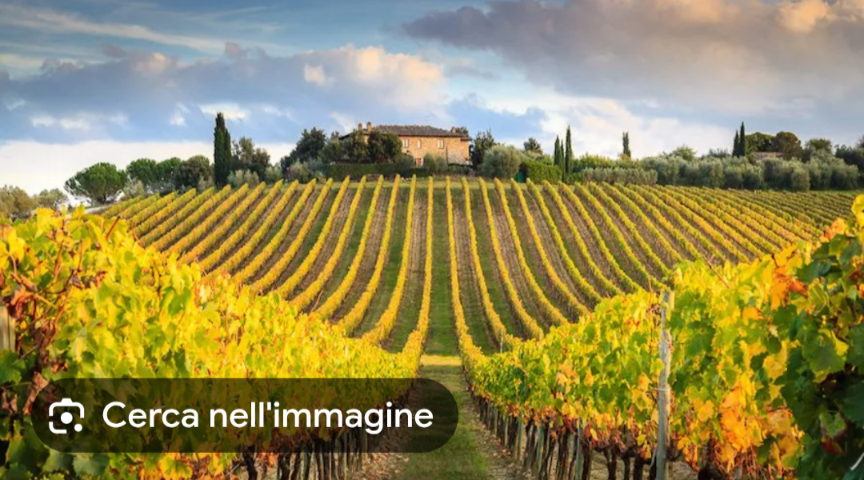
Italian wine harvest festivals follow one simple rhythm: harvest first, celebration after. Every year by late August, grape trucks start rattling down the narrow roads of the Castelli di Jesi before six in the morning. For weeks after, the whole valley smells faintly of crushed skins. Some of these events let you taste new wine straight from the cask. Only one lets you actually pick the grapes. This guide covers seven festivals worth planning a 2026 trip around, what each one really involves, and exactly when you need to book ahead.
Italian wine harvest festivals run from late August through November. Each one is timed to the grape harvest of its own region, not to a single national date. Most, like the sagre dell’uva (grape festivals) of Tuscany, Lazio, and the Marche, are one- to five-day town celebrations. Expect parades, food stalls, and free entry. A smaller number are structured wine-tourism programs instead. There, you book a specific cellar and can join the harvest itself. Knowing which type an event is tells you how far ahead to plan.
A note on links: some of the booking links in this article are affiliate links. If you book through them, I earn a small commission at no additional cost to you. I picked each one the way I’d recommend it to a friend, not because it paid the most — and where I couldn’t find an activity I’d actually vouch for, I said so instead of linking one anyway.
The Seven at a Glance
Here is the full lineup before the details. Dates run in calendar order, not by rank. The honest answer to “which is best” depends on what you actually want out of the trip.
- Cantine Aperte in Vendemmia (nationwide) — August 24–October 25 — the only participatory program
- Settembre Astigiano, Asti (Piedmont) — September 6–20 — three linked events in one week
- Impruneta Festa dell’Uva (Tuscany) — September 27 — the centennial edition
- Cupramontana Sagra dell’Uva (Marche) — October 1–4 — the oldest sagra in the region
- Bardolino Festa dell’Uva e del Vino (Veneto) — October 1–5 — the biggest crowd, on the lake
- Marino Sagra dell’Uva (Lazio) — October 4 — the wine-fountain spectacle
- Serrapetrona Appassimenti Aperti (Marche) — two central Sundays of November — the quiet, technical finale
The One Distinction That Changes What You Book
Most Italian wine harvest festivals do not put a basket in your hand. They are civic parties, held after the grapes are already fermenting somewhere else. That is not a flaw. It is what a sagra — a town festival built around one local product — has always been: food, music, and a parade, not farm labor.
Festivals That Celebrate, Not Harvest
Cupramontana, Impruneta, Marino, and Bardolino all fall into this category. By the time the town square fills with stalls, the grapes are long gone from the vines. What you get instead is spectacle: allegorical floats, folk bands, fountains running with wine, and hill towns at their loudest and fullest.
The One Program Where You Actually Pick Grapes
Only Cantine Aperte in Vendemmia (Open Cellars at Harvest Time) puts you in the vineyard. It runs through individual wineries, not through a town committee. So booking works differently too: you reserve directly with the cellar, not with a comune (town hall).
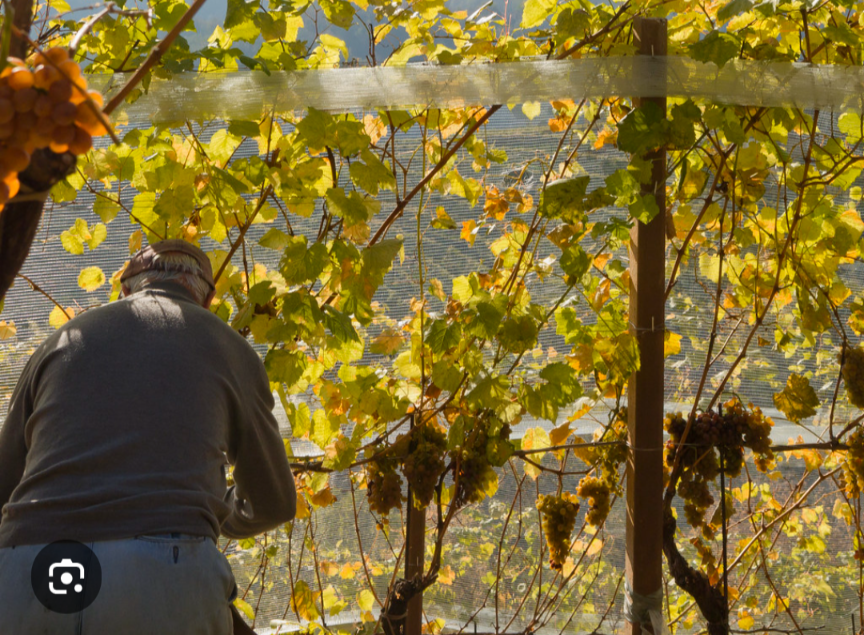
Cantine Aperte in Vendemmia: The Only Way to Actually Harvest
The Movimento Turismo del Vino is a nonprofit founded in 1993. It organizes Cantine Aperte in Vendemmia across nearly 1,000 member wineries nationwide. In 2026, the program runs from August 24 through October 25 — the longest window of any event on this list.
Every cellar sets its own calendar, so the experience varies from stop to stop. Some wineries let you help with the actual picking. Others focus on guided tastings, blind-tasting sessions, or walks between the rows. A few add activities for kids.
Booking is not optional here, and that is the whole point. Each date happens at one small producer, not in a town square, so spaces fill fast. Reserve directly through the winery’s own page, not through a general ticketing site. Confirm the current program on the Movimento Turismo del Vino site before you plan around it.
Most regional chapters also run sister events later in the season, like Cantine Aperte a San Martino. That one celebrates the year’s first vino novello (new wine) in November. If your travel dates are flexible, it is worth checking too.
Settembre Astigiano, Asti: Three Events, One Trip
Asti packs three separate traditions into ten days every September. Treating them as one trip makes sense, since they share the same streets and the same week.
Douja d’Or: Ten Days of Tasting
Douja d’Or is Asti’s national wine competition, running September 11–20, 2026. Historic Piazza San Secondo becomes what organizers call the Salotto del Vino (wine living room). Expect tasting halls, masterclasses, and what is billed as Piedmont’s largest wine shop under one roof. Entry requires a tasting pass.
The Festival delle Sagre: Piedmont’s Biggest Open-Air Restaurant
The second weekend of September brings the Festival delle Sagre — September 12 and 13, 2026. More than 40 Pro Loco associations set up stalls in Piazza Campo del Palio. The crowd regularly tops 200,000 people over the weekend. A Sunday morning parade adds more than 3,000 people in period costume through the streets.
The Palio di Asti: A Medieval Horse Race
Asti has run its bareback horse race since 1275. That makes it one of Italy’s oldest documented palios. Since 2018, the race has fallen on the first Sunday of September. Confirm the exact 2026 date on the official Palio di Asti site before you book travel around it.
All three events sit inside the UNESCO-listed Langhe-Roero-Monferrato hills. The same countryside leads straight into white truffle season around Alba. If your trip runs into October, it is worth combining the two — I cover truffle season across Italy separately.
Asti itself has a rail station, with frequent connections to Turin about 40 minutes away. Turin’s airport handles most international arrivals for the region. Base yourself in Asti for the week rather than commuting in from Turin. The Festival delle Sagre alone runs late enough on Saturday night that a return trip afterward is impractical. Expect Piedmontese country cooking at the food stalls — agnolotti and bollito misto — poured alongside Barbera and Barbera d’Asti from the Douja d’Or selections. If you’d rather skip the crowds for something calmer, a small vineyard tour and tasting with a fourth-generation Monferrato winemaker sits right in the middle of the same hills.
Impruneta’s Hundredth Grape Festival
Impruneta sits just south of Florence. It holds its Festa dell’Uva (Grape Festival) on Sunday, September 27, 2026, and this year’s edition is the hundredth.
Four historic rioni (neighborhoods) compete for the win: Fornaci, Pallò, Sant’Antonio, and Sante Marie. Each builds its own allegorical float, with costumes and choreographed performances in Piazza Buondelmonti. The town’s own sources date the tradition to 1926, four years ahead of Italy’s national grape-festival celebration in 1930. Visit Tuscany’s tourism board lists 1928 instead. Neither source resolves the gap, so treat the centennial framing as the town’s own claim, not a settled fact.
What makes Impruneta the one true test of “book early” is simple: tickets are already on sale. Grandstand seats cost €30. Standing access to the parade route costs €10. Both have been available since mid-August through TicketOne, or in person at the Festa dell’Uva museum on Piazza Buondelmonti. For a hundredth edition, they are likely to sell out well before the date.
Impruneta has no train station of its own. Most visitors base themselves in Florence and come out for the day, by bus or short taxi ride. A lead-up calendar of neighborhood dinners and events runs from late August through the festival Sunday. Arrive a week early, and you will catch more than just the parade. If you want to see the harvest itself rather than just the festival, the Chianti wine day out of Florence, through San Gimignano and Siena, puts you in the vineyards that surround Impruneta on every side.
Cupramontana: The Marche’s Oldest Sagra dell’Uva
Cupramontana sits at 505 meters in the hills above Jesi, right in the middle of the Verdicchio dei Castelli di Jesi DOCG zone. Its Sagra dell’Uva has run since 1928, making it the oldest grape festival in the Marche. The 2026 edition runs Thursday, October 1, through Sunday, October 4.
Saturday afternoon brings the Palio della Pigiatura — a barefoot grape-pressing competition between teams from the surrounding wine towns. Sunday’s allegorical float parade through Piazza Cavour is the festival’s real centerpiece. It is followed by folk dancing (the saltarello) and stalls known locally as capanne — huts built from branches and ivy in the old style.
For the wine itself, the town’s Fonti del Verdicchio (Verdicchio fountains) pour the DOCG white that put Cupramontana on the map. I have written separately about why Verdicchio holds its own against better-known European whites like Sancerre, if you want the fuller story before you go.
The nearest airport is Ancona Falconara, about 35 minutes away by car. There is no direct train into Cupramontana itself. The closer rail option is Jesi, followed by a short taxi or local bus ride into the hills. Renting a car in Ancona is the simplest route if you plan to combine this festival with the wider Castelli di Jesi wine country.
Marino: Where the Fountains Run With Wine
Marino sits in the Castelli Romani hills, twenty kilometers southeast of Rome. It holds its Sagra dell’Uva on the first Sunday of October — October 4, 2026. Only that Sunday is confirmed as of this writing. Check the comune’s official site closer to the date for the full multi-day program.
The signature moment is the “miracle of the fountain.” The Fontana dei Quattro Mori in Piazza Matteotti runs with the town’s DOC white wine instead of water. The tradition commemorates Marcantonio Colonna, a local nobleman who fought at the Battle of Lepanto in 1571. Sources disagree on exactly how old it is. The town government dates the hundredth edition to 2024. Other accounts place the first festival at either 1924 or 1925.
What is not in dispute is the crowd. This is one of the most attended sagre in Lazio. If you are traveling with children, keep them well clear of the fountain during the peak hour.
Marino sits inside Rome’s regional rail network. Trains from Roma Termini reach Marino Laziale in well under an hour. That makes this the easiest of all seven festivals to do as a day trip — no car, no advance booking. Expect porchetta and roasted chestnuts from the food stalls, alongside the Marino DOC white the fountain itself pours. For a closer look at where that wine actually comes from, a private half-day tour of the Castelli Romani wine country, with a stop at a family winery that has worked the same hills since 1712, runs from Rome year-round.
Bardolino: The Grape Festival on the Lake
Bardolino sits on the eastern shore of Lake Garda. It runs its Festa dell’Uva e del Vino (Grape and Wine Festival) from October 1 through 5, 2026, along the lakefront between Punta Mirabello and Punta Cornicello. The festival has run since 1929 and draws more than 100,000 visitors most years.
Entry is free; you pay per tasting at each stand. The wines on pour are Bardolino Classico and the pale Bardolino Chiaretto, both built on Corvina, Rondinella, and Molinara grapes. Evening concerts, a folk band parade, and guided tastings from the local wine consortium round out the schedule.
The nearest airport is Verona Villafranca, about 25 kilometers away. Verona’s main train station connects easily to Milan and Venice, if you want to bookend the festival with a city stop. Lakefront towns like Bardolino fill up fast in early October, since the weather is still warm enough for the beach crowd to overlap with the wine crowd. Book accommodation on the lake itself well ahead, or stay in Verona and take a bus or ferry out for the day. For a quieter version of the same wine country, a short cellar visit and tasting walkable from Bardolino’s own lakefront covers the harvest-to-bottle process the festival itself skips over.
Serrapetrona: The Marche’s Quiet Finale
Serrapetrona is a small hill town in the province of Macerata. It holds Appassimenti Aperti (Open Drying Rooms) on the two central Sundays of November. The exact 2026 dates were not yet published as of this writing, so check appassimentiaperti.it before you plan around it. In 2025, the event ran November 9 and 16.
This is the quietest event on the list, and the most technical. Serrapetrona is the only place in Italy that produces Vernaccia di Serrapetrona DOCG. It is a sparkling red made through three separate fermentations. The last comes from grapes deliberately dried after harvest.
As a structural engineer, I find the drying rooms themselves more interesting than the wine. The appassimenti need constant airflow and controlled humidity. The floors above them carry the weight of grape clusters hanging or stacked in crates for weeks at a time. That requirement is why these rooms look the way they do, in houses built the way they are.
Entry is free and needs no reservation. Free shuttles run to the drying rooms starting at 2 p.m. If Verdicchio interests you more than Vernaccia, the Matelica wine roads sit less than an hour away.
There is no rail line to Serrapetrona. The nearest hub is Macerata, about 35 minutes away by car, which also makes a reasonable base for the night. By November, this corner of the Marche is genuinely quiet. Plan on a rental car and a slower pace than any of the September or October festivals on this list.
Booking Notes: What I Would Actually Reserve
For the Langhe and Monferrato around Asti, a small, family-run vineyard visit beats a big bus tour here. The one I link above is hosted by the same fourth-generation family every time, in the middle of the UNESCO hills the festival itself sits inside.
For Castelli Romani near Marino, go private if the budget allows it. Frascati wine country is a maze of small roads with no useful public transit between wineries, and a private driver turns a frustrating afternoon into an easy one.
For Lake Garda near Bardolino, the short walkable cellar visit is worth it precisely because it is short. You are there for the festival, not for a full day of wine touring, and ninety minutes fits around the parade schedule without eating your evening.
What I would skip: a hands-on grape-stomping-and-lunch package near San Gimignano that I came across while researching this piece, priced at roughly $500 a person. It promises exactly what this article is about — picking the grapes yourself — and the itinerary reads well. But at the time of writing it is a brand-new listing with zero reviews on GetYourGuide. That is not proof it is bad. It is simply not proof of anything yet, at five times the price of the alternatives above. I would rather point you to a well-reviewed wine-country day near the same towns and let that harvest experience earn a track record first.
On the Marche: I did not link anything for Cupramontana or Serrapetrona. The inventory that exists there on GetYourGuide right now is thin — a handful of listings with only a few reviews each, nothing close to the volume behind the links above. Where I cannot find something I would send a friend to with confidence, I would rather send you to the Fonti del Verdicchio and let a local pour you a glass, which costs nothing and answers to no algorithm.
What “Book Early” Actually Means
“Book early” is standard advice for Italian festivals. But it means different things depending on where you are going.
You genuinely need a reservation months out for three things. First, a hotel room inside Impruneta itself, since the town is small and fills up fast. Second, a grandstand seat for the centennial parade. Third, a specific harvest slot through Cantine Aperte in Vendemmia.
You need almost no advance planning at all for Marino, Cupramontana, or Serrapetrona. Entry is free. There is no ticket to buy. You simply show up.
The real bottleneck at every hill-town festival is not the ticket. It is the town itself. Historic centers like Cupramontana and Impruneta were built for foot traffic and mule carts, not cars. Parking sits on the outskirts, and the walk in is often uphill on cobblestone. Budget extra time for that walk, especially if anyone in your group has mobility concerns.
One more practical note, since these are wine festivals after all: if you are driving between towns, designate a driver for the day, or base yourself somewhere with train access. Italy enforces strict blood-alcohol limits behind the wheel.
Why Two of These Seven Are in the Marche
Cupramontana and Serrapetrona are also the two festivals on this list where you will spend the least and see the most. Entry is free at both. The crowds are a fraction of Bardolino’s or Impruneta’s. And the wine is one you likely have not tasted before.
That imbalance is not an accident. The Marche remains one of the least-covered wine regions in English-language travel writing, despite producing two DOCG wines within an hour of each other. If you want to see how the region’s food festivals fit together beyond wine, I have mapped the wider sagre calendar of the Marche here.
FAQ: Italian Wine Harvest Festivals
When is the grape harvest season in Italy?
Most regions harvest between late August and mid-October. It depends on the grape variety and the altitude of the vineyard. Early-ripening whites like Verdicchio often come in first. Late reds, and grapes destined for drying like Serrapetrona’s Vernaccia Nera, are picked into October and processed through November.
Can I actually pick grapes at an Italian wine harvest festival?
Only through a program like Cantine Aperte in Vendemmia, which runs at individual wineries. Most sagre dell’uva celebrate a harvest that already happened. They do not involve hands-on picking.
Which is the oldest Italian wine harvest festival?
Sources disagree. Cupramontana’s Sagra dell’Uva dates to 1928 and is the oldest in the Marche. Marino and Impruneta both claim roots in the 1920s as well, but their exact founding years are contested even by their own organizers.
How much does it cost to attend?
Most sagre dell’uva have free entry. You pay only for food, drinks, and individual tastings at each stand. Impruneta’s centennial parade is the exception this year, with grandstand seats at €30 and standing access at €10.
Do I need a car to visit these festivals?
A car helps for Cupramontana and Serrapetrona, both in inland hill country with limited public transit. Marino, Bardolino, and Asti are all reachable by train from a major city — Rome, Verona, and Turin, respectively.
What is the best first Italian wine harvest festival for a first-time visitor?
Bardolino or Impruneta offer the easiest logistics. Both sit near well-connected cities. Both draw large and lively crowds. Neither requires advance booking for basic entry — though Impruneta’s centennial tickets are the exception this year.
Are these festivals suitable for children?
Most are family events, built around food stalls and parades. The one exception to watch is Marino, where the crowd around the wine fountain gets dense at peak hour. Keep young children close during that specific moment.
The Takeaway
Seven festivals, one real distinction. Almost all of them celebrate a harvest someone else already brought in. Only one lets you bring it in yourself. Decide which trip you actually want before you decide which weekend to book.
If you enjoyed this level of ground-level detail, there is more of it across Tastes & Wonders of Italy, including the rest of the Marche wine cluster linked above.